TV series
The Life of Birds
Overview
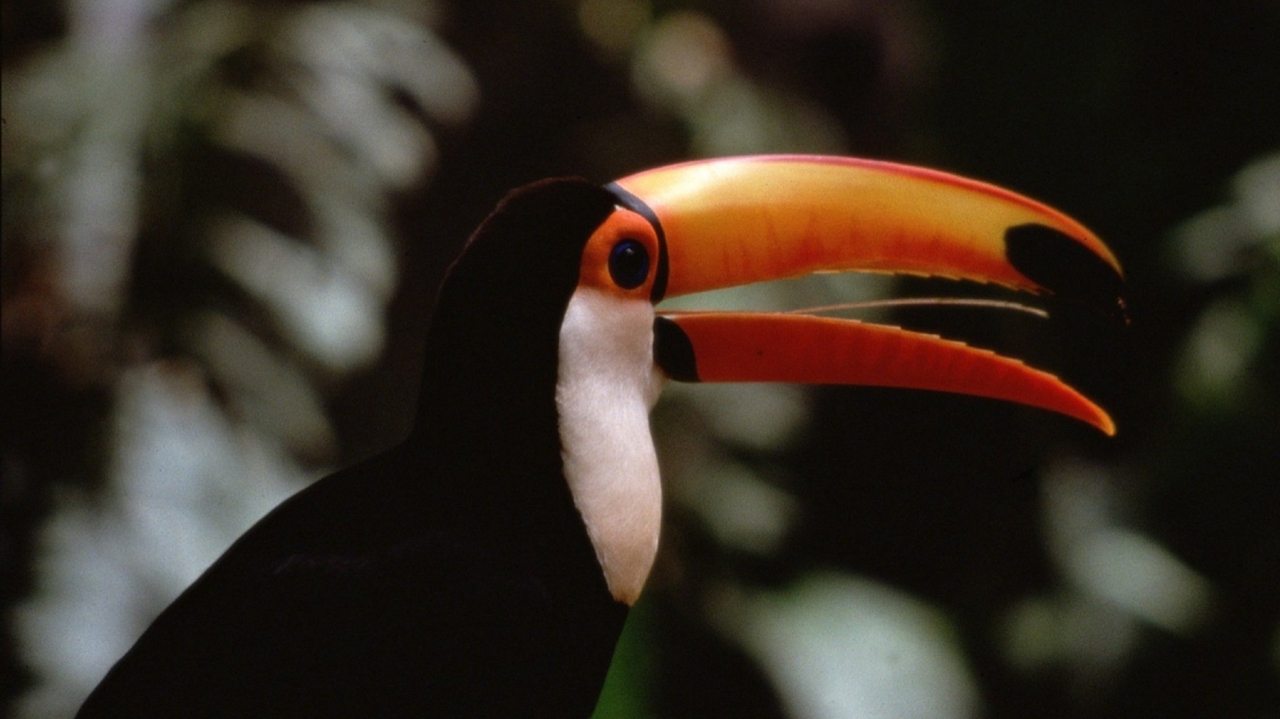
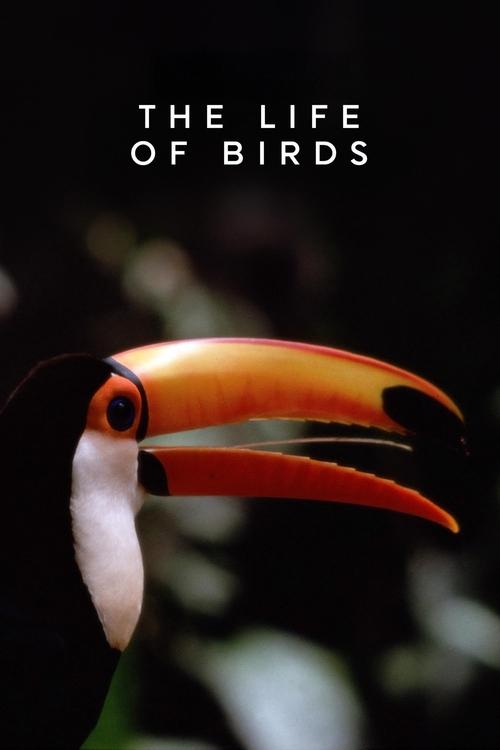
In the documentary series produced by the BBC, The Life of Birds, Sir David Attenborough unveils a new investigation into the behaviour of birds, perfectly adapted animals that conquer the air. This ten-part series reveals the secret of the birds' great success, their remarkable strategies for finding food, their complex social systems, and their ingenious and often bizarre ways of mating and breeding. From the high speed of large airborne hunters to long distance migrations or the bright colors of nectar feeding hummingbirds, this is the ultimate bird series that every ornithologist should not miss.
Details
- First air date
- 1998-10-21
- Status
- Ended
- Seasons
- 1 season
- Episodes
- 10 episodes
- Genres
- Documentary
- Network
- BBC One
- Production
- BBC Studios Natural History Unit
- Country
- GB
- Original language
- EN
Cast
- David Attenborough as Self - Narrator (voice)
Creators and crew
- Michael Salisbury - Executive Producer
- Michael Salisbury - Producer
- Miles Barton - Producer
- Peter Bassett - Producer
- Fergus Beeley - Producer
- Nigel Marven - Producer
Episodes
 Episode 1: To Fly or Not to Fly?
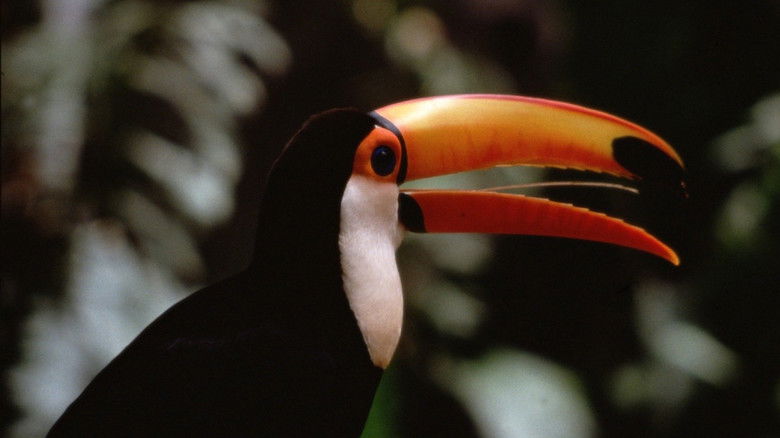
The first episode looks at how birds first took to the skies in the wake of the insects. It begins in Mexico, where Attenborough observes bats being outmaneuvered by a red-tailed hawk.
Episode 1: To Fly or Not to Fly?
The first episode looks at how birds first took to the skies in the wake of the insects. It begins in Mexico, where Attenborough observes bats being outmaneuvered by a red-tailed hawk.
 Episode 2: The Mastery of Flight
The second programme deals with the mechanics of flight. Getting into the air is by far the most exhausting of a bird's activities, and Attenborough observes shearwaters in Japan that have taken to climbing trees to give them a good jumping-off point.
Episode 2: The Mastery of Flight
The second programme deals with the mechanics of flight. Getting into the air is by far the most exhausting of a bird's activities, and Attenborough observes shearwaters in Japan that have taken to climbing trees to give them a good jumping-off point.
 Episode 3: The Insatiable Appetite
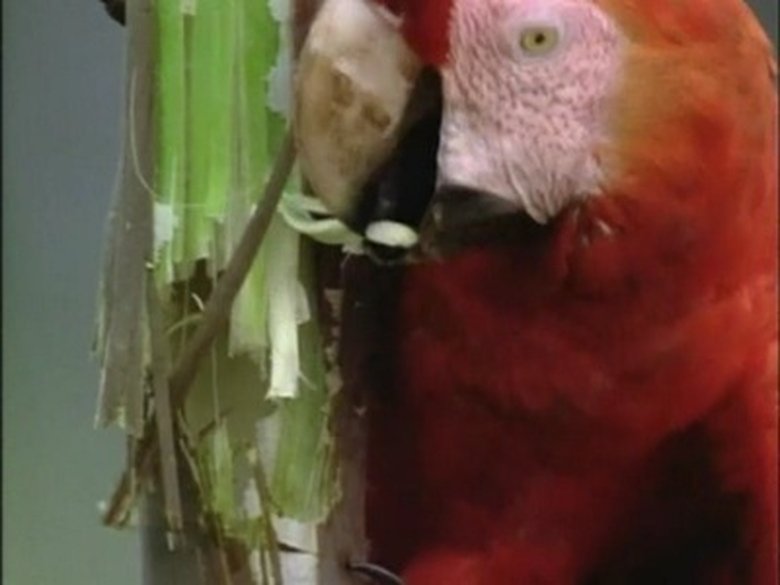
A look at the constant need to feed necessitated by the demands of flight in species from sap suckers and crows, to robins and geese.
Episode 3: The Insatiable Appetite
A look at the constant need to feed necessitated by the demands of flight in species from sap suckers and crows, to robins and geese.
 Episode 4: Meat-Eaters
This epsiode looks at those birds that have become strictlt meat eaters from eagles and hawks to owls and vultures.
Episode 4: Meat-Eaters
This epsiode looks at those birds that have become strictlt meat eaters from eagles and hawks to owls and vultures.
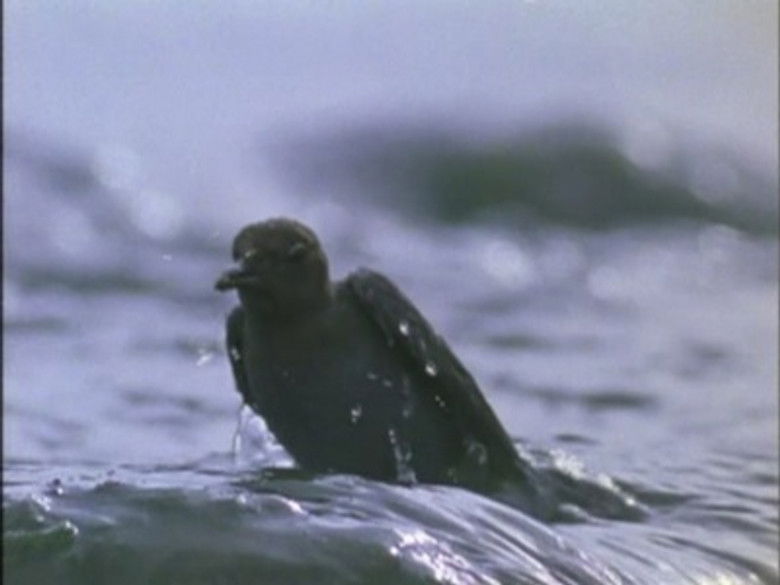 Episode 5: Fishing for a Living
A look at those birds that look to fishing as their main food source. From gulls and ducks to cormorants and cranes.
Episode 5: Fishing for a Living
A look at those birds that look to fishing as their main food source. From gulls and ducks to cormorants and cranes.
 Episode 6: Signals and Songs
A look at the way birds communicate. The program shows us how calls of warning can unite a community of birds against a larger predator and how other calls may be used to attract mates.
Episode 6: Signals and Songs
A look at the way birds communicate. The program shows us how calls of warning can unite a community of birds against a larger predator and how other calls may be used to attract mates.
 Episode 7: Finding Partners
A look at how birds attract and select mates. The survey ranges from common birds such as the sparrow to the more exotic frigate birds, and Jamaican hummingbirds. Other segments concentrate on the dancing associated with the courtship of grebes and the artistic collections of bower birds.
Episode 7: Finding Partners
A look at how birds attract and select mates. The survey ranges from common birds such as the sparrow to the more exotic frigate birds, and Jamaican hummingbirds. Other segments concentrate on the dancing associated with the courtship of grebes and the artistic collections of bower birds.
 Episode 8: The Demands of the Egg
A look at eggs and what birds go through to produce and protect them. This epsiode ranges from the mating flights to fledging of their offspring. Species examined include frigate birds and toucans as well as weaver birds and cuckoos.
Episode 8: The Demands of the Egg
A look at eggs and what birds go through to produce and protect them. This epsiode ranges from the mating flights to fledging of their offspring. Species examined include frigate birds and toucans as well as weaver birds and cuckoos.
 Episode 9: The Problems of Parenthood
This episode looks at the problems birds face in raising their young. It ranges from parrots who are very active parents to cuckoos who are famous for foisting the job off on others.
Episode 9: The Problems of Parenthood
This episode looks at the problems birds face in raising their young. It ranges from parrots who are very active parents to cuckoos who are famous for foisting the job off on others.
 Episode 10: The Limits of Endurance
A look at how birds deal with hostile environments and with people. The episode ranges from crows in Japan that use traffic to crack nuts to penguins who never see a person but make long treks through frigid wastes.
Episode 10: The Limits of Endurance
A look at how birds deal with hostile environments and with people. The episode ranges from crows in Japan that use traffic to crack nuts to penguins who never see a person but make long treks through frigid wastes.
More like this
 Natural World
 is a nature documentary television series broadcast annually on BBC Two and regarded by the BBC as its flagship natural history brand. It is currently the longest-running series in its genre on British television, with more than 400 episodes broadcast since its inception in 1983.
Natural World is produced by the BBC Natural History Unit in Bristol, but individual programmes can be in-house productions, collaborative productions with other broadcasters or films made and distributed by independent production companies and purchased by the BBC. Natural World programmes are often broadcast as PBS Nature episodes in the USA. Since 2008, most Natural World programmes have been shot and broadcast in high definition.
Natural World
Natural World is a nature documentary television series broadcast annually on BBC Two and regarded by the BBC as its flagship natural history brand. It is currently the longest-running series in its genre on British television, with more than 400 episodes broadcast since its inception in 1983.
Natural World is produced by the BBC Natural History Unit in Bristol, but individual programmes can be in-house productions, collaborative productions with other broadcasters or films made and distributed by independent production companies and purchased by the BBC. Natural World programmes are often broadcast as PBS Nature episodes in the USA. Since 2008, most Natural World programmes have been shot and broadcast in high definition.
 Nature
Consistently stunning documentaries transport viewers to far-flung locations ranging from the torrid African plains to the chilly splendours of icy Antarctica. The show's primary focus is on animals and ecosystems around the world. A comic book based on the show, meant to be used an as educational tool for kids, was briefly distributed to museums and schools at no cost in the mid-2000s.
Nature
Consistently stunning documentaries transport viewers to far-flung locations ranging from the torrid African plains to the chilly splendours of icy Antarctica. The show's primary focus is on animals and ecosystems around the world. A comic book based on the show, meant to be used an as educational tool for kids, was briefly distributed to museums and schools at no cost in the mid-2000s.
 Planet Earth
David Attenborough celebrates the amazing variety of the natural world in this epic documentary series, filmed over four years across 64 different countries.
Planet Earth
David Attenborough celebrates the amazing variety of the natural world in this epic documentary series, filmed over four years across 64 different countries.
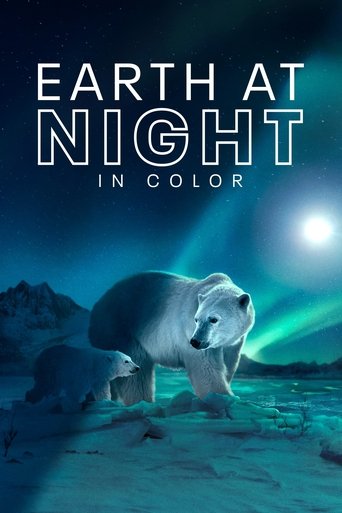 Earth at Night in Colour
Filmed across six continents, this docuseries uses cutting-edge camera technology to capture animals' nocturnal lives, revealing new behaviours filmed in full color like never before.
Earth at Night in Colour
Filmed across six continents, this docuseries uses cutting-edge camera technology to capture animals' nocturnal lives, revealing new behaviours filmed in full color like never before.
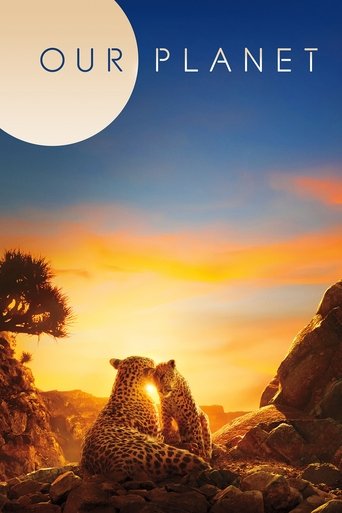 Our Planet
Experience our planet's natural beauty and examine how climate change impacts all living creatures in this ambitious documentary of spectacular scope.
Our Planet
Experience our planet's natural beauty and examine how climate change impacts all living creatures in this ambitious documentary of spectacular scope.
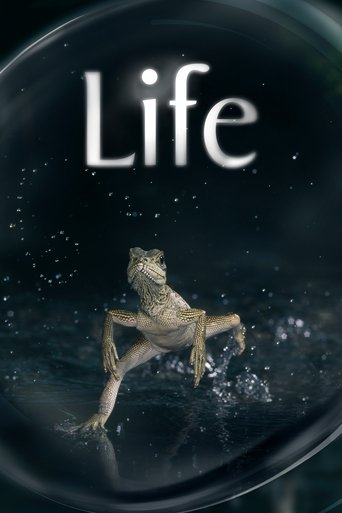 Life
David Attenborough looks at the extraordinary ends to which animals and plants go in order to survive. Featuring epic spectacles, amazing TV firsts and examples of new wildlife behaviour.
Life
David Attenborough looks at the extraordinary ends to which animals and plants go in order to survive. Featuring epic spectacles, amazing TV firsts and examples of new wildlife behaviour.
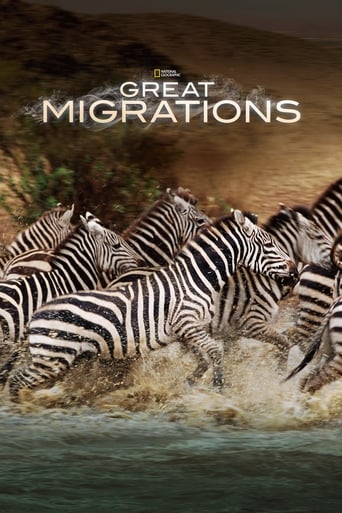 Great Migrations
Shot from land and air, in trees and cliff-blinds, on ice floes and underwater, this documentary tells the powerful stories of many of the planet's species and their movements, while revealing new scientific insights with breathtaking high-definition clarity and emotional impact. The beauty of these stories is underscored by a new focus into these species; fragile existence and their life-and-death quest for survival in an ever-changing world.
Great Migrations
Shot from land and air, in trees and cliff-blinds, on ice floes and underwater, this documentary tells the powerful stories of many of the planet's species and their movements, while revealing new scientific insights with breathtaking high-definition clarity and emotional impact. The beauty of these stories is underscored by a new focus into these species; fragile existence and their life-and-death quest for survival in an ever-changing world.
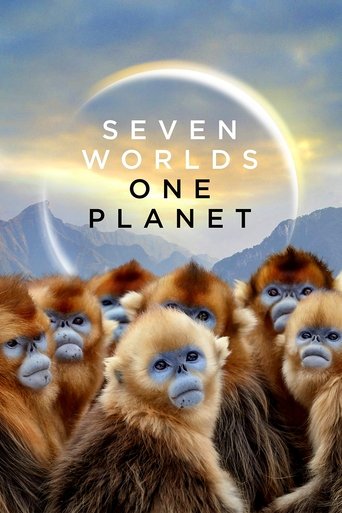 Seven Worlds, One Planet
Millions of years ago, incredible forces ripped apart the Earth’s crust creating seven extraordinary continents. This documentary series reveals how each distinct continent has shaped the unique animal life found there.
Seven Worlds, One Planet
Millions of years ago, incredible forces ripped apart the Earth’s crust creating seven extraordinary continents. This documentary series reveals how each distinct continent has shaped the unique animal life found there.
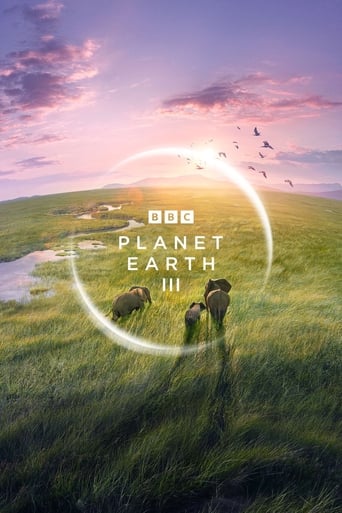 Planet Earth III
Journeying to the far reaches of our planet, this eight part series follows some of the world's most amazing species, telling extraordinary stories that are dramatic, thrilling, funny and sometimes heart-breaking, but always full of hope.
Planet Earth III
Journeying to the far reaches of our planet, this eight part series follows some of the world's most amazing species, telling extraordinary stories that are dramatic, thrilling, funny and sometimes heart-breaking, but always full of hope.
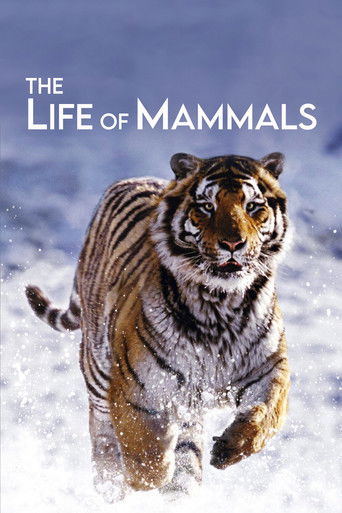 The Life of Mammals
David Attenborough presents a nature documentary series looking at why mammals are the most successful creatures on the planet.
The Life of Mammals
David Attenborough presents a nature documentary series looking at why mammals are the most successful creatures on the planet.