
TV series
Great Migrations
Overview
Shot from land and air, in trees and cliff-blinds, on ice floes and underwater, this documentary tells the powerful stories of many of the planet's species and their movements, while revealing new scientific insights with breathtaking high-definition clarity and emotional impact. The beauty of these stories is underscored by a new focus into these species; fragile existence and their life-and-death quest for survival in an ever-changing world.
Details
- First air date
- 2010-11-07
- Status
- Ended
- Seasons
- 1 season
- Episodes
- 7 episodes
- Genres
- Documentary
- Network
- National Geographic
- Production
- National Geographic Channels International, National Geographic
- Country
- US
- Original language
- EN
Cast
- Alec Baldwin as Self - Narrator (voice)
- Vincent Cassel
- Thomas Fritsch
- Peter Coyote
- James Byrnes
- Rick Rosenthal as Self
Episodes
 Episode 1: Born to Move
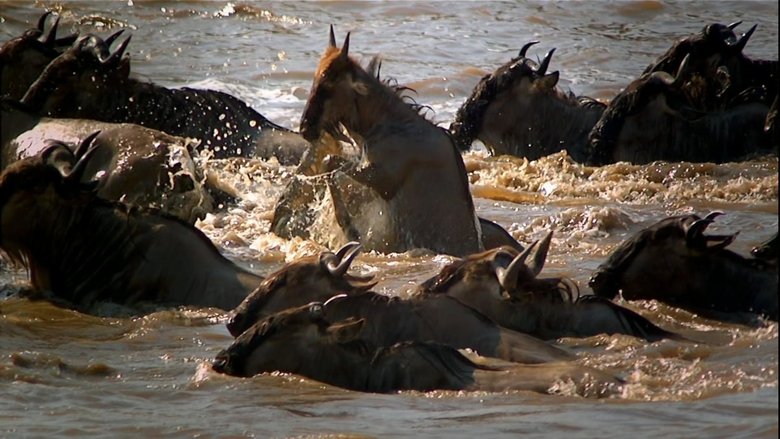
Every day, millions of creatures are born into a life on the march, on the wing, on the run. They are migrants. Born to move. From the tiniest butterflies to the largest wildebeest, life itself hinges on these travelers ability to get up and go. Born to Move spans the globe, revealing four of the most remarkable animal movements: Sperm Whales travelling over a million miles in a lifetime; Red Crabs overcoming horrific obstacles on a daily basis; Monarch Butterflies taking four generations to cross a continent; and Wildebeest, every year rising above the gaping jaws of ravenous crocodiles. National Geographic's GREAT MIGRATIONS reveals these spectacular, surprising and inspiring stories in unprecedented fashion. This 3 year production, filmed around the globe with cutting-edge technology delivers gripping stories of birth, death, struggle and renewal. Truly the most moving stories on earth.
Episode 1: Born to Move
Every day, millions of creatures are born into a life on the march, on the wing, on the run. They are migrants. Born to move. From the tiniest butterflies to the largest wildebeest, life itself hinges on these travelers ability to get up and go. Born to Move spans the globe, revealing four of the most remarkable animal movements: Sperm Whales travelling over a million miles in a lifetime; Red Crabs overcoming horrific obstacles on a daily basis; Monarch Butterflies taking four generations to cross a continent; and Wildebeest, every year rising above the gaping jaws of ravenous crocodiles. National Geographic's GREAT MIGRATIONS reveals these spectacular, surprising and inspiring stories in unprecedented fashion. This 3 year production, filmed around the globe with cutting-edge technology delivers gripping stories of birth, death, struggle and renewal. Truly the most moving stories on earth.
 Episode 2: Need to Breed
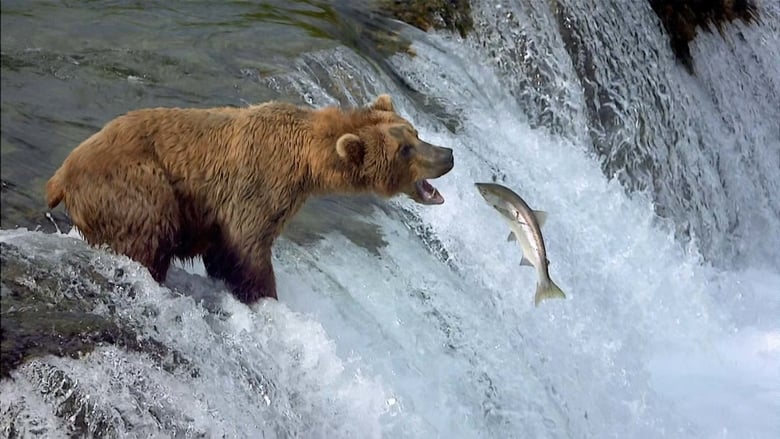
Every day, migrating creatures around the world wage incredible journeys; risking it all in pursuit of the one thing more precious than themselves: the creation and caretaking of their precious young - the next generation of global wanderers. From the rocky beaches of the Falkland Islands to the dense forests of Costa Rica and Australia to the desolate savannah of southern Sudan, countless animals now venture forth on timeless journeys, bent on their own survival -- and the survival of their species.
Episode 2: Need to Breed
Every day, migrating creatures around the world wage incredible journeys; risking it all in pursuit of the one thing more precious than themselves: the creation and caretaking of their precious young - the next generation of global wanderers. From the rocky beaches of the Falkland Islands to the dense forests of Costa Rica and Australia to the desolate savannah of southern Sudan, countless animals now venture forth on timeless journeys, bent on their own survival -- and the survival of their species.
 Episode 3: Science of Great Migrations
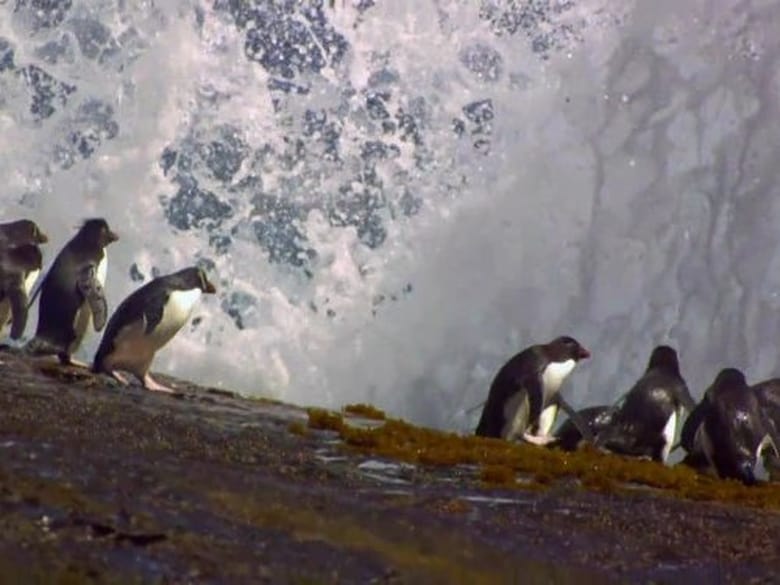
Borne of suffering, desperation, and starvation, every migration is a death-defying journey, filled with countless obstacles. Science of Great Migrations will go behind breathtaking images of migration and show how scientists learn from and study these magnificent spectacles of nature. The iconic migration of wildebeest in the Serengeti; the 1,800 mile flight path of the monarch butterfly; the two-month pilgrimage of the southern elephant seal off Patagonia; and the perilous journey of African elephants in Mali together give scientists a look into this dangerous world of migration. Advances in scientific technology and data collection are revealing a new understanding of animal decision-making, swarm dynamics and the inner workings of a herd, flock or pod.
Episode 3: Science of Great Migrations
Borne of suffering, desperation, and starvation, every migration is a death-defying journey, filled with countless obstacles. Science of Great Migrations will go behind breathtaking images of migration and show how scientists learn from and study these magnificent spectacles of nature. The iconic migration of wildebeest in the Serengeti; the 1,800 mile flight path of the monarch butterfly; the two-month pilgrimage of the southern elephant seal off Patagonia; and the perilous journey of African elephants in Mali together give scientists a look into this dangerous world of migration. Advances in scientific technology and data collection are revealing a new understanding of animal decision-making, swarm dynamics and the inner workings of a herd, flock or pod.
 Episode 4: Feast or Famine
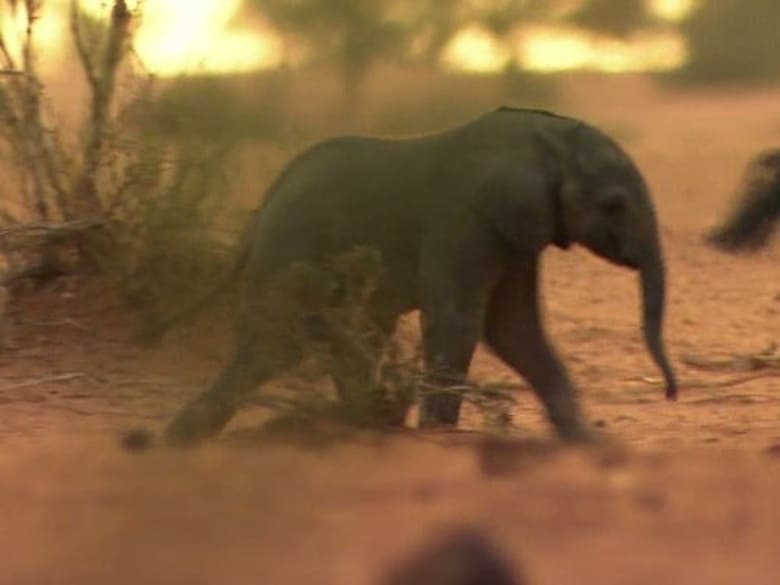
Every migration is an epic journey, driven in large part by hunger. Every day, trillions of creatures are moving in search of greener pastures. From microscopic plankton to rare desert elephants; from predatory bald eagles to luminous jellyfish; from ravenous Great White Sharks to lightning quick peregrine falcons; our planet is on the move. Countless creatures on timeless journeys, moving in numbers, surviving as one.
Episode 4: Feast or Famine
Every migration is an epic journey, driven in large part by hunger. Every day, trillions of creatures are moving in search of greener pastures. From microscopic plankton to rare desert elephants; from predatory bald eagles to luminous jellyfish; from ravenous Great White Sharks to lightning quick peregrine falcons; our planet is on the move. Countless creatures on timeless journeys, moving in numbers, surviving as one.
 Episode 5: Race to Survive
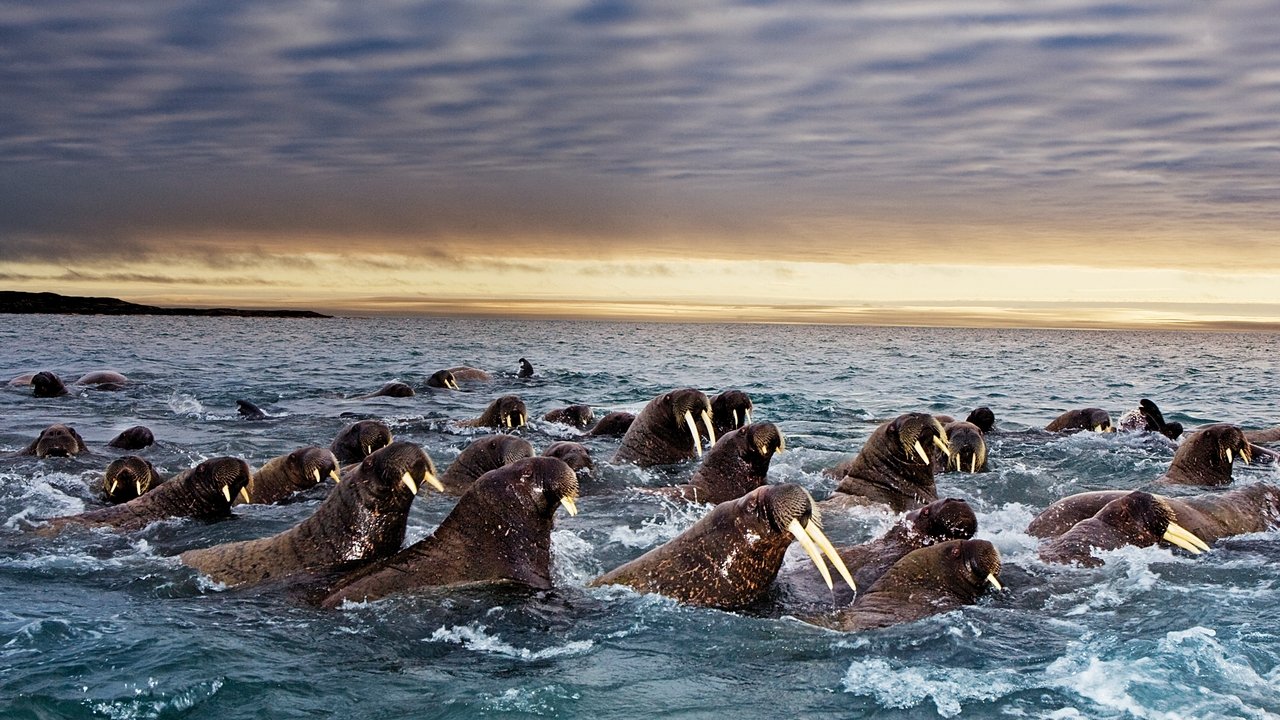
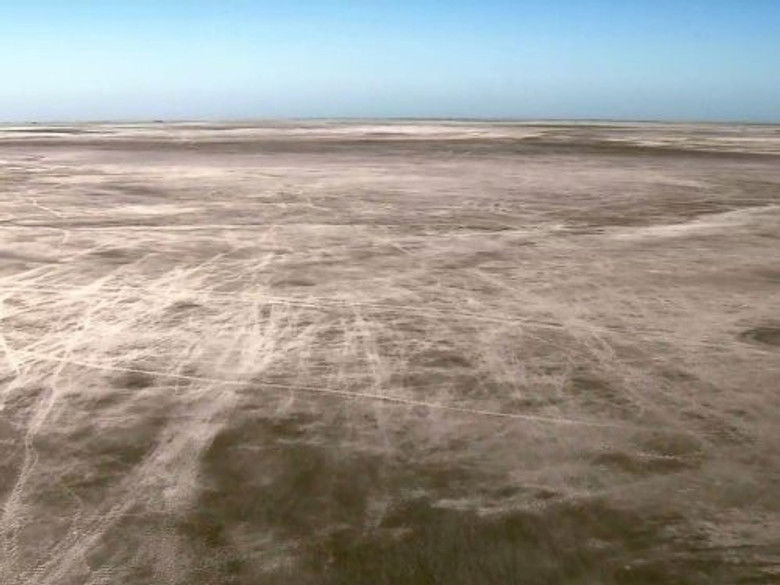
Migrations are ticking clocks: every day, countless animals must move or die, driven by changing seasons, and a changing climate; they are racing to reach their destination, before it's too late, to breed, feed or simply stay alive. From the ever changing Arctic ice floes to the salt pans of Botswana, trillions of creatures are compelled to journey - for the sake of their own survival and their legacy. But for animals ranging from walruses to whale sharks, zebras to orangutans, pronghorn to plankton -- every day is a race against time.
Episode 5: Race to Survive
Migrations are ticking clocks: every day, countless animals must move or die, driven by changing seasons, and a changing climate; they are racing to reach their destination, before it's too late, to breed, feed or simply stay alive. From the ever changing Arctic ice floes to the salt pans of Botswana, trillions of creatures are compelled to journey - for the sake of their own survival and their legacy. But for animals ranging from walruses to whale sharks, zebras to orangutans, pronghorn to plankton -- every day is a race against time.
 Episode 6: Behind the Scenes
Starting in 2007, National Geographic crews dispersed all over the planet to film the most amazing and unique animal migration stories ever told. Over the 2 years, the crew spent 350 hours in trees, 500 hours in blinds and 400 hours underwater. This behind-the-scenes story takes you to the depths of the sea and the far corners of the earth as you experience the dangers, difficulties and adventures of a National Geographic Cameraman.
Episode 6: Behind the Scenes
Starting in 2007, National Geographic crews dispersed all over the planet to film the most amazing and unique animal migration stories ever told. Over the 2 years, the crew spent 350 hours in trees, 500 hours in blinds and 400 hours underwater. This behind-the-scenes story takes you to the depths of the sea and the far corners of the earth as you experience the dangers, difficulties and adventures of a National Geographic Cameraman.
 Episode 7: Rhythm of Life
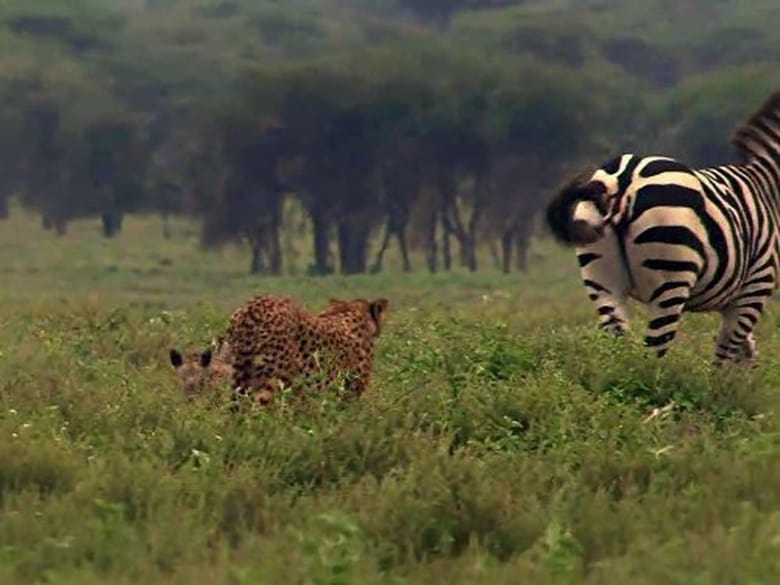
Great Migrations: Rhythm of Life is an unprecedented National Geographic Film. This film is a unique presentation of the very best footage and spectacular orchestral score of NatGeo's Great Migrations Television Event. The film brings together images from around the world, filmed over 3 years, resulting in a completely unique, narration-free, musical journey around the world. Great Migrations: Rhythm of Life is a breathtaking ride on the tailwinds of billions of creatures marching, swimming and flying across the planet on death-defying journeys.
Episode 7: Rhythm of Life
Great Migrations: Rhythm of Life is an unprecedented National Geographic Film. This film is a unique presentation of the very best footage and spectacular orchestral score of NatGeo's Great Migrations Television Event. The film brings together images from around the world, filmed over 3 years, resulting in a completely unique, narration-free, musical journey around the world. Great Migrations: Rhythm of Life is a breathtaking ride on the tailwinds of billions of creatures marching, swimming and flying across the planet on death-defying journeys.
More like this
 Natural World
 is a nature documentary television series broadcast annually on BBC Two and regarded by the BBC as its flagship natural history brand. It is currently the longest-running series in its genre on British television, with more than 400 episodes broadcast since its inception in 1983.
Natural World is produced by the BBC Natural History Unit in Bristol, but individual programmes can be in-house productions, collaborative productions with other broadcasters or films made and distributed by independent production companies and purchased by the BBC. Natural World programmes are often broadcast as PBS Nature episodes in the USA. Since 2008, most Natural World programmes have been shot and broadcast in high definition.
Natural World
Natural World is a nature documentary television series broadcast annually on BBC Two and regarded by the BBC as its flagship natural history brand. It is currently the longest-running series in its genre on British television, with more than 400 episodes broadcast since its inception in 1983.
Natural World is produced by the BBC Natural History Unit in Bristol, but individual programmes can be in-house productions, collaborative productions with other broadcasters or films made and distributed by independent production companies and purchased by the BBC. Natural World programmes are often broadcast as PBS Nature episodes in the USA. Since 2008, most Natural World programmes have been shot and broadcast in high definition.
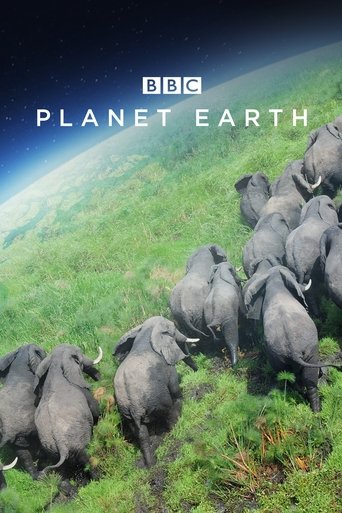 Planet Earth
David Attenborough celebrates the amazing variety of the natural world in this epic documentary series, filmed over four years across 64 different countries.
Planet Earth
David Attenborough celebrates the amazing variety of the natural world in this epic documentary series, filmed over four years across 64 different countries.
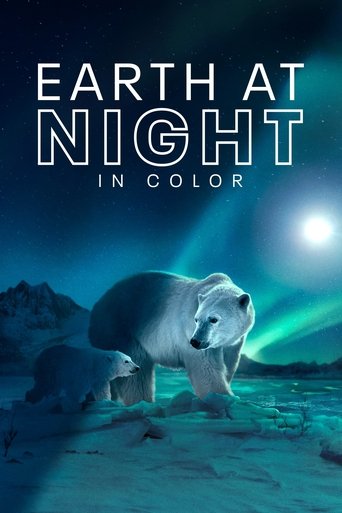 Earth at Night in Colour
Filmed across six continents, this docuseries uses cutting-edge camera technology to capture animals' nocturnal lives, revealing new behaviours filmed in full color like never before.
Earth at Night in Colour
Filmed across six continents, this docuseries uses cutting-edge camera technology to capture animals' nocturnal lives, revealing new behaviours filmed in full color like never before.
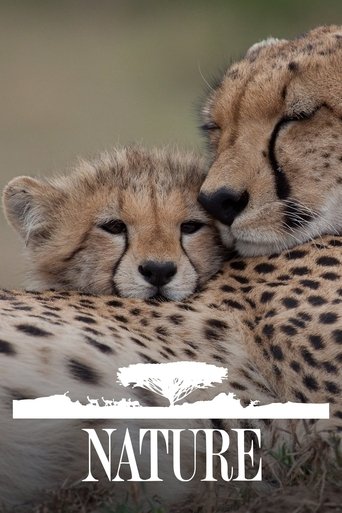 Nature
Consistently stunning documentaries transport viewers to far-flung locations ranging from the torrid African plains to the chilly splendours of icy Antarctica. The show's primary focus is on animals and ecosystems around the world. A comic book based on the show, meant to be used an as educational tool for kids, was briefly distributed to museums and schools at no cost in the mid-2000s.
Nature
Consistently stunning documentaries transport viewers to far-flung locations ranging from the torrid African plains to the chilly splendours of icy Antarctica. The show's primary focus is on animals and ecosystems around the world. A comic book based on the show, meant to be used an as educational tool for kids, was briefly distributed to museums and schools at no cost in the mid-2000s.
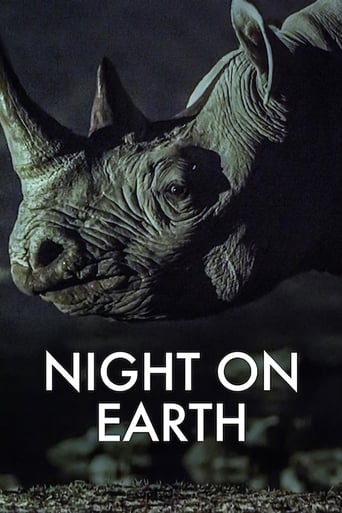 Night on Earth
This nature series’ new technology lifts night’s veil to reveal the hidden lives of the world’s creatures, from lions on the hunt to bats on the wing.
Night on Earth
This nature series’ new technology lifts night’s veil to reveal the hidden lives of the world’s creatures, from lions on the hunt to bats on the wing.
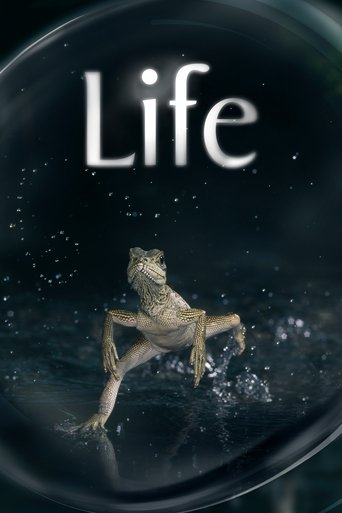 Life
David Attenborough looks at the extraordinary ends to which animals and plants go in order to survive. Featuring epic spectacles, amazing TV firsts and examples of new wildlife behaviour.
Life
David Attenborough looks at the extraordinary ends to which animals and plants go in order to survive. Featuring epic spectacles, amazing TV firsts and examples of new wildlife behaviour.
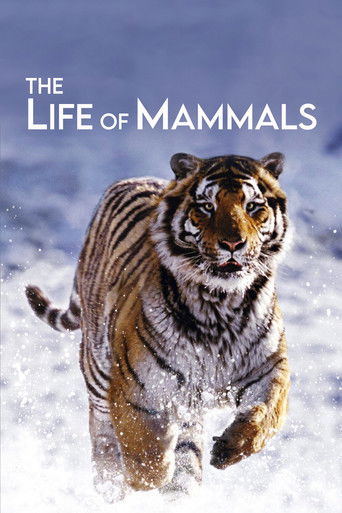 The Life of Mammals
David Attenborough presents a nature documentary series looking at why mammals are the most successful creatures on the planet.
The Life of Mammals
David Attenborough presents a nature documentary series looking at why mammals are the most successful creatures on the planet.
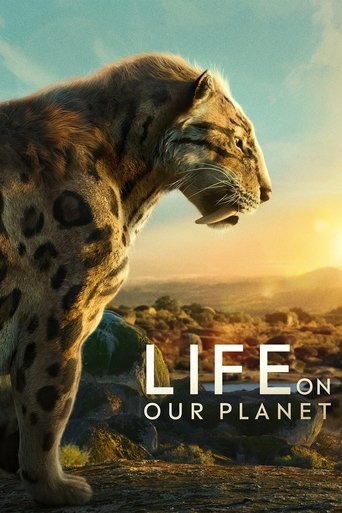 Life on Our Planet
Life's extraordinary journey to conquer, adapt and survive on Earth across billions of years comes alive in this groundbreaking nature docuseries.
Life on Our Planet
Life's extraordinary journey to conquer, adapt and survive on Earth across billions of years comes alive in this groundbreaking nature docuseries.
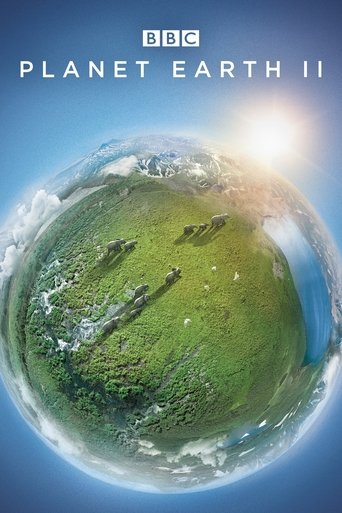 Planet Earth II
David Attenborough presents a documentary series exploring how animals meet the challenges of surviving in the most iconic habitats on earth.
Planet Earth II
David Attenborough presents a documentary series exploring how animals meet the challenges of surviving in the most iconic habitats on earth.
 Animal
This immersive series follows the world's most magnificent creatures, capturing never-before-seen moments from the heartwarming to the outrageous.
Animal
This immersive series follows the world's most magnificent creatures, capturing never-before-seen moments from the heartwarming to the outrageous.