TV series
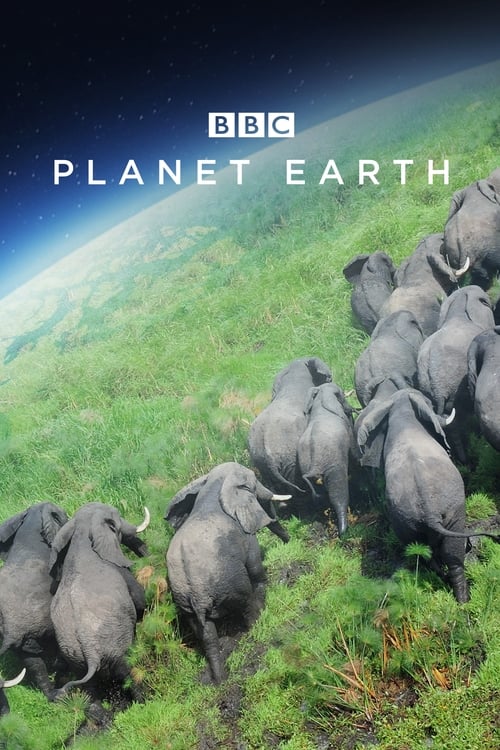
Planet Earth
Overview
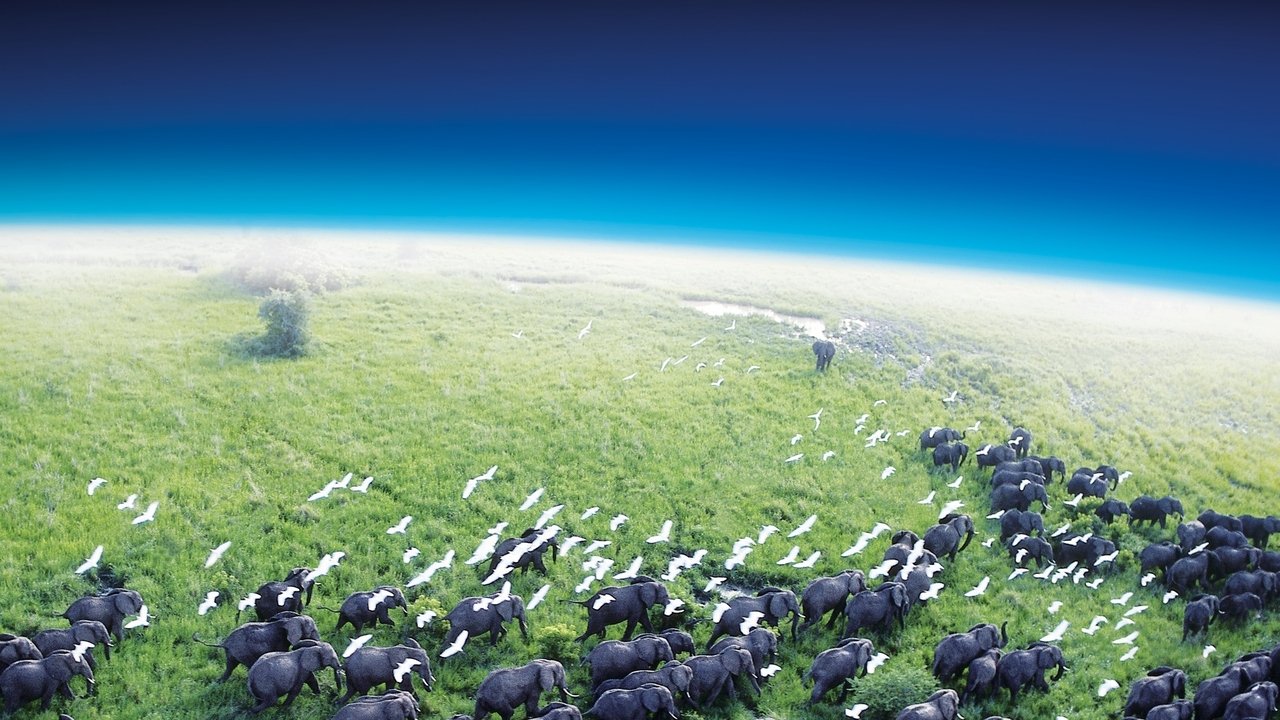
David Attenborough celebrates the amazing variety of the natural world in this epic documentary series, filmed over four years across 64 different countries.
Details
- First air date
- 2006-03-05
- Status
- Ended
- Seasons
- 1 season
- Episodes
- 11 episodes
- Genres
- Documentary
- Network
- BBC One
- Production
- BBC, NHK, Discovery
- Country
- GB
- Original language
- EN
Cast
- David Attenborough as Self - Narrator
Creators and crew
- Alastair Fothergill - Executive Producer
- Maureen Lemire - Executive Producer
- Mike Gunton - Executive Producer
- Tom Hugh-Jones - Executive Producer
- Alastair Fothergill - Producer
- Mark Linfield - Producer
Episodes
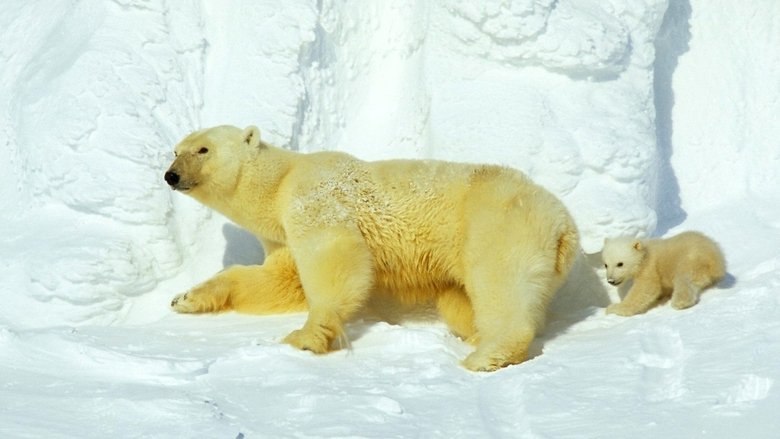 Episode 1: From Pole to Pole
A global tour examining the behaviors of animals and revealing the effects of climate change on their environments.
Episode 1: From Pole to Pole
A global tour examining the behaviors of animals and revealing the effects of climate change on their environments.
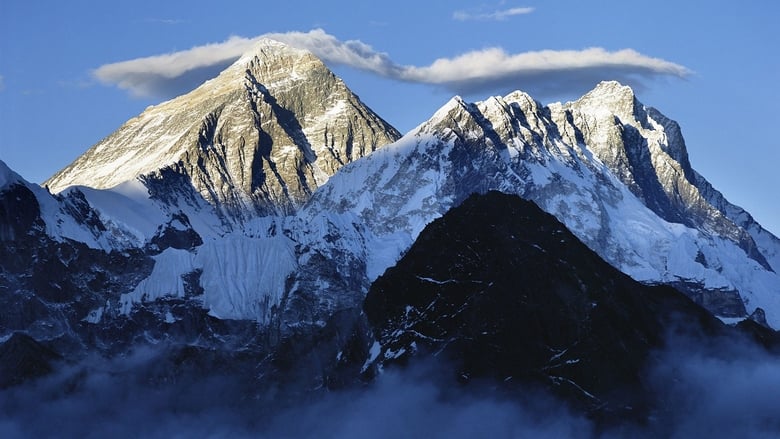 Episode 2: Mountains
An exploration of the world's major mountain ranges and the habitats they create.
Episode 2: Mountains
An exploration of the world's major mountain ranges and the habitats they create.
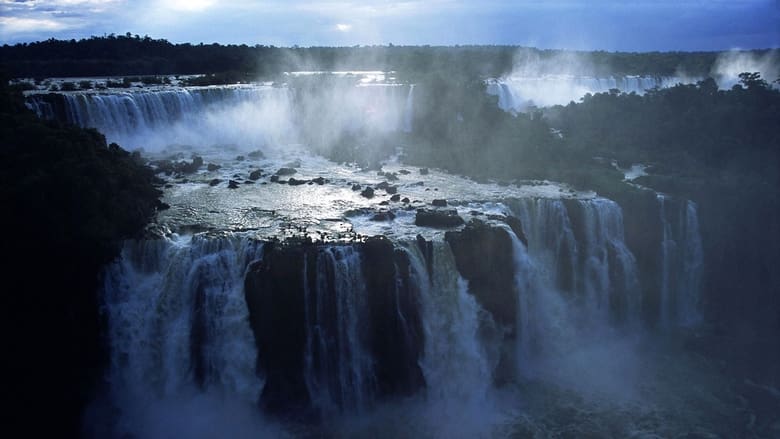 Episode 3: Fresh Water
Although merely 3% of water on earth, fresh water plays an important part in the planet's weather and erosion. It is immensely important for all non-marine wildlife, which drinks fresh water and swims, procreates, hunts in it. Its concentrations, such as rivers, lakes and swamps, abound in aquatic and other species, often adapted to 'wet' life.
Episode 3: Fresh Water
Although merely 3% of water on earth, fresh water plays an important part in the planet's weather and erosion. It is immensely important for all non-marine wildlife, which drinks fresh water and swims, procreates, hunts in it. Its concentrations, such as rivers, lakes and swamps, abound in aquatic and other species, often adapted to 'wet' life.
 Episode 4: Caves
Although often overlooked, caves are remarkable habitats with bizarre wildlife. Explore the structures created inside the earth as well as the adaptations animals have made to thrive in these environments.
Episode 4: Caves
Although often overlooked, caves are remarkable habitats with bizarre wildlife. Explore the structures created inside the earth as well as the adaptations animals have made to thrive in these environments.
 Episode 5: Deserts
Despite the lack of rain, deserts are the most varied of our ecosystems. In fact, about thirty percent of the earth's land surface is covered in desert. Explore the unique conditions present in deserts as well as the survival mechanisms developed by the animals that inhabit them.
Episode 5: Deserts
Despite the lack of rain, deserts are the most varied of our ecosystems. In fact, about thirty percent of the earth's land surface is covered in desert. Explore the unique conditions present in deserts as well as the survival mechanisms developed by the animals that inhabit them.
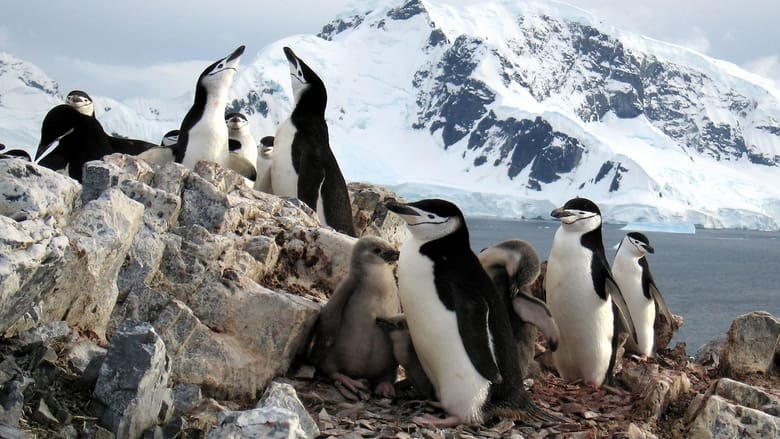 Episode 6: Ice Worlds
Experience life in the most hostile corners of the planet by exploring the terrain, seasons, and animals of the Arctic and Antarctic.
Episode 6: Ice Worlds
Experience life in the most hostile corners of the planet by exploring the terrain, seasons, and animals of the Arctic and Antarctic.
 Episode 7: Great Plains
This episode deals with savanna, steppe, tundra, prairie, and looks at the importance and resilience of grasses in such treeless ecosystems. Their vast expanses contain the largest concentration of animal life. Over Africa's savanna, a swarm of 1.5 billion red-billed queleas are caught on camera, the largest flock of birds ever depicted.
Episode 7: Great Plains
This episode deals with savanna, steppe, tundra, prairie, and looks at the importance and resilience of grasses in such treeless ecosystems. Their vast expanses contain the largest concentration of animal life. Over Africa's savanna, a swarm of 1.5 billion red-billed queleas are caught on camera, the largest flock of birds ever depicted.
 Episode 8: Jungles
Jungles cover roughly three percent of our planet yet contain fifty percent of the world's species. Experience the countless flora and fauna that inhabit these unique areas.
Episode 8: Jungles
Jungles cover roughly three percent of our planet yet contain fifty percent of the world's species. Experience the countless flora and fauna that inhabit these unique areas.
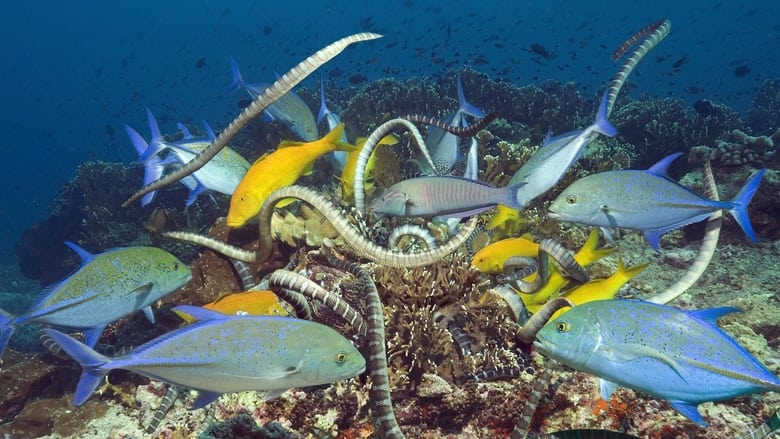 Episode 9: Shallow Seas
A look at the shallow seas of the earth, from coral reefs to kelp forests and beyond.
Episode 9: Shallow Seas
A look at the shallow seas of the earth, from coral reefs to kelp forests and beyond.
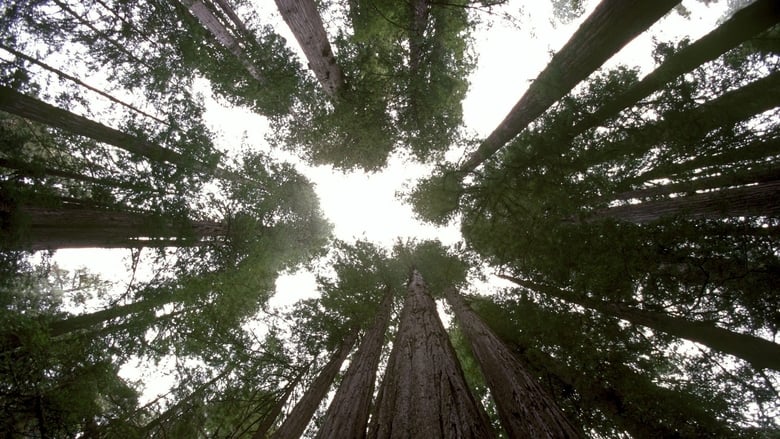 Episode 10: Seasonal Forests
Trees are Earth's largest organisms and are also one of the planet's oldest inhabitants. Seasonal forests (unlike tropical rain-forest) are the largest land habitats. A third of all trees grow in the endless taiga of the Arctic north. Northern America has forests that include California's sequoias, the Earth's largest trees. There and elsewhere, their vast production of photosynthesis and shade presides over a seasonal cycle of life and involves countless plant and animal species.
Episode 10: Seasonal Forests
Trees are Earth's largest organisms and are also one of the planet's oldest inhabitants. Seasonal forests (unlike tropical rain-forest) are the largest land habitats. A third of all trees grow in the endless taiga of the Arctic north. Northern America has forests that include California's sequoias, the Earth's largest trees. There and elsewhere, their vast production of photosynthesis and shade presides over a seasonal cycle of life and involves countless plant and animal species.
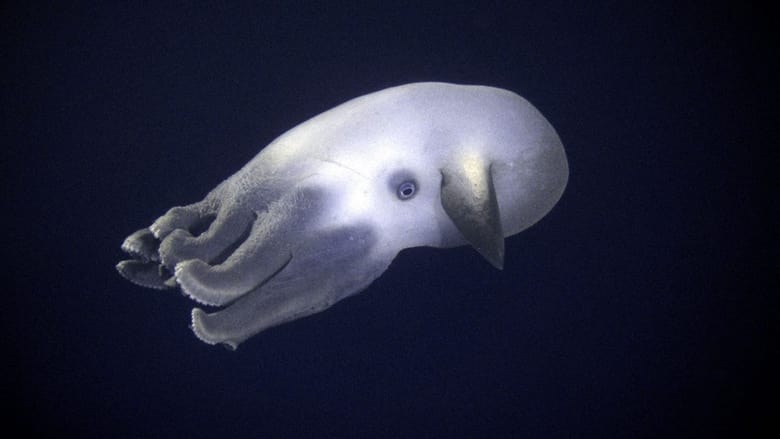 Episode 11: Ocean Deep
An exploration of the deepest, darkest realms of the ocean, spanning countless species to a depth of 2,000 meters.
Episode 11: Ocean Deep
An exploration of the deepest, darkest realms of the ocean, spanning countless species to a depth of 2,000 meters.
More like this
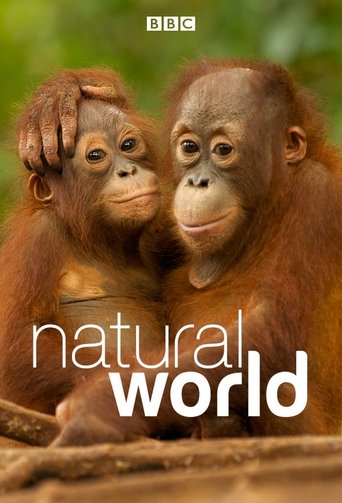 Natural World
 is a nature documentary television series broadcast annually on BBC Two and regarded by the BBC as its flagship natural history brand. It is currently the longest-running series in its genre on British television, with more than 400 episodes broadcast since its inception in 1983.
Natural World is produced by the BBC Natural History Unit in Bristol, but individual programmes can be in-house productions, collaborative productions with other broadcasters or films made and distributed by independent production companies and purchased by the BBC. Natural World programmes are often broadcast as PBS Nature episodes in the USA. Since 2008, most Natural World programmes have been shot and broadcast in high definition.
Natural World
Natural World is a nature documentary television series broadcast annually on BBC Two and regarded by the BBC as its flagship natural history brand. It is currently the longest-running series in its genre on British television, with more than 400 episodes broadcast since its inception in 1983.
Natural World is produced by the BBC Natural History Unit in Bristol, but individual programmes can be in-house productions, collaborative productions with other broadcasters or films made and distributed by independent production companies and purchased by the BBC. Natural World programmes are often broadcast as PBS Nature episodes in the USA. Since 2008, most Natural World programmes have been shot and broadcast in high definition.
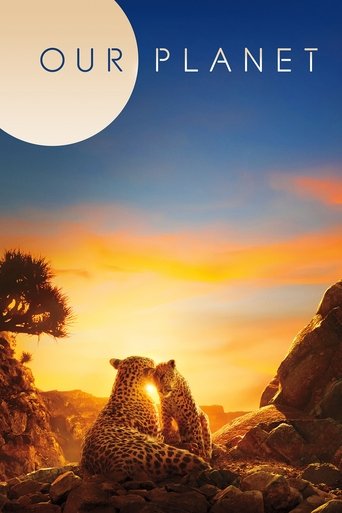 Our Planet
Experience our planet's natural beauty and examine how climate change impacts all living creatures in this ambitious documentary of spectacular scope.
Our Planet
Experience our planet's natural beauty and examine how climate change impacts all living creatures in this ambitious documentary of spectacular scope.
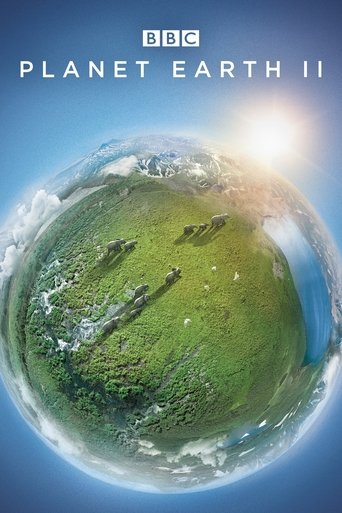 Planet Earth II
David Attenborough presents a documentary series exploring how animals meet the challenges of surviving in the most iconic habitats on earth.
Planet Earth II
David Attenborough presents a documentary series exploring how animals meet the challenges of surviving in the most iconic habitats on earth.
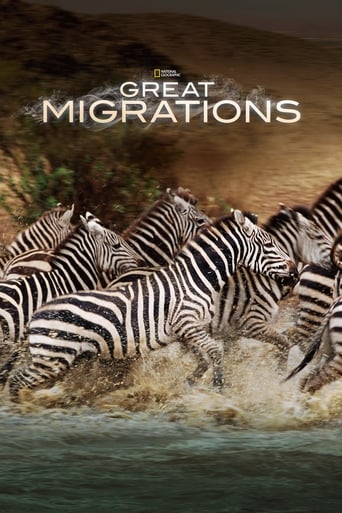 Great Migrations
Shot from land and air, in trees and cliff-blinds, on ice floes and underwater, this documentary tells the powerful stories of many of the planet's species and their movements, while revealing new scientific insights with breathtaking high-definition clarity and emotional impact. The beauty of these stories is underscored by a new focus into these species; fragile existence and their life-and-death quest for survival in an ever-changing world.
Great Migrations
Shot from land and air, in trees and cliff-blinds, on ice floes and underwater, this documentary tells the powerful stories of many of the planet's species and their movements, while revealing new scientific insights with breathtaking high-definition clarity and emotional impact. The beauty of these stories is underscored by a new focus into these species; fragile existence and their life-and-death quest for survival in an ever-changing world.
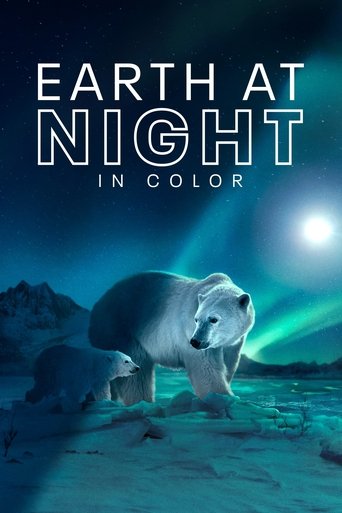 Earth at Night in Colour
Filmed across six continents, this docuseries uses cutting-edge camera technology to capture animals' nocturnal lives, revealing new behaviours filmed in full color like never before.
Earth at Night in Colour
Filmed across six continents, this docuseries uses cutting-edge camera technology to capture animals' nocturnal lives, revealing new behaviours filmed in full color like never before.
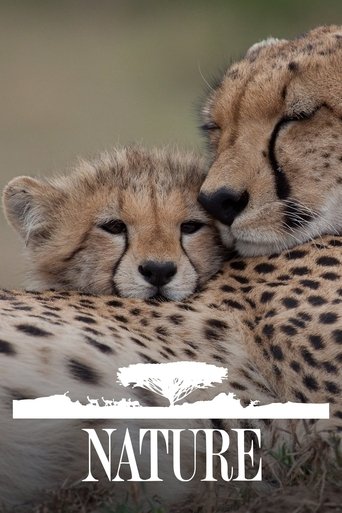 Nature
Consistently stunning documentaries transport viewers to far-flung locations ranging from the torrid African plains to the chilly splendours of icy Antarctica. The show's primary focus is on animals and ecosystems around the world. A comic book based on the show, meant to be used an as educational tool for kids, was briefly distributed to museums and schools at no cost in the mid-2000s.
Nature
Consistently stunning documentaries transport viewers to far-flung locations ranging from the torrid African plains to the chilly splendours of icy Antarctica. The show's primary focus is on animals and ecosystems around the world. A comic book based on the show, meant to be used an as educational tool for kids, was briefly distributed to museums and schools at no cost in the mid-2000s.
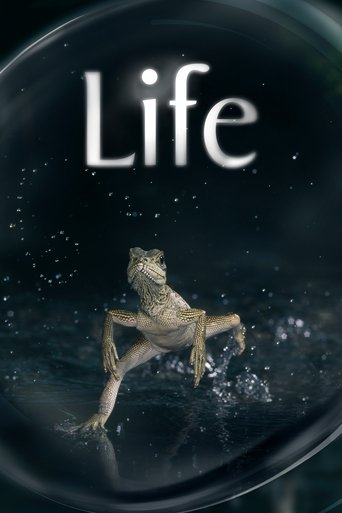 Life
David Attenborough looks at the extraordinary ends to which animals and plants go in order to survive. Featuring epic spectacles, amazing TV firsts and examples of new wildlife behaviour.
Life
David Attenborough looks at the extraordinary ends to which animals and plants go in order to survive. Featuring epic spectacles, amazing TV firsts and examples of new wildlife behaviour.
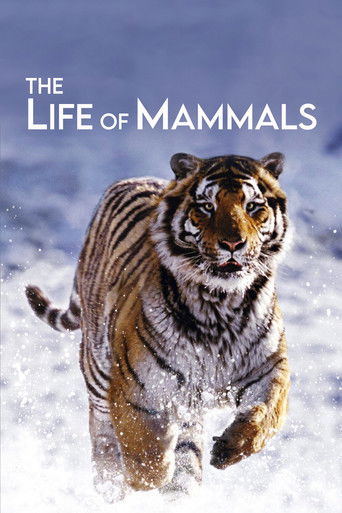 The Life of Mammals
David Attenborough presents a nature documentary series looking at why mammals are the most successful creatures on the planet.
The Life of Mammals
David Attenborough presents a nature documentary series looking at why mammals are the most successful creatures on the planet.
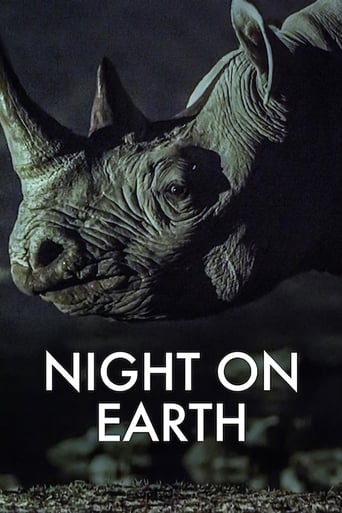 Night on Earth
This nature series’ new technology lifts night’s veil to reveal the hidden lives of the world’s creatures, from lions on the hunt to bats on the wing.
Night on Earth
This nature series’ new technology lifts night’s veil to reveal the hidden lives of the world’s creatures, from lions on the hunt to bats on the wing.
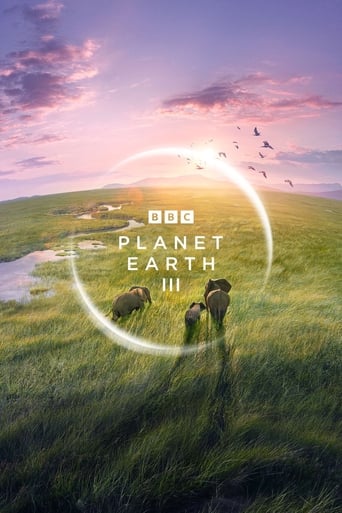 Planet Earth III
Journeying to the far reaches of our planet, this eight part series follows some of the world's most amazing species, telling extraordinary stories that are dramatic, thrilling, funny and sometimes heart-breaking, but always full of hope.
Planet Earth III
Journeying to the far reaches of our planet, this eight part series follows some of the world's most amazing species, telling extraordinary stories that are dramatic, thrilling, funny and sometimes heart-breaking, but always full of hope.