TV series
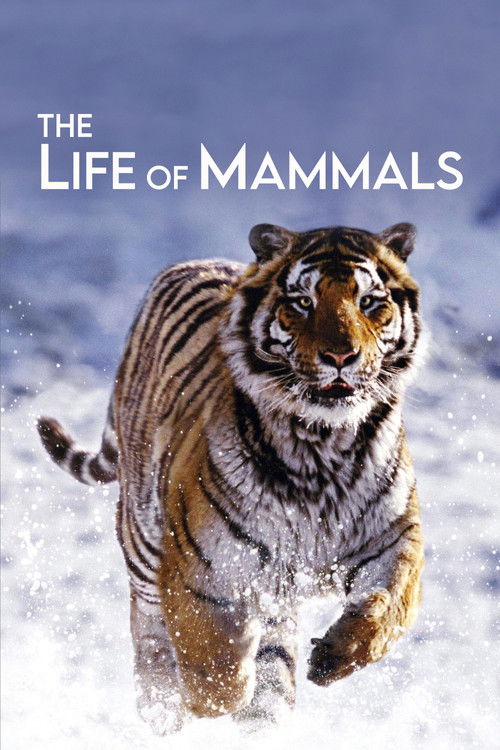
The Life of Mammals
Overview
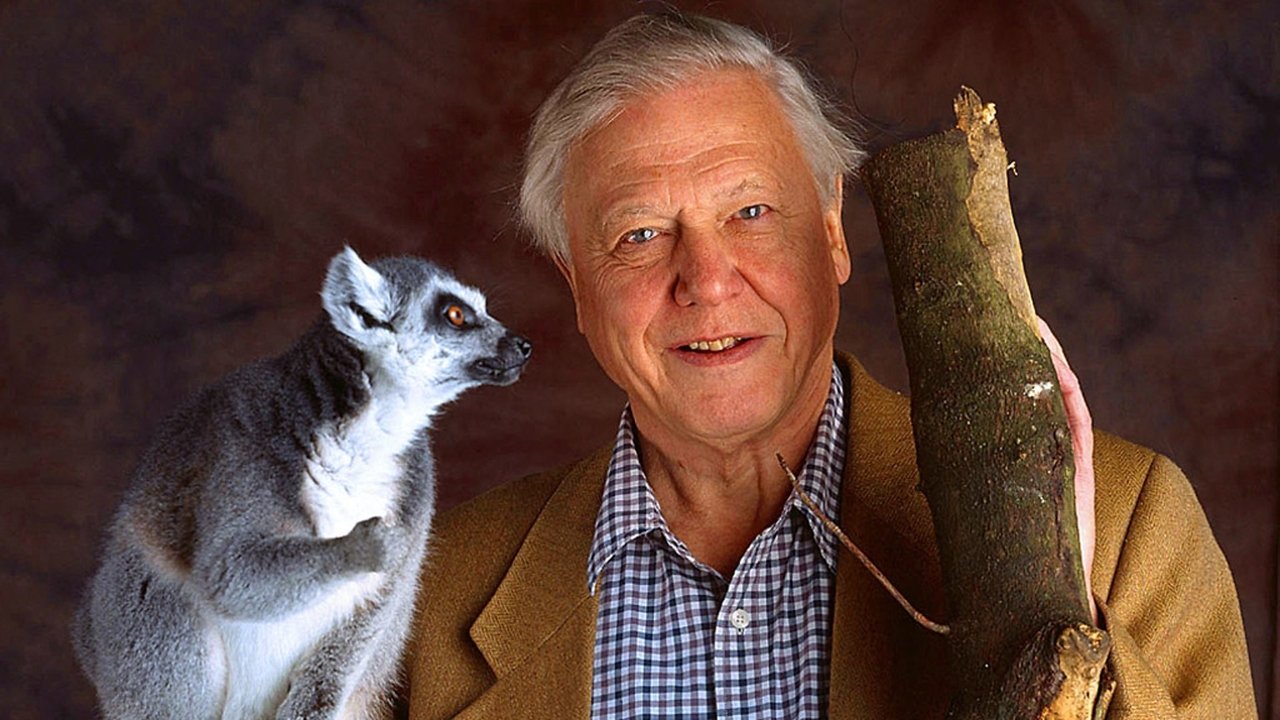
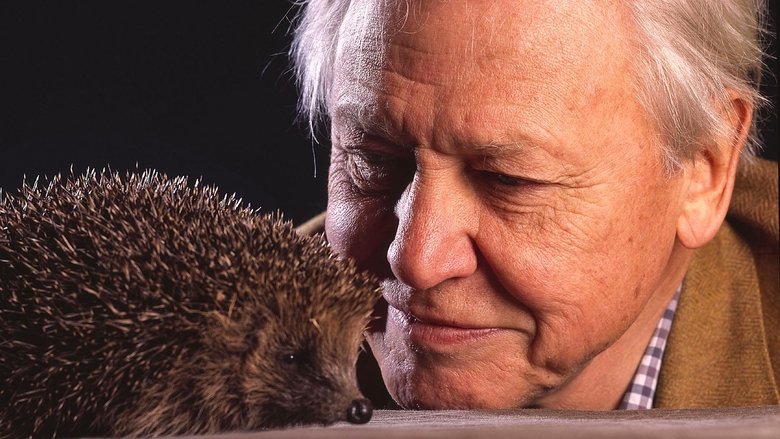
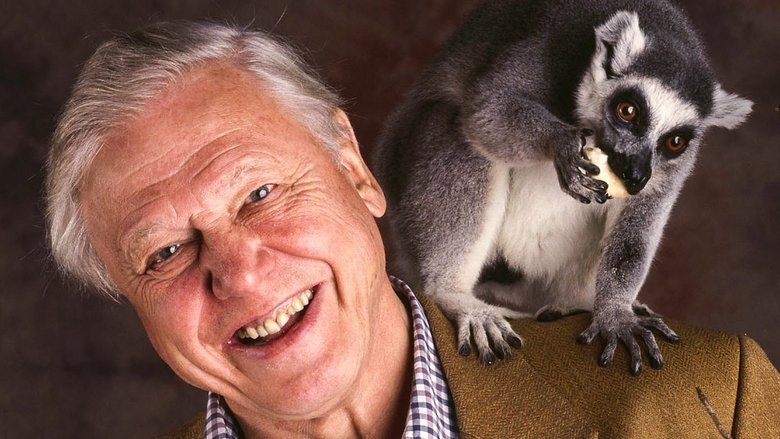
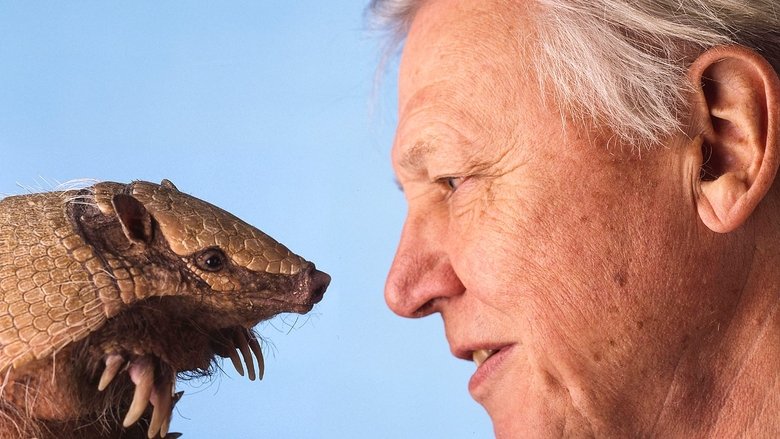
David Attenborough presents a nature documentary series looking at why mammals are the most successful creatures on the planet.
Details
- First air date
- 2002-11-20
- Status
- Ended
- Seasons
- 1 season
- Episodes
- 10 episodes
- Genres
- Documentary
- Network
- BBC One
- Production
- Discovery, BBC, BBC Studios Natural History Unit
- Country
- GB
- Original language
- EN
Cast
- David Attenborough as Self - Presenter
Creators and crew
- Michael Salisbury - Producer
- Sandra Gorel - Producer
- Huw Cordey - Producer
- Neil Lucas - Producer
- Vanessa Berlowitz - Producer
- Mark Linfield - Producer
Episodes
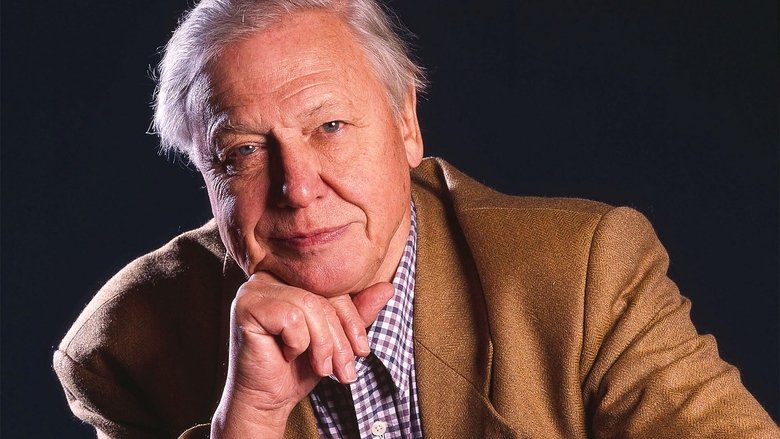 Episode 1: A Winning Design
From the tiniest bat to the massive blue whale, all mammals share the ability to nurture their young on milk and regulate their own temperatures.
Episode 1: A Winning Design
From the tiniest bat to the massive blue whale, all mammals share the ability to nurture their young on milk and regulate their own temperatures.
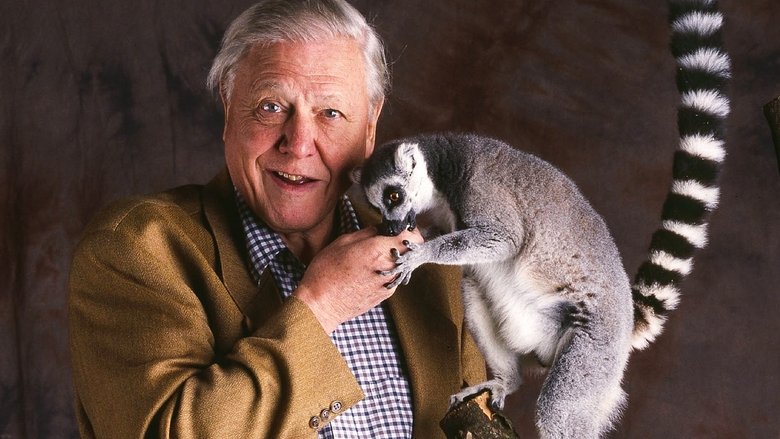 Episode 2: Insect Hunters
Mammals from tiny shrews to giant anteaters have specialised in eating insects. Some have even pursued their prey into the skies.
Episode 2: Insect Hunters
Mammals from tiny shrews to giant anteaters have specialised in eating insects. Some have even pursued their prey into the skies.
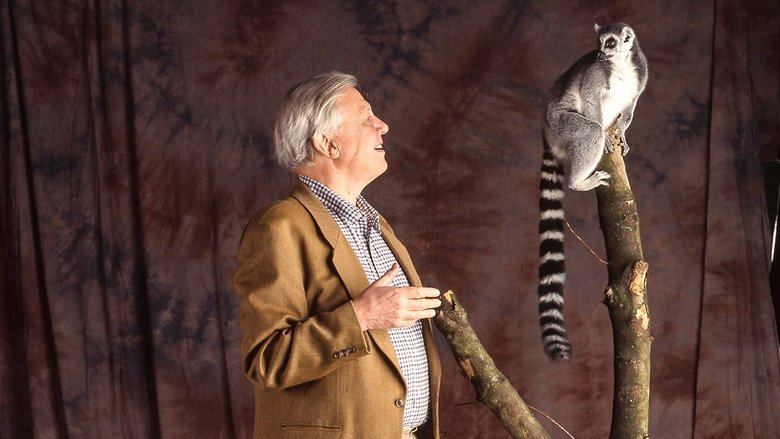 Episode 3: Plant Predators
The plant eaters take on the largely indigestible, spiny and poisonous defences of plants with some spectacular physical adaptations to diet.
Episode 3: Plant Predators
The plant eaters take on the largely indigestible, spiny and poisonous defences of plants with some spectacular physical adaptations to diet.
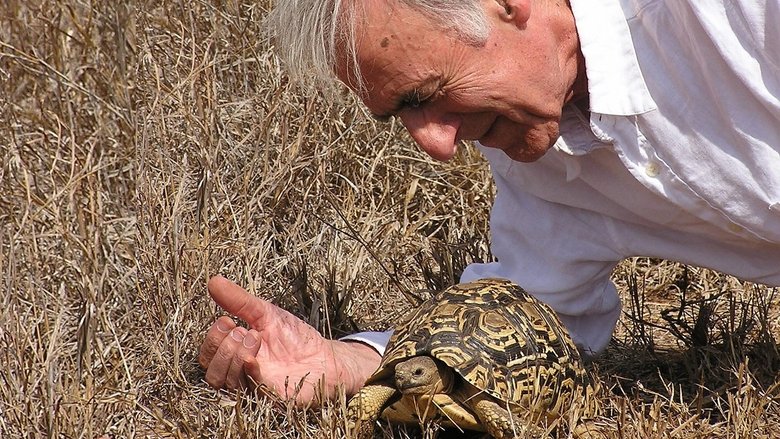 Episode 4: Chisellers
Special tools like chisel sharp front teeth and underground dwelling enable this group of mammals to feast on roots and seeds.
Episode 4: Chisellers
Special tools like chisel sharp front teeth and underground dwelling enable this group of mammals to feast on roots and seeds.
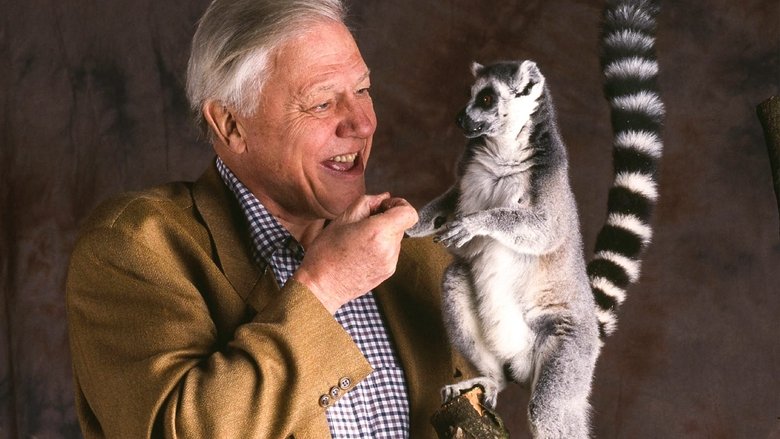 Episode 5: Meat Eaters
Predators and prey must evolve speed, endurance and manoeuvrability to outwit each other, and the pack hunters must maintain order in the ranks.
Episode 5: Meat Eaters
Predators and prey must evolve speed, endurance and manoeuvrability to outwit each other, and the pack hunters must maintain order in the ranks.
 Episode 6: Opportunists
A mammal capable of having a varied diet can be highly adaptable and exploit new environments including the cities where they thrive.
Episode 6: Opportunists
A mammal capable of having a varied diet can be highly adaptable and exploit new environments including the cities where they thrive.
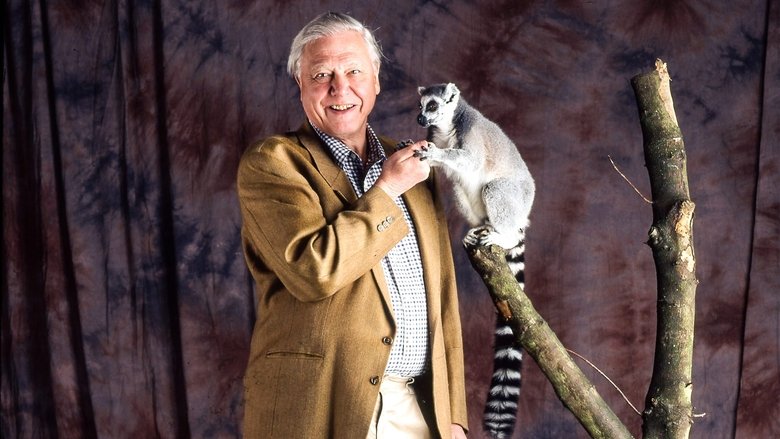 Episode 7: Return to the Water
With perfect streamlined bodies and great underwater speed, seals, dolphins, porpoises and whales became the new hunters of the sea..
Episode 7: Return to the Water
With perfect streamlined bodies and great underwater speed, seals, dolphins, porpoises and whales became the new hunters of the sea..
 Episode 8: Life in the Trees
A range of adaptations from sucker-feet to gripping tails help the tree dwellers to survive, and in the dark forest super senses come in to play.
Episode 8: Life in the Trees
A range of adaptations from sucker-feet to gripping tails help the tree dwellers to survive, and in the dark forest super senses come in to play.
 Episode 9: Social Climbers
In the daily hubbub of monkey life, only those with a talent for social wheeler dealing get ahead, driving the shift towards larger brains.
Episode 9: Social Climbers
In the daily hubbub of monkey life, only those with a talent for social wheeler dealing get ahead, driving the shift towards larger brains.
 Episode 10: Food for Thought
The natural world was transformed when one great ape began to walk upright - us. But why has this led to the development of our extraordinary brains?
Episode 10: Food for Thought
The natural world was transformed when one great ape began to walk upright - us. But why has this led to the development of our extraordinary brains?
More like this
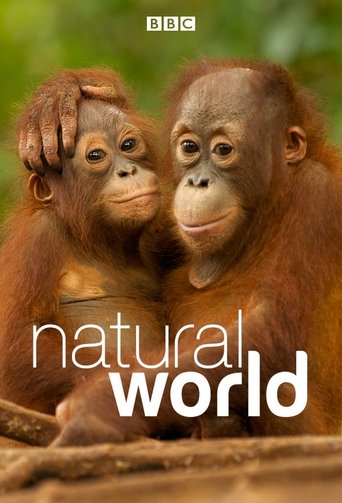 Natural World
 is a nature documentary television series broadcast annually on BBC Two and regarded by the BBC as its flagship natural history brand. It is currently the longest-running series in its genre on British television, with more than 400 episodes broadcast since its inception in 1983.
Natural World is produced by the BBC Natural History Unit in Bristol, but individual programmes can be in-house productions, collaborative productions with other broadcasters or films made and distributed by independent production companies and purchased by the BBC. Natural World programmes are often broadcast as PBS Nature episodes in the USA. Since 2008, most Natural World programmes have been shot and broadcast in high definition.
Natural World
Natural World is a nature documentary television series broadcast annually on BBC Two and regarded by the BBC as its flagship natural history brand. It is currently the longest-running series in its genre on British television, with more than 400 episodes broadcast since its inception in 1983.
Natural World is produced by the BBC Natural History Unit in Bristol, but individual programmes can be in-house productions, collaborative productions with other broadcasters or films made and distributed by independent production companies and purchased by the BBC. Natural World programmes are often broadcast as PBS Nature episodes in the USA. Since 2008, most Natural World programmes have been shot and broadcast in high definition.
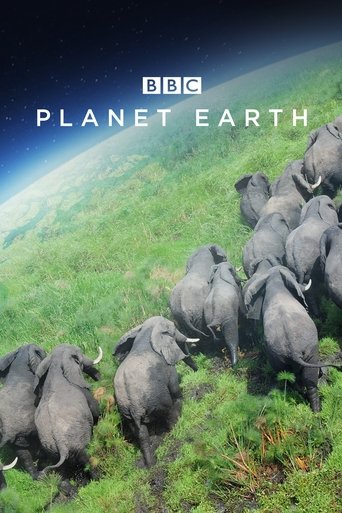 Planet Earth
David Attenborough celebrates the amazing variety of the natural world in this epic documentary series, filmed over four years across 64 different countries.
Planet Earth
David Attenborough celebrates the amazing variety of the natural world in this epic documentary series, filmed over four years across 64 different countries.
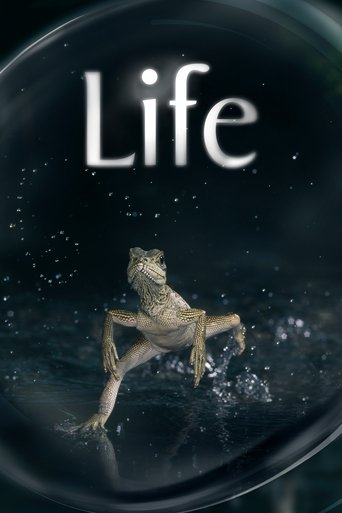 Life
David Attenborough looks at the extraordinary ends to which animals and plants go in order to survive. Featuring epic spectacles, amazing TV firsts and examples of new wildlife behaviour.
Life
David Attenborough looks at the extraordinary ends to which animals and plants go in order to survive. Featuring epic spectacles, amazing TV firsts and examples of new wildlife behaviour.
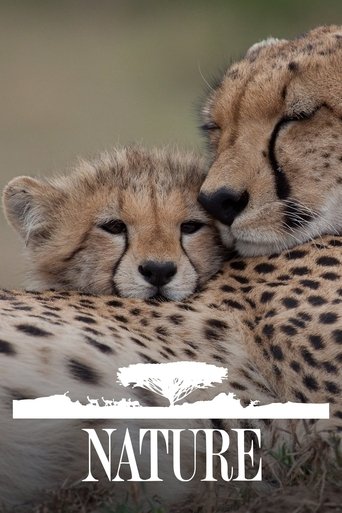 Nature
Consistently stunning documentaries transport viewers to far-flung locations ranging from the torrid African plains to the chilly splendours of icy Antarctica. The show's primary focus is on animals and ecosystems around the world. A comic book based on the show, meant to be used an as educational tool for kids, was briefly distributed to museums and schools at no cost in the mid-2000s.
Nature
Consistently stunning documentaries transport viewers to far-flung locations ranging from the torrid African plains to the chilly splendours of icy Antarctica. The show's primary focus is on animals and ecosystems around the world. A comic book based on the show, meant to be used an as educational tool for kids, was briefly distributed to museums and schools at no cost in the mid-2000s.
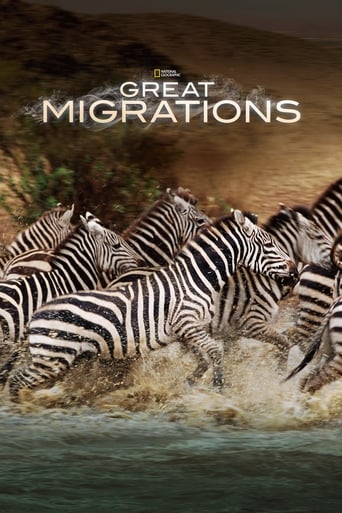 Great Migrations
Shot from land and air, in trees and cliff-blinds, on ice floes and underwater, this documentary tells the powerful stories of many of the planet's species and their movements, while revealing new scientific insights with breathtaking high-definition clarity and emotional impact. The beauty of these stories is underscored by a new focus into these species; fragile existence and their life-and-death quest for survival in an ever-changing world.
Great Migrations
Shot from land and air, in trees and cliff-blinds, on ice floes and underwater, this documentary tells the powerful stories of many of the planet's species and their movements, while revealing new scientific insights with breathtaking high-definition clarity and emotional impact. The beauty of these stories is underscored by a new focus into these species; fragile existence and their life-and-death quest for survival in an ever-changing world.
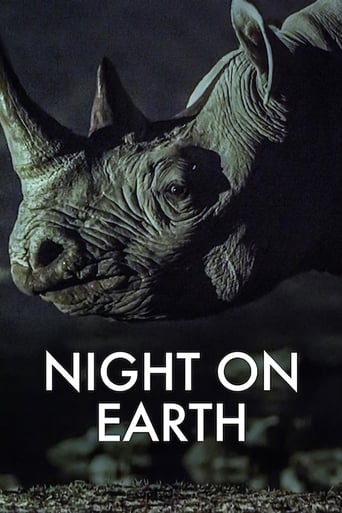 Night on Earth
This nature series’ new technology lifts night’s veil to reveal the hidden lives of the world’s creatures, from lions on the hunt to bats on the wing.
Night on Earth
This nature series’ new technology lifts night’s veil to reveal the hidden lives of the world’s creatures, from lions on the hunt to bats on the wing.
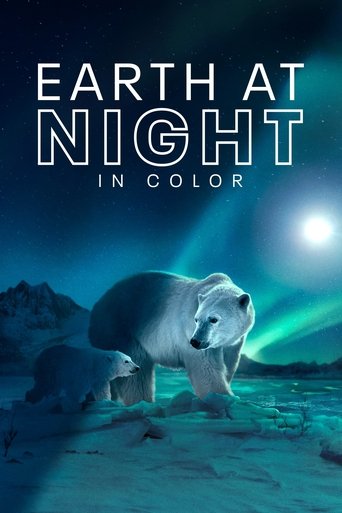 Earth at Night in Colour
Filmed across six continents, this docuseries uses cutting-edge camera technology to capture animals' nocturnal lives, revealing new behaviours filmed in full color like never before.
Earth at Night in Colour
Filmed across six continents, this docuseries uses cutting-edge camera technology to capture animals' nocturnal lives, revealing new behaviours filmed in full color like never before.
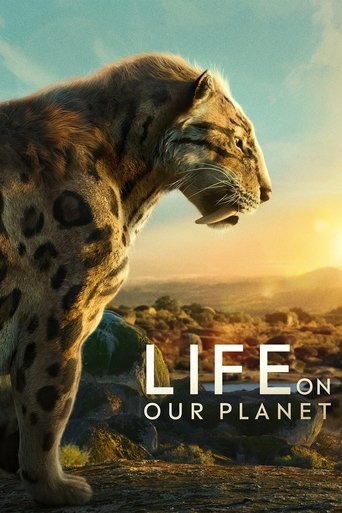 Life on Our Planet
Life's extraordinary journey to conquer, adapt and survive on Earth across billions of years comes alive in this groundbreaking nature docuseries.
Life on Our Planet
Life's extraordinary journey to conquer, adapt and survive on Earth across billions of years comes alive in this groundbreaking nature docuseries.
 Tiny World
This docuseries showcases nature's lesser-known tiny heroes. Spotlighting small creatures and the extraordinary things they do to survive, each episode is filled with surprising stories and spectacular cinematography.
Tiny World
This docuseries showcases nature's lesser-known tiny heroes. Spotlighting small creatures and the extraordinary things they do to survive, each episode is filled with surprising stories and spectacular cinematography.
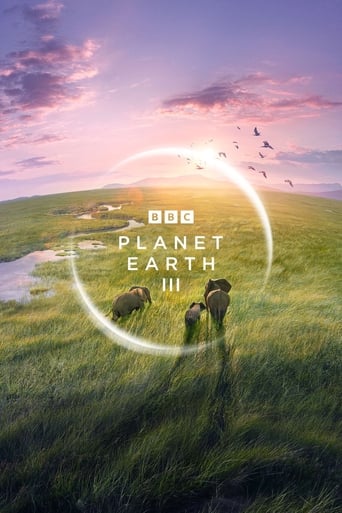 Planet Earth III
Journeying to the far reaches of our planet, this eight part series follows some of the world's most amazing species, telling extraordinary stories that are dramatic, thrilling, funny and sometimes heart-breaking, but always full of hope.
Planet Earth III
Journeying to the far reaches of our planet, this eight part series follows some of the world's most amazing species, telling extraordinary stories that are dramatic, thrilling, funny and sometimes heart-breaking, but always full of hope.