TV series
Africa
Overview
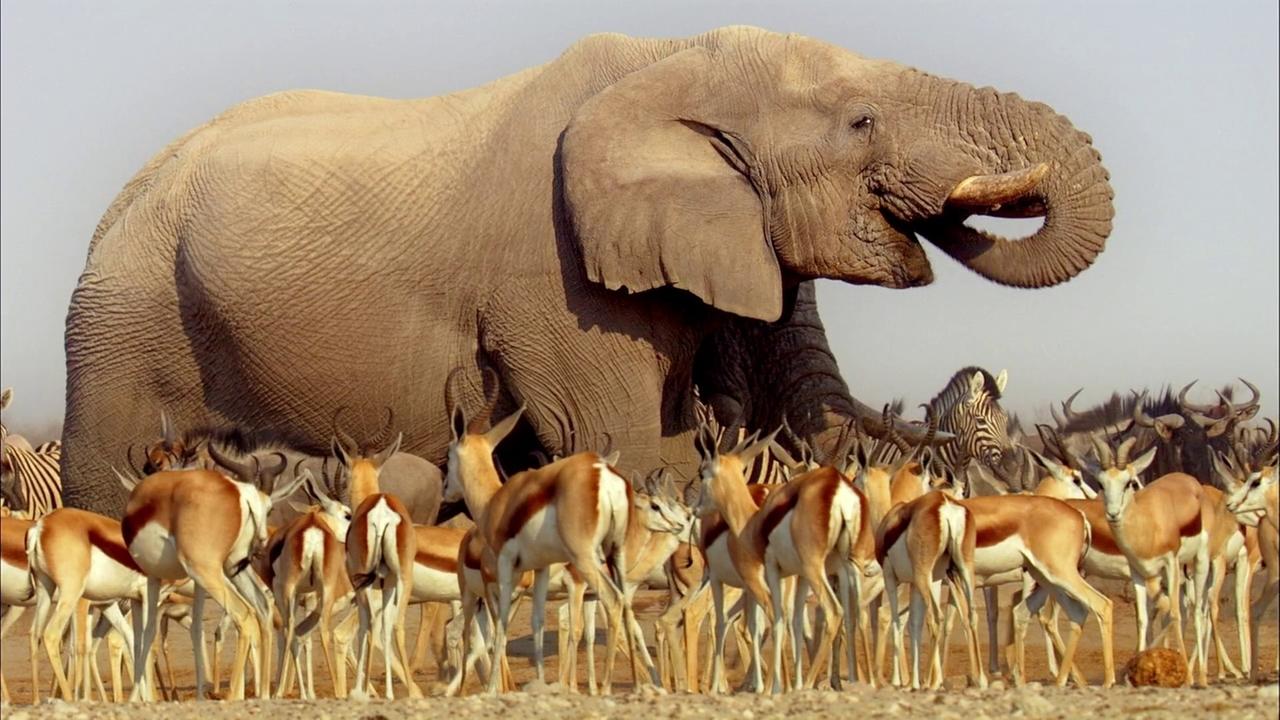
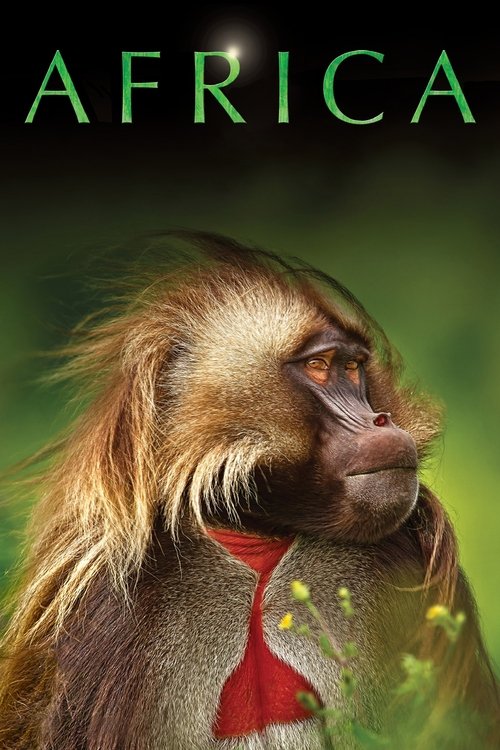
Africa, the world's wildest continent. David Attenborough takes us on an awe-inspiring journey through one of the most diverse places in the world. We visit deserts, savannas, and jungles and meet up with some of Africa's amazing wildlife.
Details
- First air date
- 2013-01-02
- Status
- Ended
- Seasons
- 1 season
- Episodes
- 6 episodes
- Genres
- Documentary
- Network
- BBC One
- Production
- BBC, Discovery, France Télévisions, CCTV
- Country
- GB
- Original language
- EN
Cast
- David Attenborough as Self - Narrator (voice)
- Simon Blakeney as Self - Producer
- Martyn Colbeck as Self - Cameraman
- Paul Brehem as Self - Scientific Advisor
- Justine Evans as Self - Camerawoman
- Justin Maguire as Self - Cameraman
- Mark Deeble as Self - Cameraman
- James Aldred as Self - Cameraman
- Mark MacEwen as Self - Cameraman
- Kevin Flay as Self - Cameraman
- Hugh Miller as Self - Cameraman
- Hugh Pearson as Self - Producer
Creators and crew
- Mike Gunton - Executive Producer
- James Honeyborne - Producer
- Katrina Bartlam - Director
- Felicity Lanchester - Director
- Felicity Egerton - Director
- Nick Easton - Director
Episodes
 Episode 1: Kalahari
The series opens in Africa's south west corner and features the wildlife and landscapes of the Kalahari and Namib deserts. Starlight cameras reveal previously unfilmed nocturnal behaviour of black rhinos as they socialise at a Kalahari waterhole, and super slow motion footage captures a fierce battle between two male giraffes. Other sequences show Namibia's famous and mysterious fairy circles, how a fork-tailed drongo's talent for mimicry allows it to steal a meal from a meerkat clan, how ostrichs help their chicks find water, and how red-billed queleas defend their nests from marauding armoured bush crickets. Also, for the first time, cameras enter the world's largest underground lake in Dragon's Breath Cave and film the critically endangered golden cave catfish. Eye to Eye looks behind the scenes of the rhino and giraffe filming.
Episode 1: Kalahari
The series opens in Africa's south west corner and features the wildlife and landscapes of the Kalahari and Namib deserts. Starlight cameras reveal previously unfilmed nocturnal behaviour of black rhinos as they socialise at a Kalahari waterhole, and super slow motion footage captures a fierce battle between two male giraffes. Other sequences show Namibia's famous and mysterious fairy circles, how a fork-tailed drongo's talent for mimicry allows it to steal a meal from a meerkat clan, how ostrichs help their chicks find water, and how red-billed queleas defend their nests from marauding armoured bush crickets. Also, for the first time, cameras enter the world's largest underground lake in Dragon's Breath Cave and film the critically endangered golden cave catfish. Eye to Eye looks behind the scenes of the rhino and giraffe filming.
 Episode 2: Savannah
East Africa is the subject of the second programme, from the glaciated peaks of the Rwenzori Mountains to the savannahs and caustic soda lakes of the Great Rift Valley. The filmmakers focus on the life and death decisions animals must make in this ever-changing region. On the savannah, agama lizards play a game of dare as they approach a sleeping pride of lions to catch flying insects. A shoebill chick is filmed attacking its weaker sibling, forcing the parents to abandon it. On the plains of Amboseli, the worst drought for 50 years claims the life of an elephant calf, one of hundreds which perish from starvation. Their resilience and adaptability is highlighted by the returning rains, which bring together large herds to socialize. In Eye to Eye, cameraman Mark Deeble discusses the ethics of filming the dying elephant calf.
Episode 2: Savannah
East Africa is the subject of the second programme, from the glaciated peaks of the Rwenzori Mountains to the savannahs and caustic soda lakes of the Great Rift Valley. The filmmakers focus on the life and death decisions animals must make in this ever-changing region. On the savannah, agama lizards play a game of dare as they approach a sleeping pride of lions to catch flying insects. A shoebill chick is filmed attacking its weaker sibling, forcing the parents to abandon it. On the plains of Amboseli, the worst drought for 50 years claims the life of an elephant calf, one of hundreds which perish from starvation. Their resilience and adaptability is highlighted by the returning rains, which bring together large herds to socialize. In Eye to Eye, cameraman Mark Deeble discusses the ethics of filming the dying elephant calf.
 Episode 3: Congo
The third episode visits the Congo basin and features some of the creatures which inhabit its two million square miles of jungle. In the canopy, a chimpanzee is filmed extracting honey from a bees' nest using a variety of branches as tools, whilst underground, a female African rock python incubates her eggs by coiling her warm body around them. Rare footage shows the nesting behaviour of Picathartes and a gathering of forest elephants at Dzanga bai. Other sequences show African skimmers, leaf-folding frogs and luminous fungi. Loango in Gabon is one of the few remaining places where the jungle meets the ocean. African forest buffalo, hippo, elephants and red river hogs emerge from the forest to sunbathe and swim. Eye to Eye shows the difficulties of filming in the Congo.
Episode 3: Congo
The third episode visits the Congo basin and features some of the creatures which inhabit its two million square miles of jungle. In the canopy, a chimpanzee is filmed extracting honey from a bees' nest using a variety of branches as tools, whilst underground, a female African rock python incubates her eggs by coiling her warm body around them. Rare footage shows the nesting behaviour of Picathartes and a gathering of forest elephants at Dzanga bai. Other sequences show African skimmers, leaf-folding frogs and luminous fungi. Loango in Gabon is one of the few remaining places where the jungle meets the ocean. African forest buffalo, hippo, elephants and red river hogs emerge from the forest to sunbathe and swim. Eye to Eye shows the difficulties of filming in the Congo.
 Episode 4: Cape
The fourth instalment shows how Southern Africa is influenced by two very different ocean currents. The warm Agulhas Current generates rainfall in Mozambique's interior, where butterflies gather on the summit of Mount Mabu to court and breed. The cold Benguela Current influences the Western Cape, where little rain falls. The intense heat makes incubating eggs a difficult prospect for African penguins. In spring, as Namaqualand is transformed into a desert garden, the drama of a monkey beetle's love life plays out in a single flower. Great white sharks and a 15 m Bryde's whale are filmed in the rich feeding grounds of the Atlantic. Eye to Eye reveals how the opening sequence, documenting the first few minutes of a green turtle hatchling's life, was constructed.
Episode 4: Cape
The fourth instalment shows how Southern Africa is influenced by two very different ocean currents. The warm Agulhas Current generates rainfall in Mozambique's interior, where butterflies gather on the summit of Mount Mabu to court and breed. The cold Benguela Current influences the Western Cape, where little rain falls. The intense heat makes incubating eggs a difficult prospect for African penguins. In spring, as Namaqualand is transformed into a desert garden, the drama of a monkey beetle's love life plays out in a single flower. Great white sharks and a 15 m Bryde's whale are filmed in the rich feeding grounds of the Atlantic. Eye to Eye reveals how the opening sequence, documenting the first few minutes of a green turtle hatchling's life, was constructed.
 Episode 5: Sahara
The penultimate episode opens in the cedar forests of the Atlas Mountains, where Barbary macaques have become isolated from other primates by the expanding Sahara. Aerial photography shows the Sahara is a landscape dominated by rock. Animals featured include Grévy's zebra, addax and naked mole rats, each found on the desert's fringes. Two million barn swallows are forced to cross the Sahara on their migrations, congregating at a poisoned oasis to feed on flies. The last remaining freshwater pools are home to stranded desert crocodiles, filmed hunting tilapia fish. Macro photography reveals the struggles of dung beetles and silver ants, the latter able to survive exposure to the brutal midday sun thanks to their reflective body coating. Eye to Eye shows how an 18-month time lapse sequence of Libya's sand dunes was filmed.
Episode 5: Sahara
The penultimate episode opens in the cedar forests of the Atlas Mountains, where Barbary macaques have become isolated from other primates by the expanding Sahara. Aerial photography shows the Sahara is a landscape dominated by rock. Animals featured include Grévy's zebra, addax and naked mole rats, each found on the desert's fringes. Two million barn swallows are forced to cross the Sahara on their migrations, congregating at a poisoned oasis to feed on flies. The last remaining freshwater pools are home to stranded desert crocodiles, filmed hunting tilapia fish. Macro photography reveals the struggles of dung beetles and silver ants, the latter able to survive exposure to the brutal midday sun thanks to their reflective body coating. Eye to Eye shows how an 18-month time lapse sequence of Libya's sand dunes was filmed.
 Episode 6: The Future
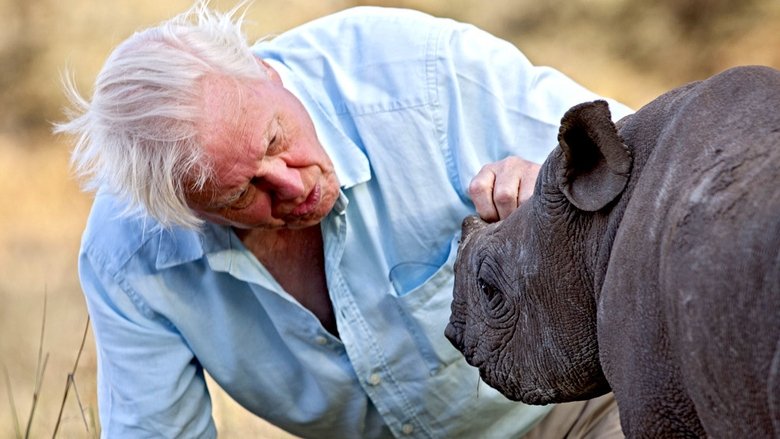
David Attenborough meets a baby rhino and wonders what the future holds for it.
Episode 6: The Future
David Attenborough meets a baby rhino and wonders what the future holds for it.
More like this
 Planet Earth II
David Attenborough presents a documentary series exploring how animals meet the challenges of surviving in the most iconic habitats on earth.
Planet Earth II
David Attenborough presents a documentary series exploring how animals meet the challenges of surviving in the most iconic habitats on earth.
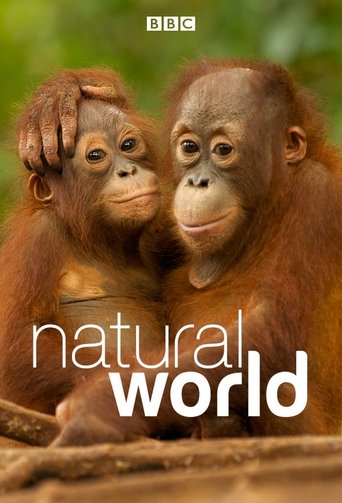 Natural World
 is a nature documentary television series broadcast annually on BBC Two and regarded by the BBC as its flagship natural history brand. It is currently the longest-running series in its genre on British television, with more than 400 episodes broadcast since its inception in 1983.
Natural World is produced by the BBC Natural History Unit in Bristol, but individual programmes can be in-house productions, collaborative productions with other broadcasters or films made and distributed by independent production companies and purchased by the BBC. Natural World programmes are often broadcast as PBS Nature episodes in the USA. Since 2008, most Natural World programmes have been shot and broadcast in high definition.
Natural World
Natural World is a nature documentary television series broadcast annually on BBC Two and regarded by the BBC as its flagship natural history brand. It is currently the longest-running series in its genre on British television, with more than 400 episodes broadcast since its inception in 1983.
Natural World is produced by the BBC Natural History Unit in Bristol, but individual programmes can be in-house productions, collaborative productions with other broadcasters or films made and distributed by independent production companies and purchased by the BBC. Natural World programmes are often broadcast as PBS Nature episodes in the USA. Since 2008, most Natural World programmes have been shot and broadcast in high definition.
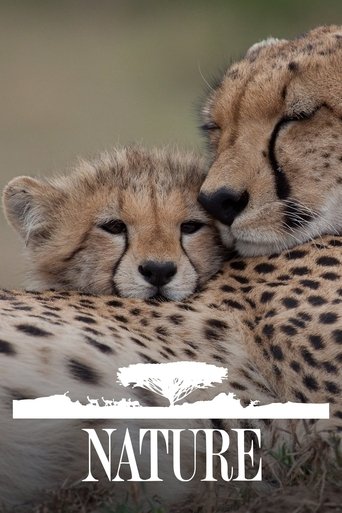 Nature
Consistently stunning documentaries transport viewers to far-flung locations ranging from the torrid African plains to the chilly splendours of icy Antarctica. The show's primary focus is on animals and ecosystems around the world. A comic book based on the show, meant to be used an as educational tool for kids, was briefly distributed to museums and schools at no cost in the mid-2000s.
Nature
Consistently stunning documentaries transport viewers to far-flung locations ranging from the torrid African plains to the chilly splendours of icy Antarctica. The show's primary focus is on animals and ecosystems around the world. A comic book based on the show, meant to be used an as educational tool for kids, was briefly distributed to museums and schools at no cost in the mid-2000s.
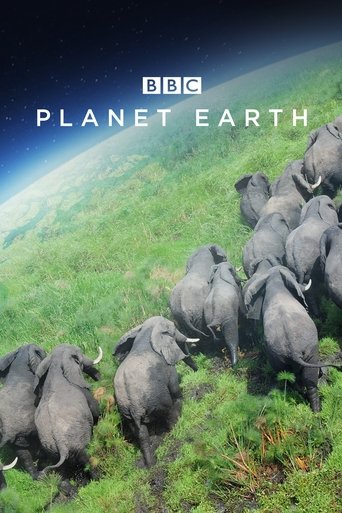 Planet Earth
David Attenborough celebrates the amazing variety of the natural world in this epic documentary series, filmed over four years across 64 different countries.
Planet Earth
David Attenborough celebrates the amazing variety of the natural world in this epic documentary series, filmed over four years across 64 different countries.
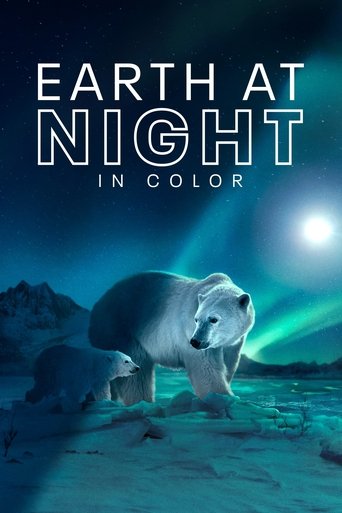 Earth at Night in Colour
Filmed across six continents, this docuseries uses cutting-edge camera technology to capture animals' nocturnal lives, revealing new behaviours filmed in full color like never before.
Earth at Night in Colour
Filmed across six continents, this docuseries uses cutting-edge camera technology to capture animals' nocturnal lives, revealing new behaviours filmed in full color like never before.
 Great Migrations
Shot from land and air, in trees and cliff-blinds, on ice floes and underwater, this documentary tells the powerful stories of many of the planet's species and their movements, while revealing new scientific insights with breathtaking high-definition clarity and emotional impact. The beauty of these stories is underscored by a new focus into these species; fragile existence and their life-and-death quest for survival in an ever-changing world.
Great Migrations
Shot from land and air, in trees and cliff-blinds, on ice floes and underwater, this documentary tells the powerful stories of many of the planet's species and their movements, while revealing new scientific insights with breathtaking high-definition clarity and emotional impact. The beauty of these stories is underscored by a new focus into these species; fragile existence and their life-and-death quest for survival in an ever-changing world.
 Night on Earth
This nature series’ new technology lifts night’s veil to reveal the hidden lives of the world’s creatures, from lions on the hunt to bats on the wing.
Night on Earth
This nature series’ new technology lifts night’s veil to reveal the hidden lives of the world’s creatures, from lions on the hunt to bats on the wing.
 The Life of Mammals
David Attenborough presents a nature documentary series looking at why mammals are the most successful creatures on the planet.
The Life of Mammals
David Attenborough presents a nature documentary series looking at why mammals are the most successful creatures on the planet.
 Welcome to Earth
Will Smith whose curiosity and wonder is positively infectious—is guided by National Geographic Explorers traveling to different corners of the world to get up close and personal with the weirdest, most unusual, dangerous and thrilling spectacles of the planet.
Welcome to Earth
Will Smith whose curiosity and wonder is positively infectious—is guided by National Geographic Explorers traveling to different corners of the world to get up close and personal with the weirdest, most unusual, dangerous and thrilling spectacles of the planet.
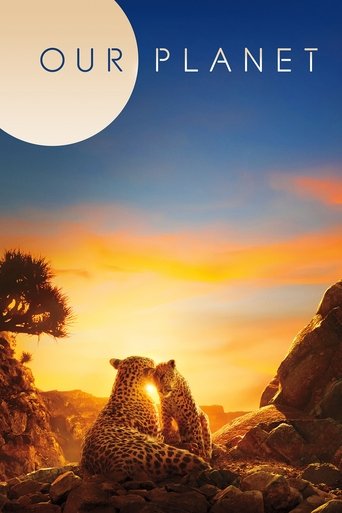 Our Planet
Experience our planet's natural beauty and examine how climate change impacts all living creatures in this ambitious documentary of spectacular scope.
Our Planet
Experience our planet's natural beauty and examine how climate change impacts all living creatures in this ambitious documentary of spectacular scope.