TV series
How the Universe Works
Overview
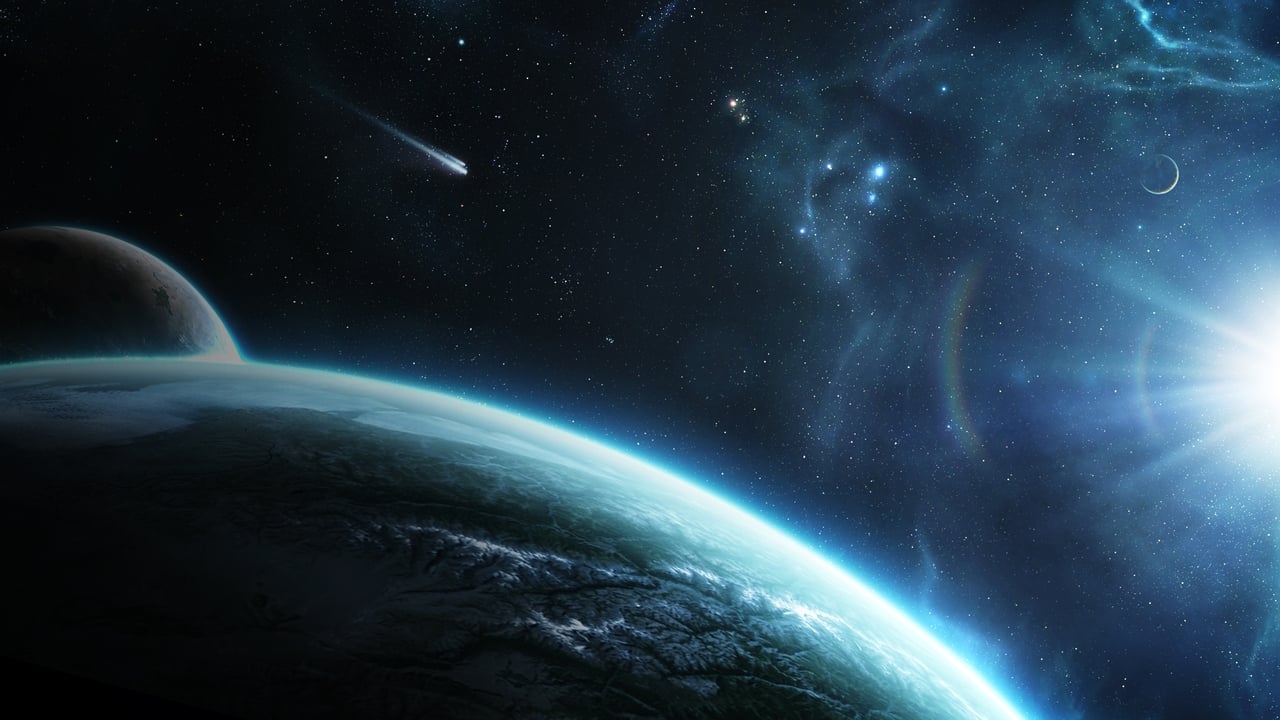
A users' guide to the cosmos, from the Big Bang to galaxies, stars, planets and moons: where did it all come from and how does it all fit together? A primer for anyone who has ever looked up at the night sky and wondered.
Details
- First air date
- 2010-04-25
- Status
- Ended
- Seasons
- 11 seasons
- Episodes
- 93 episodes
- Genres
- Documentary
- Network
- Science, Discovery
- Production
- Discovery
- Country
- US
- Original language
- EN
Cast
- Mike Rowe as Narrator
- Erik Dellums as Himself - Narrator
- Michelle Thaller as Self - Astronomer
- Phil Plait as Self - Astronomer
- Nina Lanza as Self - Planetary Scientist
- Hakeem Muata Oluseyi as Self - Astrophysicist
- Moogega Cooper as Self - Planetary Protection Engineer
- Jani Radebaugh as Self - Planetary Scientist
- Dan Durda as Self - Planetary Scientist
- Kevin J. Walsh as Self - Astronomer
- Paul M Sutter as Self - Astrophysicist
- James S. Bullock as Self - Astrophysicist
Seasons

More like this
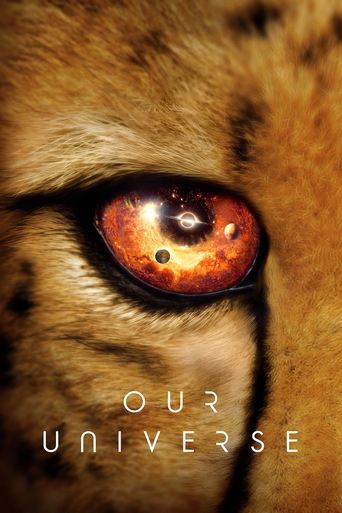 Our Universe
Witness the remarkable story of our universe over billions of years and its inextricable link to life on Earth in this sweeping documentary series.
Our Universe
Witness the remarkable story of our universe over billions of years and its inextricable link to life on Earth in this sweeping documentary series.
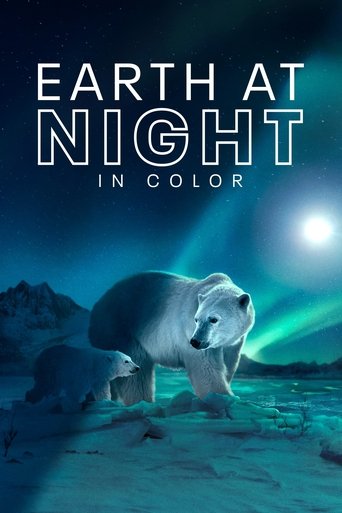 Earth at Night in Colour
Filmed across six continents, this docuseries uses cutting-edge camera technology to capture animals' nocturnal lives, revealing new behaviours filmed in full color like never before.
Earth at Night in Colour
Filmed across six continents, this docuseries uses cutting-edge camera technology to capture animals' nocturnal lives, revealing new behaviours filmed in full color like never before.
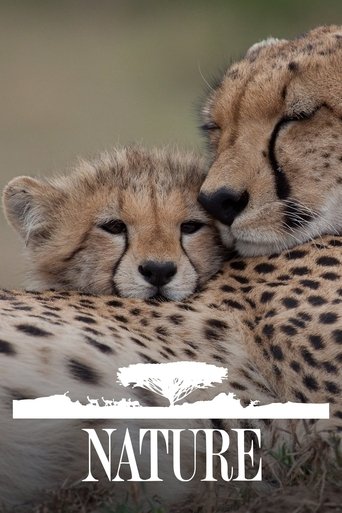 Nature
Consistently stunning documentaries transport viewers to far-flung locations ranging from the torrid African plains to the chilly splendours of icy Antarctica. The show's primary focus is on animals and ecosystems around the world. A comic book based on the show, meant to be used an as educational tool for kids, was briefly distributed to museums and schools at no cost in the mid-2000s.
Nature
Consistently stunning documentaries transport viewers to far-flung locations ranging from the torrid African plains to the chilly splendours of icy Antarctica. The show's primary focus is on animals and ecosystems around the world. A comic book based on the show, meant to be used an as educational tool for kids, was briefly distributed to museums and schools at no cost in the mid-2000s.
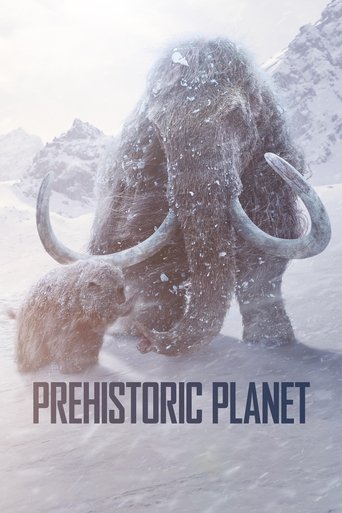 Prehistoric Planet
Experience the wonders of our world like never before in this epic series from Jon Favreau and the producers of Planet Earth. Travel back 66 million years to when majestic dinosaurs and extraordinary creatures roamed the lands, seas, and skies.
Prehistoric Planet
Experience the wonders of our world like never before in this epic series from Jon Favreau and the producers of Planet Earth. Travel back 66 million years to when majestic dinosaurs and extraordinary creatures roamed the lands, seas, and skies.
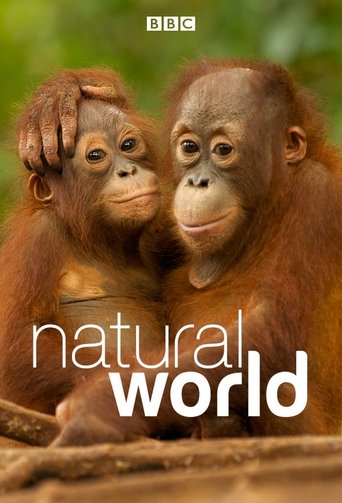 Natural World
 is a nature documentary television series broadcast annually on BBC Two and regarded by the BBC as its flagship natural history brand. It is currently the longest-running series in its genre on British television, with more than 400 episodes broadcast since its inception in 1983.
Natural World is produced by the BBC Natural History Unit in Bristol, but individual programmes can be in-house productions, collaborative productions with other broadcasters or films made and distributed by independent production companies and purchased by the BBC. Natural World programmes are often broadcast as PBS Nature episodes in the USA. Since 2008, most Natural World programmes have been shot and broadcast in high definition.
Natural World
Natural World is a nature documentary television series broadcast annually on BBC Two and regarded by the BBC as its flagship natural history brand. It is currently the longest-running series in its genre on British television, with more than 400 episodes broadcast since its inception in 1983.
Natural World is produced by the BBC Natural History Unit in Bristol, but individual programmes can be in-house productions, collaborative productions with other broadcasters or films made and distributed by independent production companies and purchased by the BBC. Natural World programmes are often broadcast as PBS Nature episodes in the USA. Since 2008, most Natural World programmes have been shot and broadcast in high definition.
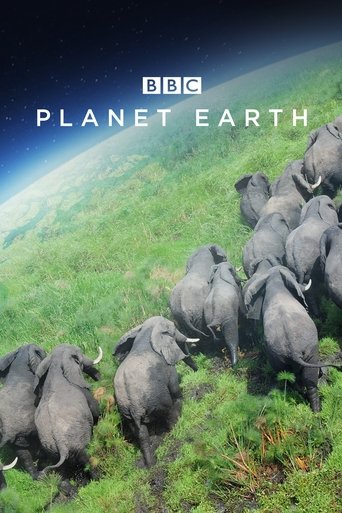 Planet Earth
David Attenborough celebrates the amazing variety of the natural world in this epic documentary series, filmed over four years across 64 different countries.
Planet Earth
David Attenborough celebrates the amazing variety of the natural world in this epic documentary series, filmed over four years across 64 different countries.
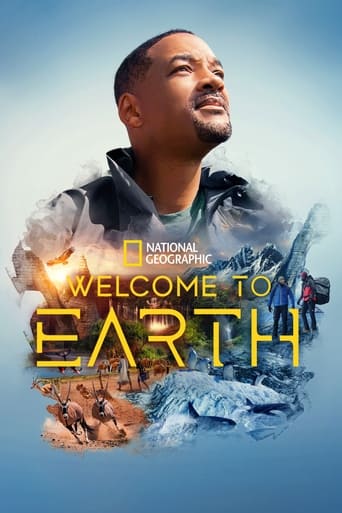 Welcome to Earth
Will Smith whose curiosity and wonder is positively infectious—is guided by National Geographic Explorers traveling to different corners of the world to get up close and personal with the weirdest, most unusual, dangerous and thrilling spectacles of the planet.
Welcome to Earth
Will Smith whose curiosity and wonder is positively infectious—is guided by National Geographic Explorers traveling to different corners of the world to get up close and personal with the weirdest, most unusual, dangerous and thrilling spectacles of the planet.
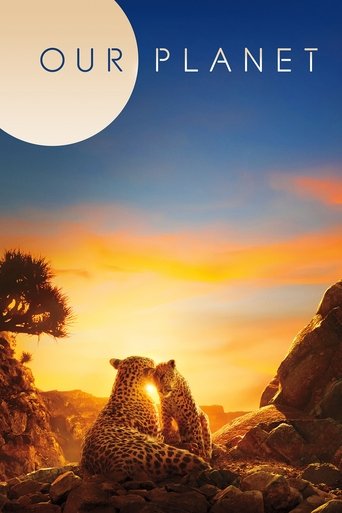 Our Planet
Experience our planet's natural beauty and examine how climate change impacts all living creatures in this ambitious documentary of spectacular scope.
Our Planet
Experience our planet's natural beauty and examine how climate change impacts all living creatures in this ambitious documentary of spectacular scope.
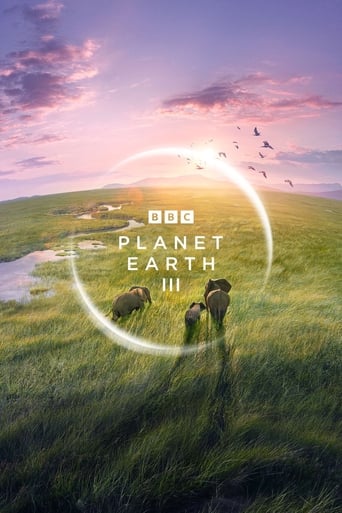 Planet Earth III
Journeying to the far reaches of our planet, this eight part series follows some of the world's most amazing species, telling extraordinary stories that are dramatic, thrilling, funny and sometimes heart-breaking, but always full of hope.
Planet Earth III
Journeying to the far reaches of our planet, this eight part series follows some of the world's most amazing species, telling extraordinary stories that are dramatic, thrilling, funny and sometimes heart-breaking, but always full of hope.
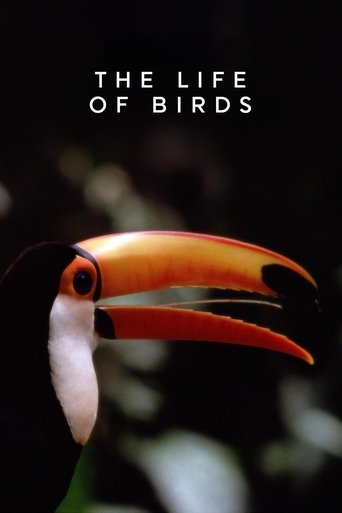 The Life of Birds
In the documentary series produced by the BBC, The Life of Birds, Sir David Attenborough unveils a new investigation into the behaviour of birds, perfectly adapted animals that conquer the air. This ten-part series reveals the secret of the birds' great success, their remarkable strategies for finding food, their complex social systems, and their ingenious and often bizarre ways of mating and breeding. From the high speed of large airborne hunters to long distance migrations or the bright colors of nectar feeding hummingbirds, this is the ultimate bird series that every ornithologist should not miss.
The Life of Birds
In the documentary series produced by the BBC, The Life of Birds, Sir David Attenborough unveils a new investigation into the behaviour of birds, perfectly adapted animals that conquer the air. This ten-part series reveals the secret of the birds' great success, their remarkable strategies for finding food, their complex social systems, and their ingenious and often bizarre ways of mating and breeding. From the high speed of large airborne hunters to long distance migrations or the bright colors of nectar feeding hummingbirds, this is the ultimate bird series that every ornithologist should not miss.