Tập
NOVA: Episode 10
Tóm tắt
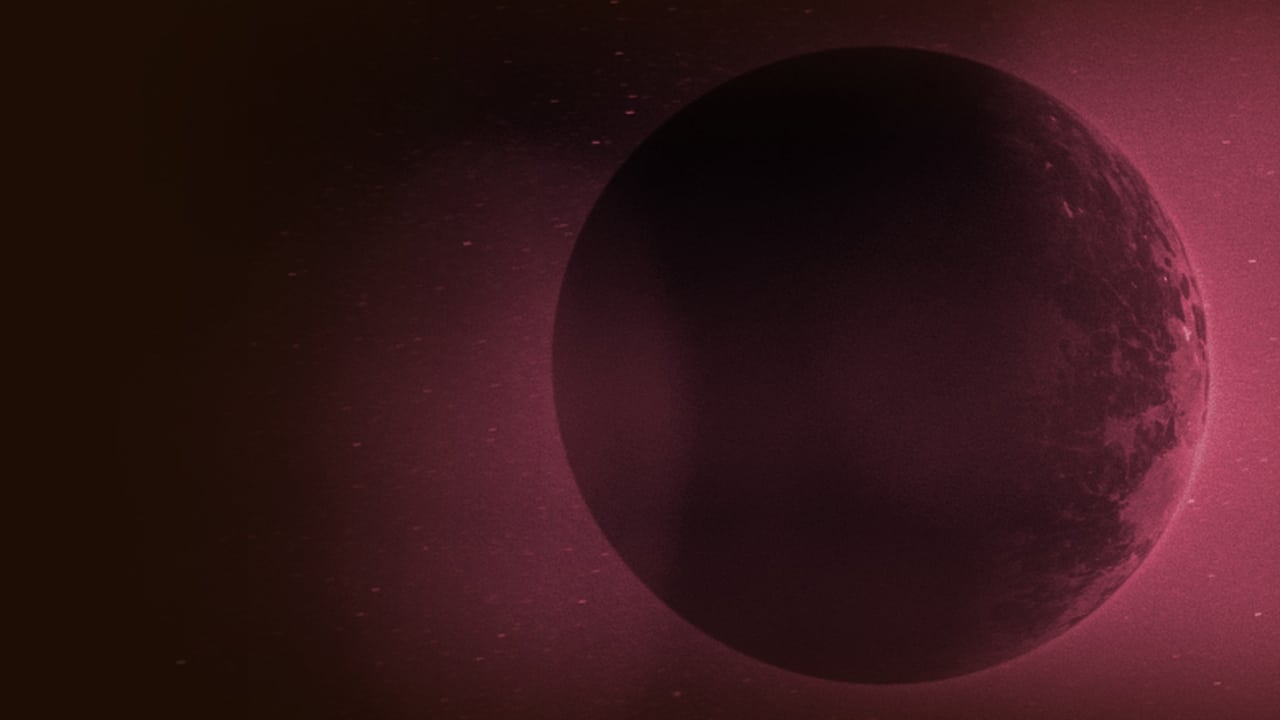
It’s a golden age for planet hunters: NASA's Kepler mission has identified more than 3,500 potential planets orbiting stars beyond our Sun. Some of them, like a planet called Kepler-22b, might even be able to harbor life. How did we come upon this distant planet?
Chi tiết
- Phim bộ
- NOVA
- Mùa
- Mùa 41
- Tập
- Tập 10
- Ngày phát sóng
- 2014-01-08
- Thời lượng
- 55 min
Thông tin tập
Episode 10 là tập 10 trong Season 41 của NOVA. Tập này phát sóng ngày 2014-01-08. Thời lượng là 55 min.
Tập trước / tập sau
 Tập 9
The asteroid that exploded over Siberia—injuring more than 1,000 and damaging buildings in six cities—was a shocking reminder that Earth is a target in a cosmic shooting range. From the width of a football field to the size of a small city, these space rocks have the potential to be killers. In a collision with Earth, they could set off deadly blast waves, raging fires and colossal tidal waves. But some audacious entrepreneurs look up at asteroids and see payday, not doomsday. Some asteroids are loaded with billions of dollars’ worth of elements like iron, nickel, and platinum. NASA is planning an ambitious mission to return samples from a potentially hazardous asteroid, and would-be asteroid miners are dreaming up their own program to scout for potentially profitable asteroids. Will asteroids turn out to be our economic salvation—or instruments of extinction?
Tập 9
The asteroid that exploded over Siberia—injuring more than 1,000 and damaging buildings in six cities—was a shocking reminder that Earth is a target in a cosmic shooting range. From the width of a football field to the size of a small city, these space rocks have the potential to be killers. In a collision with Earth, they could set off deadly blast waves, raging fires and colossal tidal waves. But some audacious entrepreneurs look up at asteroids and see payday, not doomsday. Some asteroids are loaded with billions of dollars’ worth of elements like iron, nickel, and platinum. NASA is planning an ambitious mission to return samples from a potentially hazardous asteroid, and would-be asteroid miners are dreaming up their own program to scout for potentially profitable asteroids. Will asteroids turn out to be our economic salvation—or instruments of extinction?
 Tập 11
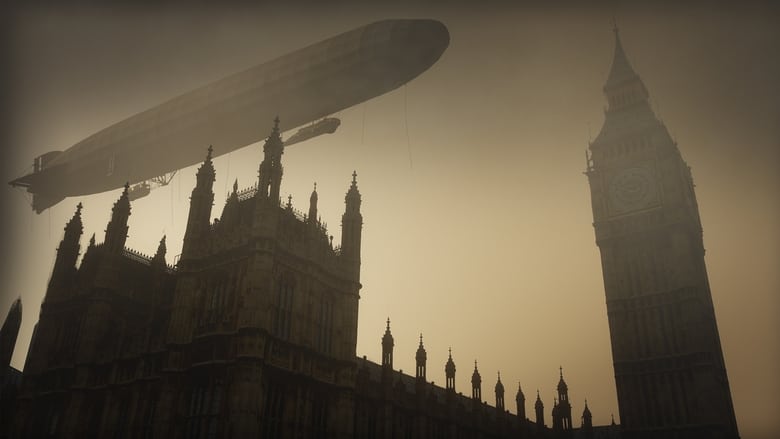
NOVA investigates the technology behind the World War One Zeppelin bombing campaigns, both the airships themselves and the weapons used to try to bring them down.
Tập 11
NOVA investigates the technology behind the World War One Zeppelin bombing campaigns, both the airships themselves and the weapons used to try to bring them down.
Các tập khác trong mùa này
 Tập 8
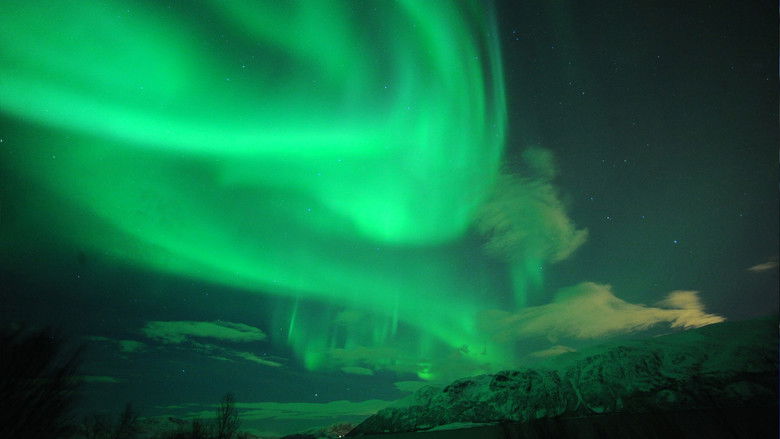
Between the blue sky above and the infinite blackness beyond lies a frontier that scientists have only just begun to investigate. In "At the Edge of Space," NOVA takes viewers on a spectacular exploration of the Earth-space boundary that's home to some of nature's most puzzling and alluring phenomena: the shimmering aurora, streaking meteors, and fleeting flashes that shoot upwards from thunderclouds, known as sprites. Only discovered in 1989, sprites have eluded capture because they exist for a mere split-second—40-times faster than an eye blink. NOVA rides with scientists in a high-flying weather observation plane on a hunt for sprites, finally snaring them in 3D video and gaining vital clues to unraveling their mystery. Combining advanced video technology with stunning footage shot from the International Space Station, "At the Edge of Space" probes the boundary zone and offers an entirely new perspective on our home planet.
Tập 8
Between the blue sky above and the infinite blackness beyond lies a frontier that scientists have only just begun to investigate. In "At the Edge of Space," NOVA takes viewers on a spectacular exploration of the Earth-space boundary that's home to some of nature's most puzzling and alluring phenomena: the shimmering aurora, streaking meteors, and fleeting flashes that shoot upwards from thunderclouds, known as sprites. Only discovered in 1989, sprites have eluded capture because they exist for a mere split-second—40-times faster than an eye blink. NOVA rides with scientists in a high-flying weather observation plane on a hunt for sprites, finally snaring them in 3D video and gaining vital clues to unraveling their mystery. Combining advanced video technology with stunning footage shot from the International Space Station, "At the Edge of Space" probes the boundary zone and offers an entirely new perspective on our home planet.
 Tập 12
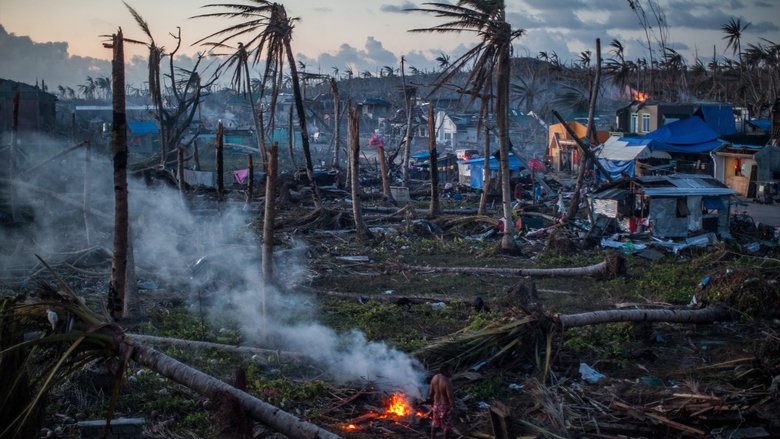
It was the strongest cyclone to hit land in recorded history. On November 8, 2013, Typhoon Haiyan slammed into the Philippines, whipping the low-lying and densely-populated islands with 200 mph winds and sending a two-story-high storm surge flooding into homes, schools, and hospitals. It wiped villages off the map and devastated cities, including the hard-hit provincial capital Tacloban. Estimates count more than 5,000 dead and millions homeless. What made Haiyan so destructive? Meteorologists charged with tracking Pacific storms reveal why the Pacific is such fertile ground for cyclones, and NOVA’s film crew documents how conditions dramatically deteriorated in the storm’s aftermath, as impassable roads and shuttered gas stations paralyzed the critical relief effort, leaving food, water, and medicine to pile up at the airport. Disaster preparedness experts scramble to understand why the Philippines was so vulnerable. As climate change and sea level rise threaten millions of the world’s most impoverished people with stronger, and perhaps more frequent, storms, how can we prepare for the next monster typhoon?
Tập 12
It was the strongest cyclone to hit land in recorded history. On November 8, 2013, Typhoon Haiyan slammed into the Philippines, whipping the low-lying and densely-populated islands with 200 mph winds and sending a two-story-high storm surge flooding into homes, schools, and hospitals. It wiped villages off the map and devastated cities, including the hard-hit provincial capital Tacloban. Estimates count more than 5,000 dead and millions homeless. What made Haiyan so destructive? Meteorologists charged with tracking Pacific storms reveal why the Pacific is such fertile ground for cyclones, and NOVA’s film crew documents how conditions dramatically deteriorated in the storm’s aftermath, as impassable roads and shuttered gas stations paralyzed the critical relief effort, leaving food, water, and medicine to pile up at the airport. Disaster preparedness experts scramble to understand why the Philippines was so vulnerable. As climate change and sea level rise threaten millions of the world’s most impoverished people with stronger, and perhaps more frequent, storms, how can we prepare for the next monster typhoon?
 Tập 7
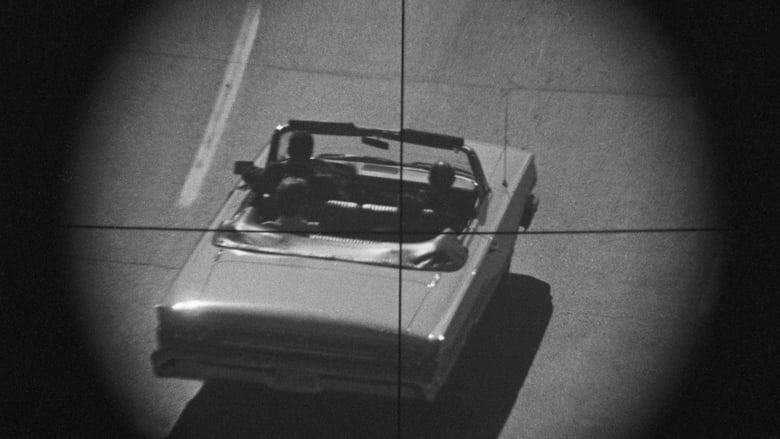
For decades, the assassination of John F. Kennedy has fueled dark rumors of conspiracies and mishandled evidence. Now, fifty years later, NOVA asks: Could modern investigators do better? We’ll see how state-of-the art forensic tools would be applied to the investigation were it to happen today. At the same time, NOVA takes a critical look at contemporary cases, like the murders of Nicole Brown Simpson and Ronald Goldman, to reveal how charges of evidence mishandling and human error can mar even scientifically sophisticated detective work.
Tập 7
For decades, the assassination of John F. Kennedy has fueled dark rumors of conspiracies and mishandled evidence. Now, fifty years later, NOVA asks: Could modern investigators do better? We’ll see how state-of-the art forensic tools would be applied to the investigation were it to happen today. At the same time, NOVA takes a critical look at contemporary cases, like the murders of Nicole Brown Simpson and Ronald Goldman, to reveal how charges of evidence mishandling and human error can mar even scientifically sophisticated detective work.
 Tập 13
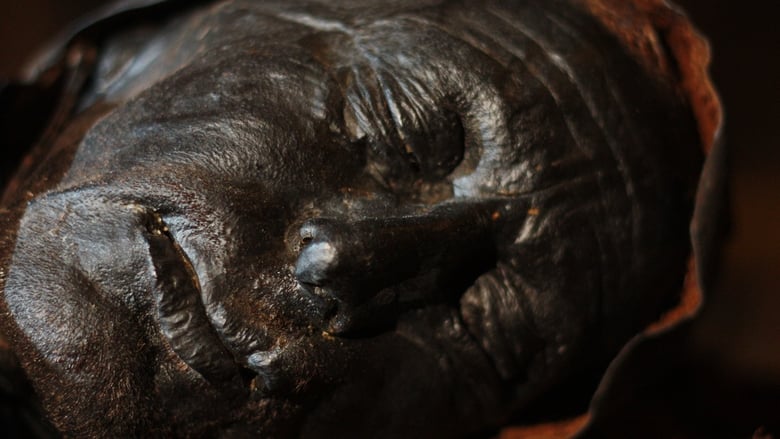
In the rolling hills of Ireland's County Tipperary, a laborer harvesting peat from a dried-up bog spots the remnants of a corpse and stops his machine just in time, revealing a headless torso almost perfectly preserved and stained dark brown by the bog. Archeologists recognize the corpse as one of Europe's rare bog bodies: prehistoric corpses flung into marshes with forensic clues often suggesting execution or human sacrifice. The corpse will eventually be dated to the Bronze Age, over 3,000 years ago. Many of these were victims of shocking violence, showing evidence of axe blows, hanging, and stab wounds. Like a crime thriller, NOVA follows archaeologists and forensic experts in their methodical hunt for clues to the identity and the circumstances of this and other violent deaths of bog body victims. A new theory emerges that they are those of ritually murdered kings, gruesomely slain to assure the fertility of land and people. NOVA’s ancient detective story opens a tantalizing window on the strange beliefs of Europe's long vanished prehistoric peoples.
Tập 13
In the rolling hills of Ireland's County Tipperary, a laborer harvesting peat from a dried-up bog spots the remnants of a corpse and stops his machine just in time, revealing a headless torso almost perfectly preserved and stained dark brown by the bog. Archeologists recognize the corpse as one of Europe's rare bog bodies: prehistoric corpses flung into marshes with forensic clues often suggesting execution or human sacrifice. The corpse will eventually be dated to the Bronze Age, over 3,000 years ago. Many of these were victims of shocking violence, showing evidence of axe blows, hanging, and stab wounds. Like a crime thriller, NOVA follows archaeologists and forensic experts in their methodical hunt for clues to the identity and the circumstances of this and other violent deaths of bog body victims. A new theory emerges that they are those of ritually murdered kings, gruesomely slain to assure the fertility of land and people. NOVA’s ancient detective story opens a tantalizing window on the strange beliefs of Europe's long vanished prehistoric peoples.
 Tập 6
The world has always been a dangerous place, so how do we increase our odds of survival? In "Making Stuff Safer," David Pogue explores the cutting-edge research of scientists and engineers who want to keep us out of harm’s way. Some are countering the threat of natural disasters with new firefighting materials and safer buildings. Others are at work on technologies to thwart terrorist attacks. A next-generation vaccine will save millions from deadly disease. And innovations like smarter cars and better sports gear will reduce the risk of everyday activities. We’ll never eliminate danger—but science and technology are making stuff safer.
Tập 6
The world has always been a dangerous place, so how do we increase our odds of survival? In "Making Stuff Safer," David Pogue explores the cutting-edge research of scientists and engineers who want to keep us out of harm’s way. Some are countering the threat of natural disasters with new firefighting materials and safer buildings. Others are at work on technologies to thwart terrorist attacks. A next-generation vaccine will save millions from deadly disease. And innovations like smarter cars and better sports gear will reduce the risk of everyday activities. We’ll never eliminate danger—but science and technology are making stuff safer.
 Tập 14
Beneath the streets of Rome lies a city of the dead known as the Catacombs—a labyrinth of tunnels, hundreds of miles long, lined with the neatly laid out tombs of the citizens of ancient Rome. Here, in 2002, maintenance workers fixing a broken water main stumbled upon a previously unknown burial chamber like none other in the complex. It was a mass grave of hundreds of bodies spread across six roughly carved caverns, locked away for nearly 2000 years. Who were these people? And can we discover, after all these centuries, what killed them? Could they be Christian martyrs massacred by the Emperor? Or were they felled by a deadly plague? In “Roman Catacomb Mystery,” NOVA’s forensic investigation follows a trail of ancient clues to uncover new secrets of life, death, and disease in the heyday of a mighty empire.
Tập 14
Beneath the streets of Rome lies a city of the dead known as the Catacombs—a labyrinth of tunnels, hundreds of miles long, lined with the neatly laid out tombs of the citizens of ancient Rome. Here, in 2002, maintenance workers fixing a broken water main stumbled upon a previously unknown burial chamber like none other in the complex. It was a mass grave of hundreds of bodies spread across six roughly carved caverns, locked away for nearly 2000 years. Who were these people? And can we discover, after all these centuries, what killed them? Could they be Christian martyrs massacred by the Emperor? Or were they felled by a deadly plague? In “Roman Catacomb Mystery,” NOVA’s forensic investigation follows a trail of ancient clues to uncover new secrets of life, death, and disease in the heyday of a mighty empire.
 Tập 5
Cold is the new hot in this brave new world. For centuries we've fought it, shunned it, and huddled against it. Cold has always been the enemy of life, but now it may hold the key to a new generation of science and technology that will improve our lives. In "Making Stuff Colder," David Pogue explores the frontiers of cold science from saving the lives of severe trauma patients to ultracold physics, where bizarre new properties of matter are the norm and the basis of new technologies like levitating trains and quantum computers.
Tập 5
Cold is the new hot in this brave new world. For centuries we've fought it, shunned it, and huddled against it. Cold has always been the enemy of life, but now it may hold the key to a new generation of science and technology that will improve our lives. In "Making Stuff Colder," David Pogue explores the frontiers of cold science from saving the lives of severe trauma patients to ultracold physics, where bizarre new properties of matter are the norm and the basis of new technologies like levitating trains and quantum computers.
 Tập 15
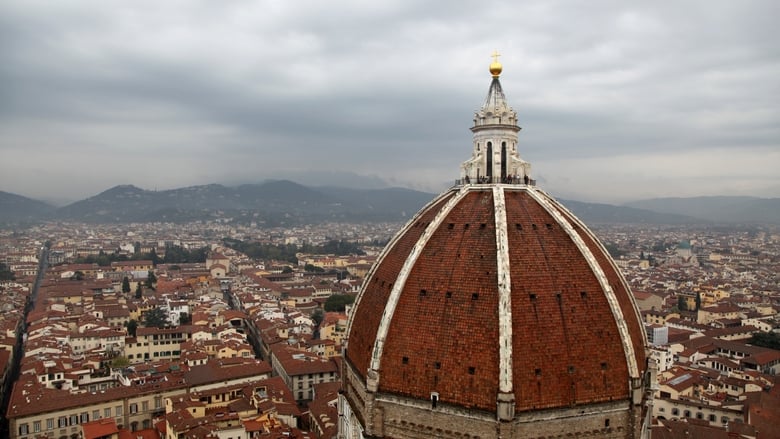
The dome that crowns Florence’s great cathedral of Santa Maria del Fiore—the Duomo—is a towering masterpiece of Renaissance ingenuity and an enduring source of mystery. Still the largest masonry dome on earth after more than six centuries, it is taller than the Statue of Liberty and weighs as much as an average cruise ship. Historians and engineers have long debated how its secretive architect, Filippo Brunelleschi, managed to keep the dome perfectly aligned and symmetrical as the sides rose and converged toward the center, 40 stories above the cathedral floor. His laborers toiled without safety nets, applying novel, untried methods. Over 4 million bricks might collapse at any moment—and we still don’t understand how Brunelleschi prevented it. To test the latest theories, a team of U.S. master bricklayers will help build a unique experimental model Duomo using period techniques. Will it stay intact during the final precarious stages of closing over the top of the dome?
Tập 15
The dome that crowns Florence’s great cathedral of Santa Maria del Fiore—the Duomo—is a towering masterpiece of Renaissance ingenuity and an enduring source of mystery. Still the largest masonry dome on earth after more than six centuries, it is taller than the Statue of Liberty and weighs as much as an average cruise ship. Historians and engineers have long debated how its secretive architect, Filippo Brunelleschi, managed to keep the dome perfectly aligned and symmetrical as the sides rose and converged toward the center, 40 stories above the cathedral floor. His laborers toiled without safety nets, applying novel, untried methods. Over 4 million bricks might collapse at any moment—and we still don’t understand how Brunelleschi prevented it. To test the latest theories, a team of U.S. master bricklayers will help build a unique experimental model Duomo using period techniques. Will it stay intact during the final precarious stages of closing over the top of the dome?
 Tập 4
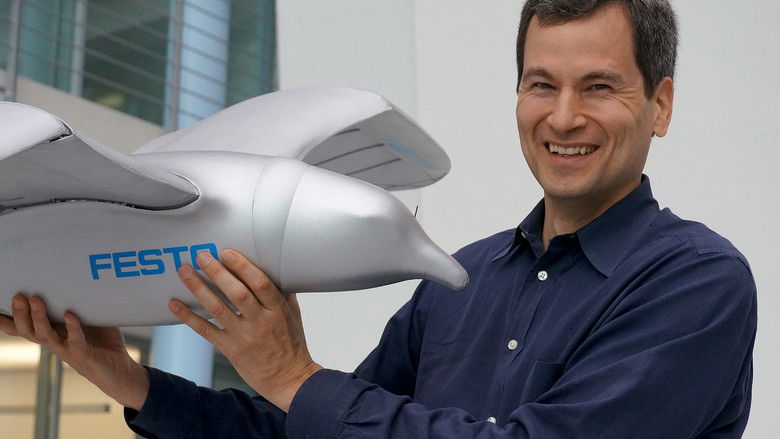
What happens when scientists open up nature's toolbox? In "Making Stuff Wilder," David Pogue explores bold new innovations inspired by the Earth's greatest inventor, life itself. From robotic "mules" and "cheetahs" for the military, to fabrics born out of fish slime, host David Pogue travels the globe to find the world’s wildest new inventions and technologies. It is a journey that sees today's microbes turned into tomorrow’s metallurgists, viruses building batteries, and ideas that change not just the stuff we make, but the way we make our stuff. As we develop our own new technologies, what can we learn from billions of years of nature’s research?
Tập 4
What happens when scientists open up nature's toolbox? In "Making Stuff Wilder," David Pogue explores bold new innovations inspired by the Earth's greatest inventor, life itself. From robotic "mules" and "cheetahs" for the military, to fabrics born out of fish slime, host David Pogue travels the globe to find the world’s wildest new inventions and technologies. It is a journey that sees today's microbes turned into tomorrow’s metallurgists, viruses building batteries, and ideas that change not just the stuff we make, but the way we make our stuff. As we develop our own new technologies, what can we learn from billions of years of nature’s research?
 Tập 16
Over the last few centuries we have shot, trapped, and skinned the predators that formerly thrived at the top of the food chain in the wild. Wild bears, wolves, and big cats are all in retreat, and a growing number of scientists are discovering that by eliminating predators, we have changed the environment. Removing predators from the wild has thrown ecosystems off-kilter, triggering domino effects that scientists are just beginning to understand. In "Wild Predator Invasion," NOVA follows scientists who are trying a simple but controversial solution: returning apex predators—like wolves, bears, and panthers—to their natural environments. Can these newly reintroduced predators restore the natural balance of their ecosystems without threatening the humans who live among them?
Tập 16
Over the last few centuries we have shot, trapped, and skinned the predators that formerly thrived at the top of the food chain in the wild. Wild bears, wolves, and big cats are all in retreat, and a growing number of scientists are discovering that by eliminating predators, we have changed the environment. Removing predators from the wild has thrown ecosystems off-kilter, triggering domino effects that scientists are just beginning to understand. In "Wild Predator Invasion," NOVA follows scientists who are trying a simple but controversial solution: returning apex predators—like wolves, bears, and panthers—to their natural environments. Can these newly reintroduced predators restore the natural balance of their ecosystems without threatening the humans who live among them?