
Tập
NOVA: Episode 13
Tóm tắt
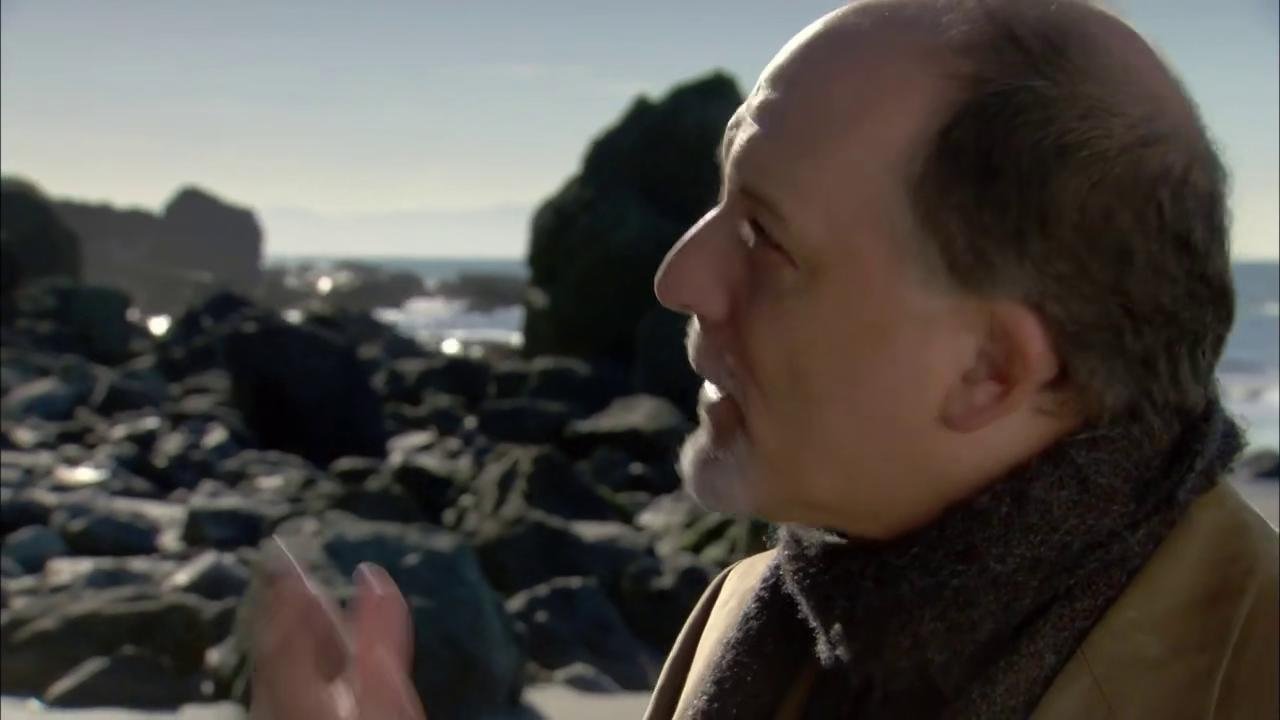
Augmenting human intelligence is a lot tougher than it looks, and the promise of "Hal" from 2001: A Space Odyssey is still just a fantasy. But scientists are edging closer with machines like "Watson," an IBM computing system that is gearing up for a first-of-its-kind challenge: taking on human contestants on the game show Jeopardy! With a brain the size of 2,400 home computers and a database of about 10 million documents, will Watson be able to compute its way to victory? Given the complexity of human language, could any computer truly understand it? It remains to be seen if this amalgam of circuits and silicon can really take us closer to the dream of a fully developed artificial intelligence, a truly "conscious" machine. Win or lose, the difficulty of mimicking the human thought process with software is showing artificial-intelligence researchers that there's more than one way to be "intelligent."
Chi tiết
- Phim bộ
- NOVA
- Mùa
- Mùa 38
- Tập
- Tập 13
- Ngày phát sóng
- 2011-02-09
- Thời lượng
- 55 min
Thông tin tập
Episode 13 là tập 13 trong Season 38 của NOVA. Tập này phát sóng ngày 2011-02-09. Thời lượng là 55 min.
Tập trước / tập sau
 Tập 12
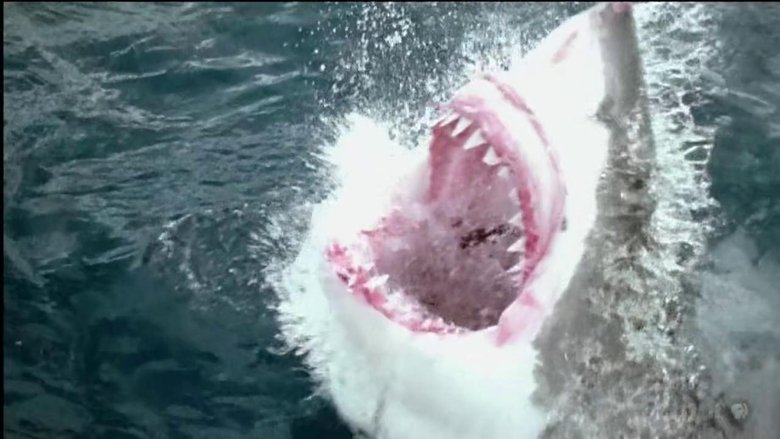
"Making Stuff: Smarter" looks at materials that respond to their environments and even learn, such as an airplane wing that changes shape as it flies. Scientists are turning to nature in developing such "smart" stuff. Sharkskin, for instance, has inspired a substance that, when sprayed in hospitals, could eliminate antibiotic-resistant bacteria. David Pogue visits a scientist who has even created a material that can render objects invisible. "Smarter" concludes with a vision of the ultimate in "life-like" stuff: programmable matter that could create a duplicate of a human being.
Tập 12
"Making Stuff: Smarter" looks at materials that respond to their environments and even learn, such as an airplane wing that changes shape as it flies. Scientists are turning to nature in developing such "smart" stuff. Sharkskin, for instance, has inspired a substance that, when sprayed in hospitals, could eliminate antibiotic-resistant bacteria. David Pogue visits a scientist who has even created a material that can render objects invisible. "Smarter" concludes with a vision of the ultimate in "life-like" stuff: programmable matter that could create a duplicate of a human being.
 Tập 14
On June 1, 2009, Flight AF447, an Air France Airbus A330 flying from Rio de Janeiro to Paris, disappeared over the Atlantic Ocean with the loss of all 228 lives. How could a state-of-the-art airliner with elaborate electronic safety and navigation features and a faultless safety record simply fall out of the sky? NOVA assembles a team of seasoned pilots, engineers, and safety experts to examine the evidence that emerged in the weeks following this horrific disaster. What led Flight 447's crew to fly straight into a towering thunderstorm? With expert testimony, satellite weather images, and messages transmitted by the doomed plane's computer system, NOVA pieces together the fatal chain of events.
Tập 14
On June 1, 2009, Flight AF447, an Air France Airbus A330 flying from Rio de Janeiro to Paris, disappeared over the Atlantic Ocean with the loss of all 228 lives. How could a state-of-the-art airliner with elaborate electronic safety and navigation features and a faultless safety record simply fall out of the sky? NOVA assembles a team of seasoned pilots, engineers, and safety experts to examine the evidence that emerged in the weeks following this horrific disaster. What led Flight 447's crew to fly straight into a towering thunderstorm? With expert testimony, satellite weather images, and messages transmitted by the doomed plane's computer system, NOVA pieces together the fatal chain of events.
Các tập khác trong mùa này
 Tập 11
Can innovations in materials science help clean up our world? In "Making Stuff: Cleaner," David Pogue explores the rapidly developing science and business of clean energy and examines alternative ways to generate it, store it, and distribute it. Is hydrogen the way to go? What about lithium batteries? Does this solve an energy problem or create a new dependency? Pogue investigates the latest developments in bio-based fuels and in harnessing solar energy for our cars, homes, and industry in a program full of the stuff of a sustainable future.
Tập 11
Can innovations in materials science help clean up our world? In "Making Stuff: Cleaner," David Pogue explores the rapidly developing science and business of clean energy and examines alternative ways to generate it, store it, and distribute it. Is hydrogen the way to go? What about lithium batteries? Does this solve an energy problem or create a new dependency? Pogue investigates the latest developments in bio-based fuels and in harnessing solar energy for our cars, homes, and industry in a program full of the stuff of a sustainable future.
 Tập 15
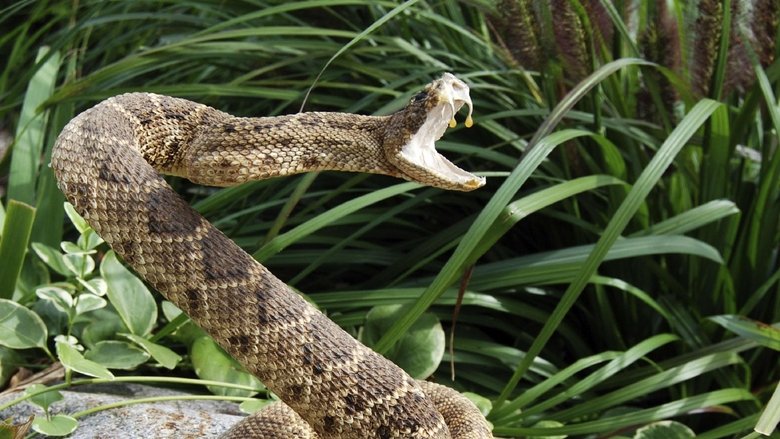
Over the millennia, thousands of creatures have developed that most sophisticated of biological and chemical weapons: venom. These complex chemicals can scramble your brain signals, paralyze your muscles, puncture your blood cells, even begin digesting you from within. But nature's most potent toxins might also contain the keys to a new generation of advanced drugs. Such drugs might help doctors treat heart attacks, cancer, diabetes, and other serious illnesses. Follow NOVA crews as they join scientists on a dangerous quest to track down and capture the world's most venomous animals - to find out both how they can kill us, and how they can save us.
Tập 15
Over the millennia, thousands of creatures have developed that most sophisticated of biological and chemical weapons: venom. These complex chemicals can scramble your brain signals, paralyze your muscles, puncture your blood cells, even begin digesting you from within. But nature's most potent toxins might also contain the keys to a new generation of advanced drugs. Such drugs might help doctors treat heart attacks, cancer, diabetes, and other serious illnesses. Follow NOVA crews as they join scientists on a dangerous quest to track down and capture the world's most venomous animals - to find out both how they can kill us, and how they can save us.
 Tập 10
How small can we go? Could we one day have robots taking "fantastic voyages" in our bodies to kill rogue cells? The triumphs of tiny are seen all around us in the Information Age: transistors, microchips, laptops, cell phones. Now, David Pogue takes NOVA viewers to an even smaller world in "Making Stuff: Smaller," examining the latest in high-powered nano-circuits and micro-robots that may one day hold the key to saving lives.
Tập 10
How small can we go? Could we one day have robots taking "fantastic voyages" in our bodies to kill rogue cells? The triumphs of tiny are seen all around us in the Information Age: transistors, microchips, laptops, cell phones. Now, David Pogue takes NOVA viewers to an even smaller world in "Making Stuff: Smaller," examining the latest in high-powered nano-circuits and micro-robots that may one day hold the key to saving lives.
 Tập 16
In its worst crisis since World War II, Japan faces disaster on an epic scale: a death toll likely in the tens of thousands, massive destruction of homes and businesses, shortages of water and power, and the specter of nuclear meltdown. With exclusive footage, NOVA captures the unfolding human drama and offers a clear-headed investigation of what triggered the earthquake, tsunami, and subsequent nuclear crisis. Can science and technology ever prevent devastation in the face of overwhelmingly powerful forces of nature?
Tập 16
In its worst crisis since World War II, Japan faces disaster on an epic scale: a death toll likely in the tens of thousands, massive destruction of homes and businesses, shortages of water and power, and the specter of nuclear meltdown. With exclusive footage, NOVA captures the unfolding human drama and offers a clear-headed investigation of what triggered the earthquake, tsunami, and subsequent nuclear crisis. Can science and technology ever prevent devastation in the face of overwhelmingly powerful forces of nature?
 Tập 9
What is the strongest material in the world? Is it steel, Kevlar, carbon nanotubes, or something entirely new? NOVA kicks off the four-part series "Making Stuff" with a quest for the world's strongest substances. Host David Pogue takes a look at what defines strength, examining everything from steel cables to mollusks to a toucan's beak. Pogue travels from the deck of a U.S. naval aircraft carrier to a demolition derby to the country's top research labs to check in with experts who are re-engineering what nature has given us to create the next generation of strong stuff.
Tập 9
What is the strongest material in the world? Is it steel, Kevlar, carbon nanotubes, or something entirely new? NOVA kicks off the four-part series "Making Stuff" with a quest for the world's strongest substances. Host David Pogue takes a look at what defines strength, examining everything from steel cables to mollusks to a toucan's beak. Pogue travels from the deck of a U.S. naval aircraft carrier to a demolition derby to the country's top research labs to check in with experts who are re-engineering what nature has given us to create the next generation of strong stuff.
 Tập 17
Can emerging technology defeat global warming? The United States has invested tens of billions of dollars in clean energy projects as our leaders try to save our crumbling economy and our poisoned planet in one bold, green stroke. Are we finally on the brink of a green-energy "power surge," or is it all a case of too little, too late?
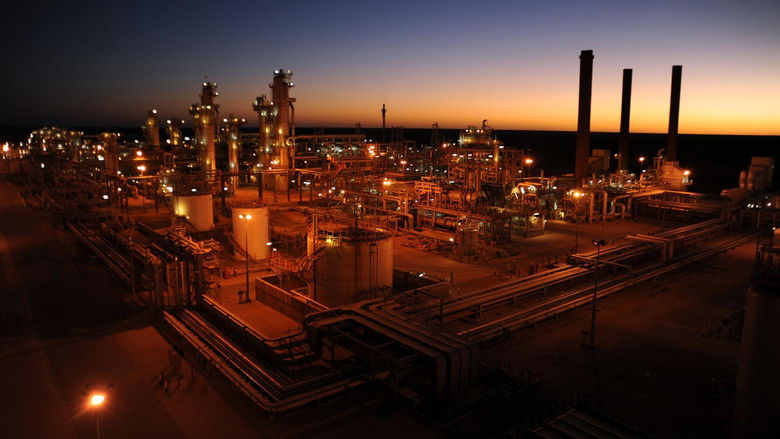
From solar panel factories in China to a carbon capture-and-storage facility in the Sahara desert to massive wind and solar installations in the United States, NOVA travels the globe to reveal the surprising technologies that just might turn back the clock on climate change. NOVA will focus on the latest and greatest innovations, including everything from artificial trees to green reboots of familiar technologies like coal and nuclear energy. Can our technology, which helped create this problem, now solve it?
Tập 17
Can emerging technology defeat global warming? The United States has invested tens of billions of dollars in clean energy projects as our leaders try to save our crumbling economy and our poisoned planet in one bold, green stroke. Are we finally on the brink of a green-energy "power surge," or is it all a case of too little, too late?
From solar panel factories in China to a carbon capture-and-storage facility in the Sahara desert to massive wind and solar installations in the United States, NOVA travels the globe to reveal the surprising technologies that just might turn back the clock on climate change. NOVA will focus on the latest and greatest innovations, including everything from artificial trees to green reboots of familiar technologies like coal and nuclear energy. Can our technology, which helped create this problem, now solve it?
 Tập 8
In 2010, several epic earthquakes delivered one of the worst annual death tolls ever recorded. The deadliest strike, in Haiti, killed more than 200,000 people and reduced homes, hospitals, schools, and the presidential palace to rubble. In exclusive coverage, a NOVA camera crew follows a team of U.S. geologists as they enter Haiti in the immediate aftermath of the tragedy. The team hunts for crucial evidence that will help them determine exactly what happened deep underground and what the risks are of a new killer quake. Barely a month after the Haiti quake, Chile was struck by a quake 100 times more powerful, unleashing a tsunami that put the entire Pacific coast on high alert. In a coastal town devastated by the rushing wave, NOVA follows a team of geologists as they battle aftershocks to measure the displacement caused by the earthquake. Could their work, and the work of geologists at earthquake hot spots around the U.S., one day lead to a breakthrough in predicting quakes before they happen? NOVA investigates compelling new leads in this profound scientific conundrum.
Tập 8
In 2010, several epic earthquakes delivered one of the worst annual death tolls ever recorded. The deadliest strike, in Haiti, killed more than 200,000 people and reduced homes, hospitals, schools, and the presidential palace to rubble. In exclusive coverage, a NOVA camera crew follows a team of U.S. geologists as they enter Haiti in the immediate aftermath of the tragedy. The team hunts for crucial evidence that will help them determine exactly what happened deep underground and what the risks are of a new killer quake. Barely a month after the Haiti quake, Chile was struck by a quake 100 times more powerful, unleashing a tsunami that put the entire Pacific coast on high alert. In a coastal town devastated by the rushing wave, NOVA follows a team of geologists as they battle aftershocks to measure the displacement caused by the earthquake. Could their work, and the work of geologists at earthquake hot spots around the U.S., one day lead to a breakthrough in predicting quakes before they happen? NOVA investigates compelling new leads in this profound scientific conundrum.
 Tập 18
Would you care to match wits with a dog, an octopus, a dolphin, or a parrot? You may think twice after watching the segments in this NOVA scienceNOW episode. While we may not be ready to send pets to Harvard, the remarkable footage and findings presented here demonstrate that many animal species are much smarter than we assume and in ways we had never imagined.
Tập 18
Would you care to match wits with a dog, an octopus, a dolphin, or a parrot? You may think twice after watching the segments in this NOVA scienceNOW episode. While we may not be ready to send pets to Harvard, the remarkable footage and findings presented here demonstrate that many animal species are much smarter than we assume and in ways we had never imagined.
 Tập 7
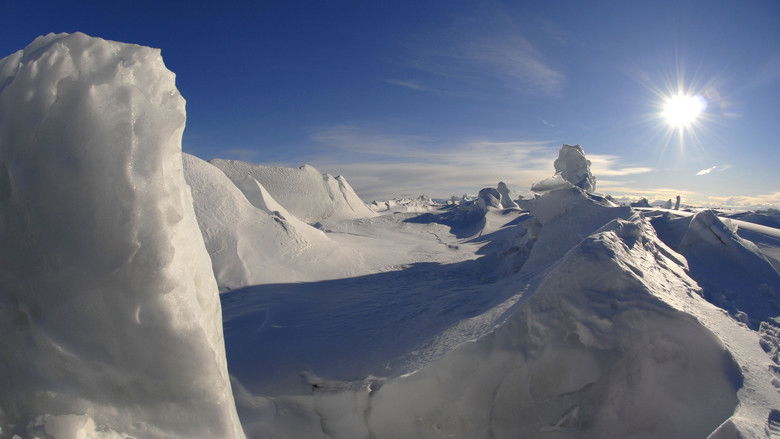
Almost three miles of ice buries most of Antarctica, cloaking a continent half again as large as the United States. But when an Antarctic ice shelf the size of Manhattan collapsed in less than a month in 2002, it shocked scientists and raised the alarming possibility that Antarctica may be headed for a meltdown. Even a ten percent loss of Antarctica's ice would cause catastrophic flooding of coastal cities unlike any seen before in human history. What are the chances of a widespread melt? "Secrets Beneath the Ice" explores whether Antarctica's climate past can offer clues to what may happen. NOVA follows a state-of-the-art expedition that is drilling three-quarters of a mile into the Antarctic seafloor. The drill is recovering rock cores that reveal intimate details of climate and fauna from a time in the distant past when the Earth was just a few degrees warmer than it is today. As researchers grapple with the harshest conditions on the planet, they discover astonishing new clues about Antarctica's past—clues that carry ominous implications for coastal cities around the globe.
Tập 7
Almost three miles of ice buries most of Antarctica, cloaking a continent half again as large as the United States. But when an Antarctic ice shelf the size of Manhattan collapsed in less than a month in 2002, it shocked scientists and raised the alarming possibility that Antarctica may be headed for a meltdown. Even a ten percent loss of Antarctica's ice would cause catastrophic flooding of coastal cities unlike any seen before in human history. What are the chances of a widespread melt? "Secrets Beneath the Ice" explores whether Antarctica's climate past can offer clues to what may happen. NOVA follows a state-of-the-art expedition that is drilling three-quarters of a mile into the Antarctic seafloor. The drill is recovering rock cores that reveal intimate details of climate and fauna from a time in the distant past when the Earth was just a few degrees warmer than it is today. As researchers grapple with the harshest conditions on the planet, they discover astonishing new clues about Antarctica's past—clues that carry ominous implications for coastal cities around the globe.
 Tập 6
Countless treasure-seekers have set off in search of King Solomon's mines, trekking through burning deserts and scaling the forbidding mountains of Africa and the Levant, inspired by the Bible's account of splendid temples and palaces adorned in glittering gold and copper. Yet to date, the evidence that has claimed to support the existence of Solomon and other early kings in the Bible has been highly controversial. In fact, so little physical evidence of the kings who ruled Israel and Edom has been found that many contend that they are no more real than King Arthur. In the summer of 2010, NOVA and National Geographic embarked on two cutting-edge field investigations that illuminate the legend of Solomon and reveal the source of the great wealth that powered the first mighty biblical kingdoms. These groundbreaking expeditions expose important new clues buried in the pockmarked desert of Jordan, including ancient remnants of an industrial-scale copper mine and a 3,000-year-old message with the words "slave," "king," and "judge."
Tập 6
Countless treasure-seekers have set off in search of King Solomon's mines, trekking through burning deserts and scaling the forbidding mountains of Africa and the Levant, inspired by the Bible's account of splendid temples and palaces adorned in glittering gold and copper. Yet to date, the evidence that has claimed to support the existence of Solomon and other early kings in the Bible has been highly controversial. In fact, so little physical evidence of the kings who ruled Israel and Edom has been found that many contend that they are no more real than King Arthur. In the summer of 2010, NOVA and National Geographic embarked on two cutting-edge field investigations that illuminate the legend of Solomon and reveal the source of the great wealth that powered the first mighty biblical kingdoms. These groundbreaking expeditions expose important new clues buried in the pockmarked desert of Jordan, including ancient remnants of an industrial-scale copper mine and a 3,000-year-old message with the words "slave," "king," and "judge."