
Tập
American Experience: Episode 11
Tóm tắt
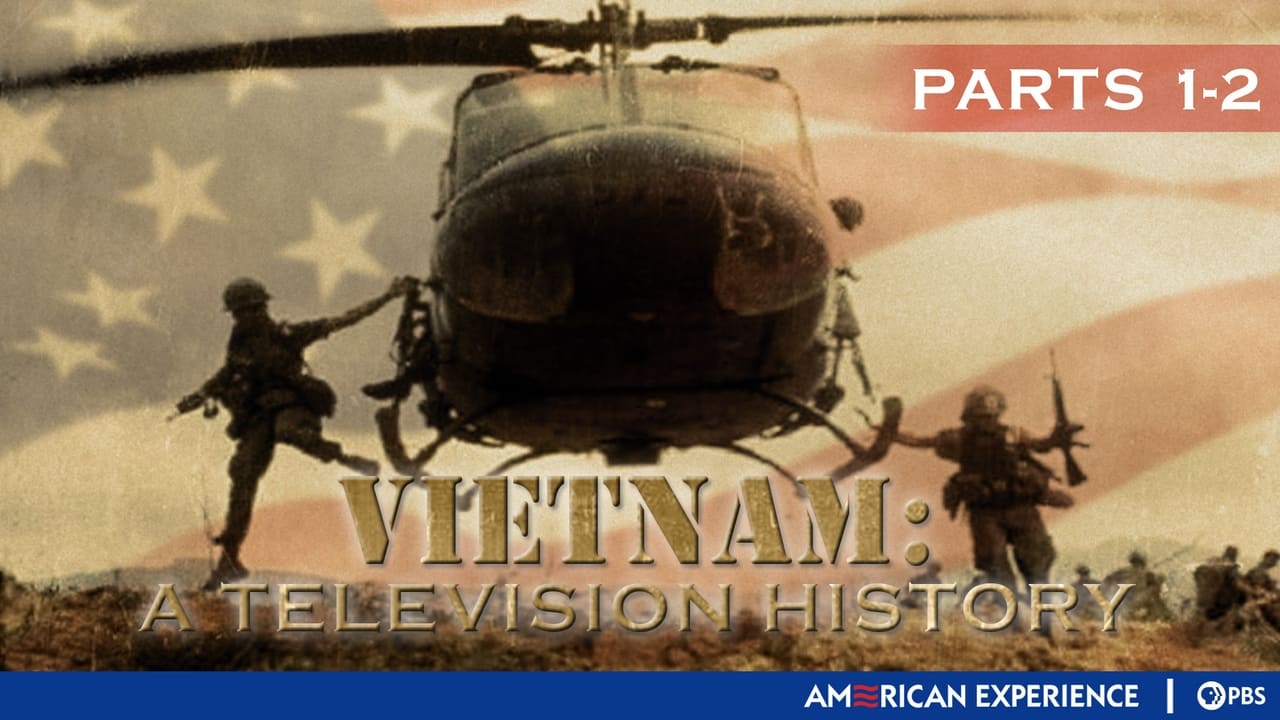
"Vietnam: A Television History" begins by tracing the "Roots of a War" to French colonialism. "America's Mandarin" looks at the start of America's involvement in Vietnam during the 1950s and '60s.
Chi tiết
- Phim bộ
- American Experience
- Mùa
- Mùa 9
- Tập
- Tập 11
- Ngày phát sóng
- 1997-05-26
- Thời lượng
- 55 min
Thông tin tập
Episode 11 là tập 11 trong Season 9 của American Experience. Tập này phát sóng ngày 1997-05-26. Thời lượng là 55 min.
Tập trước / tập sau
 Tập 10
The 1890's in America were desperate times. A depression brought bank and business failures and forced millions of men and women from their jobs. When gold was discovered in a frozen no man's land between Canada and Alaska, 100,000 people made the treacherous journey in search of riches.
Tập 10
The 1890's in America were desperate times. A depression brought bank and business failures and forced millions of men and women from their jobs. When gold was discovered in a frozen no man's land between Canada and Alaska, 100,000 people made the treacherous journey in search of riches.
 Tập 12
LBJ Goes to War (1964-65) examines the escalating American involvement following the Tonkin Gulf Resolution. Interviewed: Gen. William Westmoreland (USA Ret.) and former Secretary of State Dean Rusk.
Tập 12
LBJ Goes to War (1964-65) examines the escalating American involvement following the Tonkin Gulf Resolution. Interviewed: Gen. William Westmoreland (USA Ret.) and former Secretary of State Dean Rusk.
Các tập khác trong mùa này
 Tập 9
At the age of nineteen, Nellie Bly talked her way into an improbable job on a newspaper, then went on to become "the best reporter in America." She was serious and spunky. To expose abuse of the mentally ill, she had herself committed. But when she travelled around the world in just 72 days, beating Jules Verne's fictional escapade, she turned herself into a world celebrity.
Tập 9
At the age of nineteen, Nellie Bly talked her way into an improbable job on a newspaper, then went on to become "the best reporter in America." She was serious and spunky. To expose abuse of the mentally ill, she had herself committed. But when she travelled around the world in just 72 days, beating Jules Verne's fictional escapade, she turned herself into a world celebrity.
 Tập 13
In "America Takes Charge (1965-67)," GIs recall combat experiences during the years of U.S. military escalation. Also: a sequence in which Americans and Vietnamese describe the same operation.
Tập 13
In "America Takes Charge (1965-67)," GIs recall combat experiences during the years of U.S. military escalation. Also: a sequence in which Americans and Vietnamese describe the same operation.
 Tập 8
A story of the realities leading to the vanishing role of the family farm in the United States.
Tập 8
A story of the realities leading to the vanishing role of the family farm in the United States.
 Tập 14
As "Vietnam: A Television History" continues, "America's Enemy (1954-67)" examines the escalating war from the point of view of North Vietnamese leaders and their followers, beginning with the country's partition after the French defeat. Interviewed: former Premier Pham Van Dong.
Tập 14
As "Vietnam: A Television History" continues, "America's Enemy (1954-67)" examines the escalating war from the point of view of North Vietnamese leaders and their followers, beginning with the country's partition after the French defeat. Interviewed: former Premier Pham Van Dong.
 Tập 7
It began with the blizzard of 1888 -- mountains of snow twenty feet high, horse cars and omnibuses abandoned, the city paralyzed. There was no doubt New York needed a public transportation system. It would be an American epic -- the largest public works project in history, overshadowed only by the Panama Canal.
Tập 7
It began with the blizzard of 1888 -- mountains of snow twenty feet high, horse cars and omnibuses abandoned, the city paralyzed. There was no doubt New York needed a public transportation system. It would be an American epic -- the largest public works project in history, overshadowed only by the Panama Canal.
 Tập 15
Vietnam: A Television History": TV-news footage graphically recalls "Tet 1968," the bold North Vietnamese and Vietcong offensive. The attacks gave the enemy a "brilliant political victory" in the U.S, says former Secretary of State Dean Rusk.
Tập 15
Vietnam: A Television History": TV-news footage graphically recalls "Tet 1968," the bold North Vietnamese and Vietcong offensive. The attacks gave the enemy a "brilliant political victory" in the U.S, says former Secretary of State Dean Rusk.
 Tập 6
The little known story of Philo T. Farnsworth, a Utah farm boy who first sketched out his idea for electronic television at the age of fourteen. An eccentric genius, Farnsworth spent years battling corporate giants to receive acknowledgment for his invention.
Tập 6
The little known story of Philo T. Farnsworth, a Utah farm boy who first sketched out his idea for electronic television at the age of fourteen. An eccentric genius, Farnsworth spent years battling corporate giants to receive acknowledgment for his invention.
 Tập 16
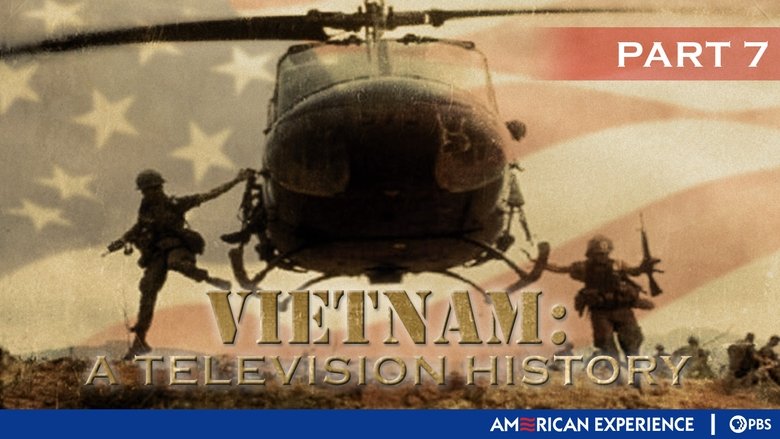
"Vietnam: A Television History": The gradual withdrawal of U.S. troops and their replacement by the South Vietnamese are recalled in "Vietnamizing the War (1968-73)." But morale was low among Americans still in the country, and veterans interviewed recall racial divisions and the availability of drugs.
Tập 16
"Vietnam: A Television History": The gradual withdrawal of U.S. troops and their replacement by the South Vietnamese are recalled in "Vietnamizing the War (1968-73)." But morale was low among Americans still in the country, and veterans interviewed recall racial divisions and the availability of drugs.
 Tập 5
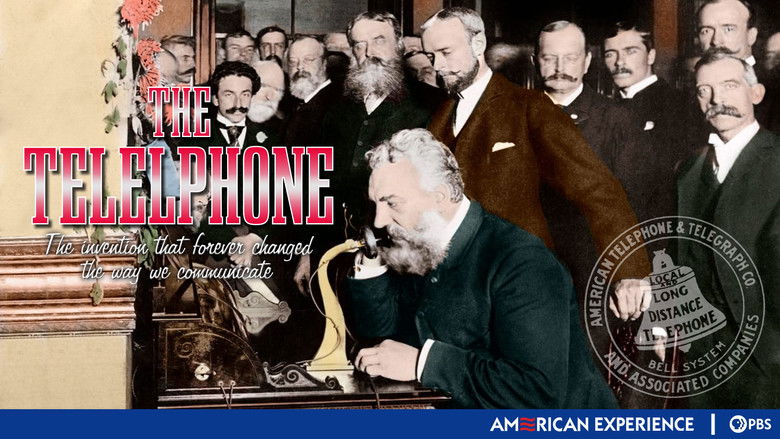
At first rented only "to persons of good breeding," seen as an expensive luxury for doctors and businessmen, within a decade the telephone had begun to transform American life. Trees gave way to telephone poles as operators known as "hello girls" began to connect a sprawling continent.
Tập 5
At first rented only "to persons of good breeding," seen as an expensive luxury for doctors and businessmen, within a decade the telephone had begun to transform American life. Trees gave way to telephone poles as operators known as "hello girls" began to connect a sprawling continent.
 Tập 17
America's involvement in—and secret bombing of—Cambodia and Laos are chronicled as "Vietnam: A Television History" continues. After the bombing halt in August 1973, the Communist Khmer Rouge advanced on the Cambodian capital of Phnom Penh, and finally, in April 1975, the city fell.
Tập 17
America's involvement in—and secret bombing of—Cambodia and Laos are chronicled as "Vietnam: A Television History" continues. After the bombing halt in August 1973, the Communist Khmer Rouge advanced on the Cambodian capital of Phnom Penh, and finally, in April 1975, the city fell.