Phim
Experimenter
Tóm tắt
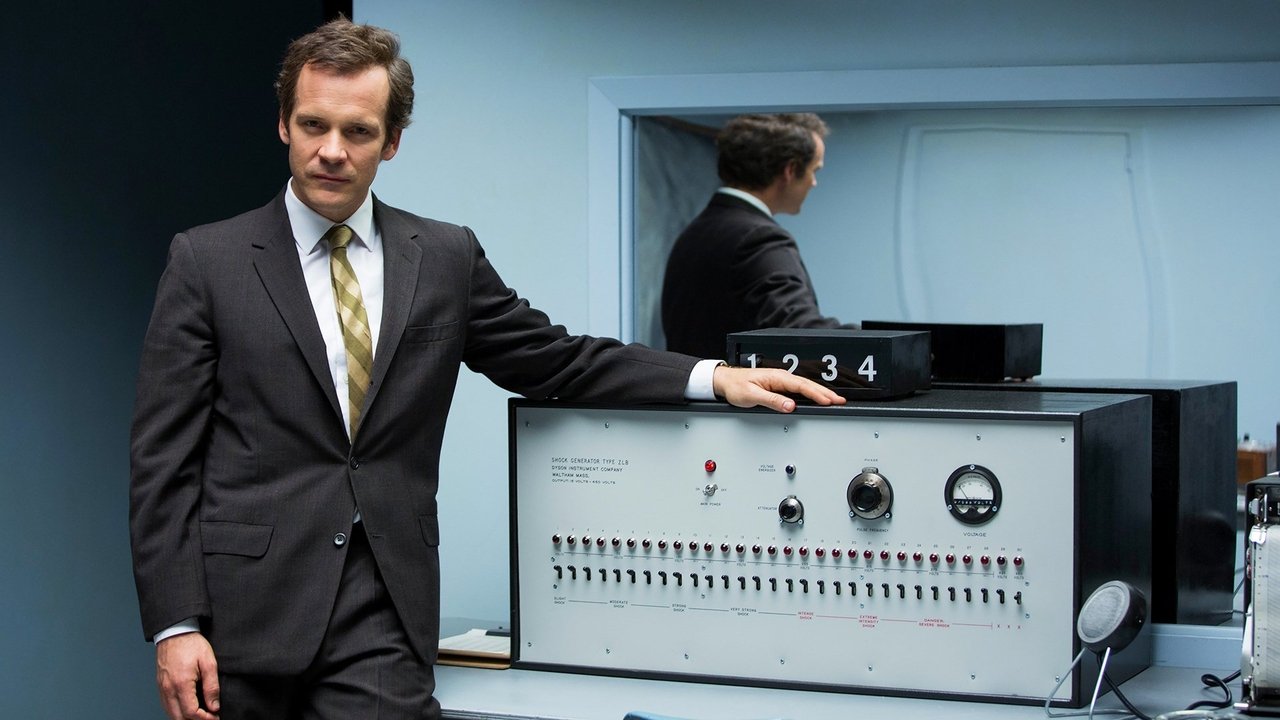
Yale University, 1961. Stanley Milgram designs a psychology experiment that still resonates to this day, in which people think they’re delivering painful electric shocks to an affable stranger strapped into a chair in another room. Despite his pleads for mercy, the majority of subjects don’t stop the experiment, administering what they think is a near-fatal electric shock, simply because they’ve been told to do so. With Nazi Adolf Eichmann’s trial airing in living rooms across America, Milgram strikes a nerve in popular culture and the scientific community with his exploration into people’s tendency to comply with authority. Celebrated in some circles, he is also accused of being a deceptive, manipulative monster, but his wife Sasha stands by him through it all.
Chi tiết
- Ngày phát hành
- 2015-10-16
- Thời lượng
- 97 min
- Thể loại
- Phim Chính Kịch, Phim Lịch Sử
- Trạng thái
- Released
- Sản xuất
- FJ Productions, BB Film Productions
- Quốc gia
- United States of America
- Ngôn ngữ gốc
- EN
Diễn viên
- Peter Sarsgaard vai Stanley Milgram
- Winona Ryder vai Alexandra "Sasha" Milgram
- Jim Gaffigan vai James McDonough
- Edoardo Ballerini vai Paul Hollander
- John Palladino vai John Williams
- Kellan Lutz vai William Shatner
- Dennis Haysbert vai Ossie Davis
- Danny A. Abeckaser vai Braverman
- Taryn Manning vai Mrs. Lowe
- Anthony Edwards vai Miller
- Lori Singer vai Florence Asch
- Josh Hamilton vai Tom Shannon
Ê-kíp
- Michael Almereyda - Director
- Michael Almereyda - Writer
Tựa phim liên quan
 Thí Nghiệm Nhà Tù Stanford
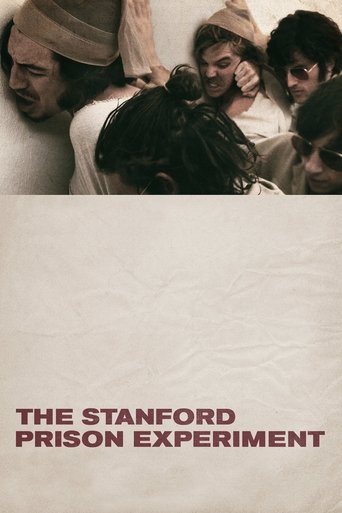
"Năm 1971, giáo sư tâm lý học Mỹ Philip Zimbardo tiến hành thí nghiệm nhằm trả lời câu hỏi: sự tàn bạo là do bản tính con người hay do môi trường. Thí nghiệm có tên "Nhà tù Stanford", được tài trợ bởi Cơ quan Nghiên cứu Hải quân Mỹ, diễn ra tại Đại học Stanford vào tháng 8/1971.
Trước khi thí nghiệm diễn ra, Zimbardo giả thiết rằng hành vi chịu tác động của hoàn cảnh hơn là do tính cách bẩm sinh. Để chứng minh giả thiết, ông chọn các sinh viên để đóng vai tù nhân hoặc lính canh trong môi trường nhà tù mô phỏng.
Thí Nghiệm Nhà Tù Stanford
"Năm 1971, giáo sư tâm lý học Mỹ Philip Zimbardo tiến hành thí nghiệm nhằm trả lời câu hỏi: sự tàn bạo là do bản tính con người hay do môi trường. Thí nghiệm có tên "Nhà tù Stanford", được tài trợ bởi Cơ quan Nghiên cứu Hải quân Mỹ, diễn ra tại Đại học Stanford vào tháng 8/1971.
Trước khi thí nghiệm diễn ra, Zimbardo giả thiết rằng hành vi chịu tác động của hoàn cảnh hơn là do tính cách bẩm sinh. Để chứng minh giả thiết, ông chọn các sinh viên để đóng vai tù nhân hoặc lính canh trong môi trường nhà tù mô phỏng.
 The Experiment
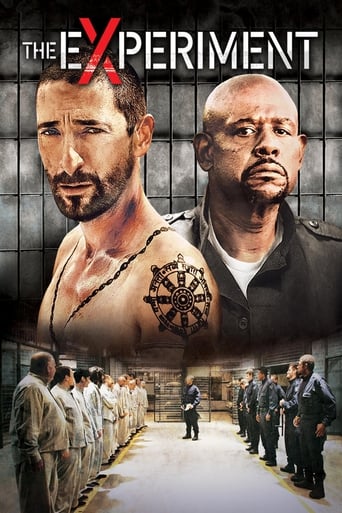
20 men are chosen to participate in the roles of guards and prisoners in a psychological study that ultimately spirals out of control.
The Experiment
20 men are chosen to participate in the roles of guards and prisoners in a psychological study that ultimately spirals out of control.
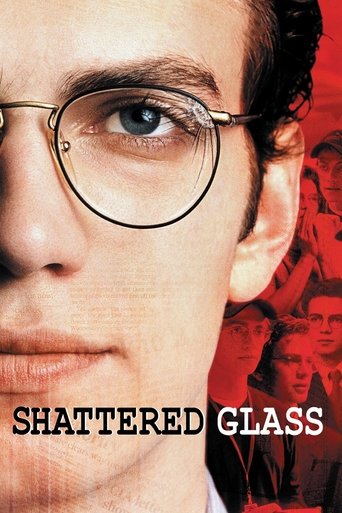 Shattered Glass
Stephen Glass is a staff writer for the respected current events and policy magazine The New Republic and a freelance feature writer for publications such as Rolling Stone, Harper's and George. By the mid-90s, Glass' articles had turned him into one of the most sought-after young journalists in Washington, but a bizarre chain of events - chronicled in Buzz Bissinger's September 1998 Vanity Fair article - suddenly stopped his career in its tracks.
Shattered Glass
Stephen Glass is a staff writer for the respected current events and policy magazine The New Republic and a freelance feature writer for publications such as Rolling Stone, Harper's and George. By the mid-90s, Glass' articles had turned him into one of the most sought-after young journalists in Washington, but a bizarre chain of events - chronicled in Buzz Bissinger's September 1998 Vanity Fair article - suddenly stopped his career in its tracks.
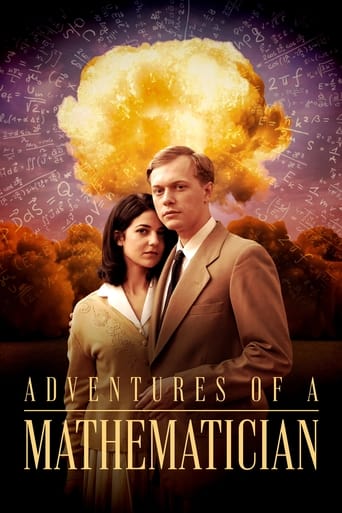 Adventures of a Mathematician
The warmhearted story of Polish immigrant and mathematician Stan Ulam, who moved to the U.S. in the 1930s. Stan deals with the difficult losses of family and friends all while helping to create the hydrogen bomb and the first computer.
Adventures of a Mathematician
The warmhearted story of Polish immigrant and mathematician Stan Ulam, who moved to the U.S. in the 1930s. Stan deals with the difficult losses of family and friends all while helping to create the hydrogen bomb and the first computer.
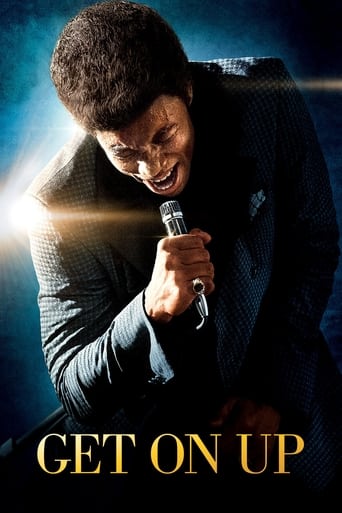 Get On Up
A chronicle of James Brown's rise from extreme poverty to become one of the most influential musicians in history.
Get On Up
A chronicle of James Brown's rise from extreme poverty to become one of the most influential musicians in history.
 You Don't Know Jack
Controversy and legal problems follow Dr. Jack Kevorkian as he advocates assisted suicide.
You Don't Know Jack
Controversy and legal problems follow Dr. Jack Kevorkian as he advocates assisted suicide.
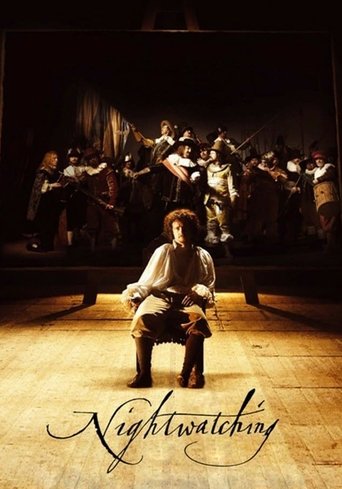 Nightwatching
An extravagant, exotic and moving look at Rembrandt's romantic and professional life, and the controversy he created by the identification of a murderer in the painting The Night Watch.
Nightwatching
An extravagant, exotic and moving look at Rembrandt's romantic and professional life, and the controversy he created by the identification of a murderer in the painting The Night Watch.
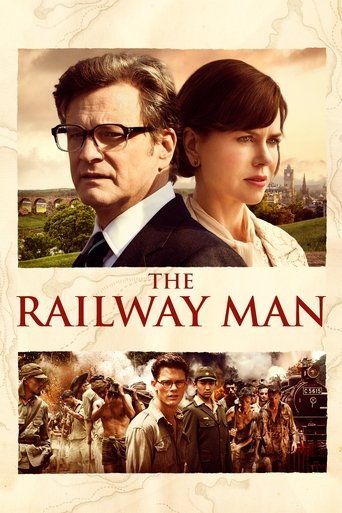 The Railway Man
A victim from World War II's "Death Railway" sets out to find those responsible for his torture. A true story.
The Railway Man
A victim from World War II's "Death Railway" sets out to find those responsible for his torture. A true story.
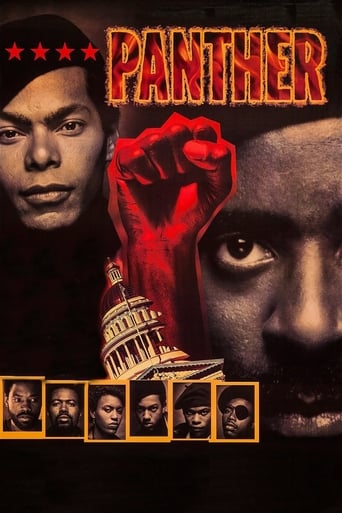 Panther
In this sprawling, fictionalized history of the Black Panthers, 1960s Oakland becomes a war zone as the Panthers battle for the right to exist.
Panther
In this sprawling, fictionalized history of the Black Panthers, 1960s Oakland becomes a war zone as the Panthers battle for the right to exist.
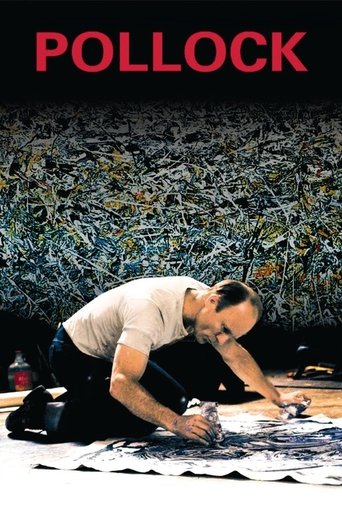 Pollock
In August of 1949, Life Magazine ran a banner headline that begged the question: "Jackson Pollock: Is he the greatest living painter in the United States?" The film is a look back into the life of an extraordinary man, a man who has fittingly been called "an artist dedicated to concealment, a celebrity who nobody knew." As he struggled with self-doubt, engaging in a lonely tug-of-war between needing to express himself and wanting to shut the world out, Pollock began a downward spiral.
Pollock
In August of 1949, Life Magazine ran a banner headline that begged the question: "Jackson Pollock: Is he the greatest living painter in the United States?" The film is a look back into the life of an extraordinary man, a man who has fittingly been called "an artist dedicated to concealment, a celebrity who nobody knew." As he struggled with self-doubt, engaging in a lonely tug-of-war between needing to express himself and wanting to shut the world out, Pollock began a downward spiral.