
Episode
Auschwitz: The Nazis and the Final Solution: Liberation and Revenge
Overview
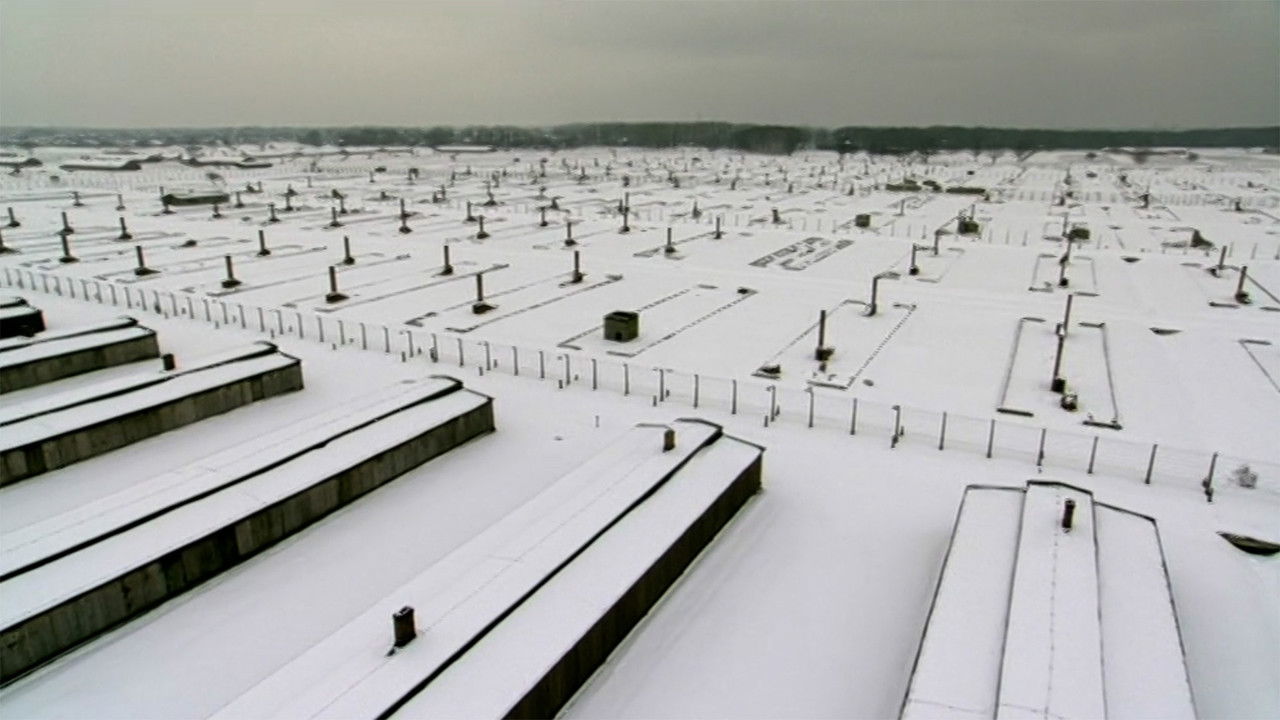
The reality of life in the concentration camps was revealed upon the liberation of Auschwitz-Birkenau and Bergen-Belsen in 1945. But what was the fate of the remaining prisoners and the SS garrisons? The final days of the war and its immediate aftermath is a story as shocking as it is surprising, with Jewish survivors facing appalling treatment in their home countries and large numbers of SS perpetrators remaining hidden.
Details
- Series
- Auschwitz: The Nazis and the Final Solution
- Season
- Season 1
- Episode
- Episode 6
- Air date
- 2005-02-15
- Runtime
- 60 min
Episode context
Liberation and Revenge is Episode 6 in Miniseries of Auschwitz: The Nazis and the Final Solution. It aired on 2005-02-15. The runtime is 60 min.
Previous / Next

More episodes from this season
 Episode 4: Corruption
By 1943, life was good for many of the SS. Eyewitness accounts recall how those in power at Auschwitz lined their pockets with wealth stolen from Jewish inmates while also engaging in illicit affairs.
Episode 4: Corruption
By 1943, life was good for many of the SS. Eyewitness accounts recall how those in power at Auschwitz lined their pockets with wealth stolen from Jewish inmates while also engaging in illicit affairs.
 Episode 3: Factories of Death
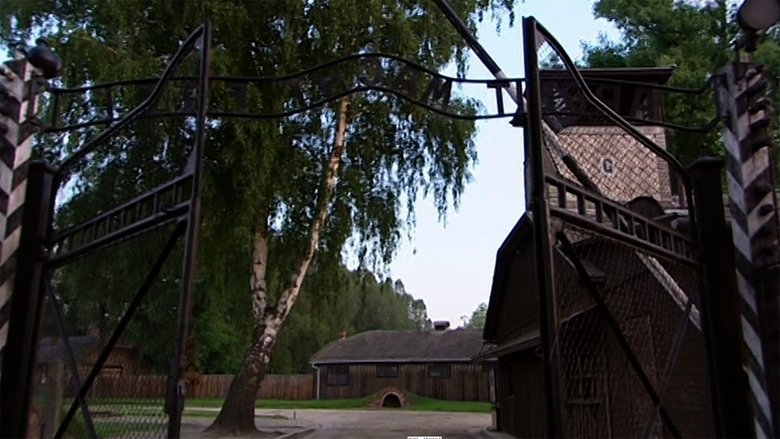
The Nazis' marshalling of Jews from across Europe - including the Channel Islands- gained momentum in 1942. Unable to cope with the huge influx, Auschwitz and Treblinka were modified with bigger gas chambers and crematoria. But inspirational stories of courage and compassion could still be found among this appalling catalogue of inhumanity, including that of German officer Albert Battel, who risked his life to save detainees.
Episode 3: Factories of Death
The Nazis' marshalling of Jews from across Europe - including the Channel Islands- gained momentum in 1942. Unable to cope with the huge influx, Auschwitz and Treblinka were modified with bigger gas chambers and crematoria. But inspirational stories of courage and compassion could still be found among this appalling catalogue of inhumanity, including that of German officer Albert Battel, who risked his life to save detainees.
 Episode 2: Orders and Initiatives
Laurence Rees continues his documentary history, marking the 60th anniversary of the liberation of Auschwitz, with an account of how the Nazis developed their ""Final Solution"". By 1942, Rudolf Hess had established the camp as a place to murder thousands of Jews, Slavs, Roma Gypsies.
Episode 2: Orders and Initiatives
Laurence Rees continues his documentary history, marking the 60th anniversary of the liberation of Auschwitz, with an account of how the Nazis developed their ""Final Solution"". By 1942, Rudolf Hess had established the camp as a place to murder thousands of Jews, Slavs, Roma Gypsies.
 Episode 1: Surprising Beginnings
This episode sets the stage for the series and examines the radical increase in violence against all opponents of the Nazi state. In particular, it explores the German army's invasion of the Soviet Union during the summer of 1941 and connects this campaign to the first gassing experiments in Auschwitz, Poland, which were aimed at Russian prisoners of war, not Jews.
Episode 1: Surprising Beginnings
This episode sets the stage for the series and examines the radical increase in violence against all opponents of the Nazi state. In particular, it explores the German army's invasion of the Soviet Union during the summer of 1941 and connects this campaign to the first gassing experiments in Auschwitz, Poland, which were aimed at Russian prisoners of war, not Jews.