
Episode
60 Minutes: 60 Minutes Presents: The Lost Music
Overview
More than 6 million people, most of them Jews, died in the Holocaust. The music they wrote as a temporary escape, however, did not, thanks in part to the efforts of an Italian composer and pianist.
Details
- Series
- 60 Minutes
- Season
- Season 52
- Episode
- Episode 36
- Air date
- 2020-06-07
- Runtime
- 44 min
Episode context
60 Minutes Presents: The Lost Music is Episode 36 in Season 52 of 60 Minutes. It aired on 2020-06-07. The runtime is 44 min.
Previous / Next
 Episode 35: Nation in Crisis, A Long Siege, Failure to Protect
Sherrilyn Ifill on why George Floyd's death is a tipping point and how America can move forward; Then, San Antonio businesses continue reopening as Texas sees rise in coronavirus cases; And, Oklahoma child abuse law disproportionately penalizes women.
Episode 37: The College Test, Exhume the Truth, Three Empty Chairs
Universities ready for fall amid coronavirus. Then, uncovering the Greenwood Massacre, nearly a century later. And, the case backlog mounts for a federal appeals board.
Episode 35: Nation in Crisis, A Long Siege, Failure to Protect
Sherrilyn Ifill on why George Floyd's death is a tipping point and how America can move forward; Then, San Antonio businesses continue reopening as Texas sees rise in coronavirus cases; And, Oklahoma child abuse law disproportionately penalizes women.
Episode 37: The College Test, Exhume the Truth, Three Empty Chairs
Universities ready for fall amid coronavirus. Then, uncovering the Greenwood Massacre, nearly a century later. And, the case backlog mounts for a federal appeals board.
More episodes from this season
 Episode 34: The Promise of Plasma, Spilling Across the Border, Perseverance
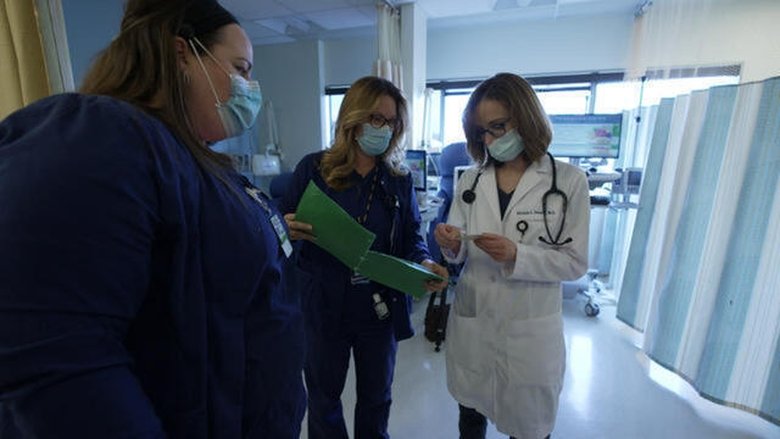
Until new drugs are found to treat COVID-19, one of the more effective treatments has been plasma therapy. Bill Whitaker reports on how doctors are taking the blood plasma of COVID-19 survivors, and the virus-fighting antibodies in it, to create the life-saving therapy; produced by Michael Karzis, Julie Holstein and Howard L. Rosenberg. Lesley Stahl reports on raw sewage that is entering Southern California’s coast lands and waters from Tijuana, Mexico, just over the border; produced by Shachar Bar-On and Natalie Peel. In the most ambitious Mars rover mission yet, NASA hopes to launch Perseverance this summer to find evidence of ancient life on the “Red Planet,” Anderson Cooper reports; Andy Court produces.
Episode 38: The Chief, The Opioid Playbook
Lesley Stahl interviews Minneapolis’ Police Chief Medaria Arradondo as the department still reels from the killing of George Floyd; produced by Sarah Koch. A Bill Whitaker double-length segment investigates pharmaceutical companies’ playbooks to push opioids, and how law enforcement has scrambled to hold their executives accountable for fueling the epidemic; produced by Sam Hornblower.
Episode 34: The Promise of Plasma, Spilling Across the Border, Perseverance
Until new drugs are found to treat COVID-19, one of the more effective treatments has been plasma therapy. Bill Whitaker reports on how doctors are taking the blood plasma of COVID-19 survivors, and the virus-fighting antibodies in it, to create the life-saving therapy; produced by Michael Karzis, Julie Holstein and Howard L. Rosenberg. Lesley Stahl reports on raw sewage that is entering Southern California’s coast lands and waters from Tijuana, Mexico, just over the border; produced by Shachar Bar-On and Natalie Peel. In the most ambitious Mars rover mission yet, NASA hopes to launch Perseverance this summer to find evidence of ancient life on the “Red Planet,” Anderson Cooper reports; Andy Court produces.
Episode 38: The Chief, The Opioid Playbook
Lesley Stahl interviews Minneapolis’ Police Chief Medaria Arradondo as the department still reels from the killing of George Floyd; produced by Sarah Koch. A Bill Whitaker double-length segment investigates pharmaceutical companies’ playbooks to push opioids, and how law enforcement has scrambled to hold their executives accountable for fueling the epidemic; produced by Sam Hornblower.
 Episode 33: Chairman of the Federal Reserve, Whistleblower, The Reckoning
Fed Chair Jerome Powell tells Scott Pelley what the government and the Federal Reserve need to do to weather the unprecedented economic crisis precipitated by the pandemic; produced by Henry Schuster. A top government virologist says he was removed from his crucial role leading a unit fighting the pandemic because he spoke out against the administration’s advocacy of a drug unproven to help COVID patients. Norah O’Donnell talks to whistle-blower Rick Bright in his first television interview; produced by Keith Sharman, Rome Hartman and Adam Verdugo. Jon Wertheim takes a look at some of the possible changes spurred by the coronavirus pandemic’s profound effect on society; produced by Michael Gavshon.
Episode 39: Voting During the Pandemic, The Wild West of Testing, Probiotics
Americans will vote for president in just a few months, and the pandemic has forced election officials to explore ways to keep the public safe at the polls and offer alternatives to in-person voting. As Bill Whitaker reports, so far, it’s not been an easy task; produced by Marc Lieberman and Ali Rawaf. Sharyn Alfonsi shares the results of a three-month investigation that revealed federal officials failed to immediately stop the distribution of many COVID-19 antibody tests they already knew were flawed, leading to inaccurate data about the spread of the virus; produced by Oriana Zill de Granados. Consumers spend tens of billions of dollars on probiotics that promise to improve health. Dr. Jon LaPook takes a look at the so-called “good bacteria” and whether all the hype is true; produced by Howard L. Rosenberg and Julie Holstein.
Episode 33: Chairman of the Federal Reserve, Whistleblower, The Reckoning
Fed Chair Jerome Powell tells Scott Pelley what the government and the Federal Reserve need to do to weather the unprecedented economic crisis precipitated by the pandemic; produced by Henry Schuster. A top government virologist says he was removed from his crucial role leading a unit fighting the pandemic because he spoke out against the administration’s advocacy of a drug unproven to help COVID patients. Norah O’Donnell talks to whistle-blower Rick Bright in his first television interview; produced by Keith Sharman, Rome Hartman and Adam Verdugo. Jon Wertheim takes a look at some of the possible changes spurred by the coronavirus pandemic’s profound effect on society; produced by Michael Gavshon.
Episode 39: Voting During the Pandemic, The Wild West of Testing, Probiotics
Americans will vote for president in just a few months, and the pandemic has forced election officials to explore ways to keep the public safe at the polls and offer alternatives to in-person voting. As Bill Whitaker reports, so far, it’s not been an easy task; produced by Marc Lieberman and Ali Rawaf. Sharyn Alfonsi shares the results of a three-month investigation that revealed federal officials failed to immediately stop the distribution of many COVID-19 antibody tests they already knew were flawed, leading to inaccurate data about the spread of the virus; produced by Oriana Zill de Granados. Consumers spend tens of billions of dollars on probiotics that promise to improve health. Dr. Jon LaPook takes a look at the so-called “good bacteria” and whether all the hype is true; produced by Howard L. Rosenberg and Julie Holstein.
 Episode 32: Pandemic Politics, Amazon, Ghost Guns
The impact of politics on finding a vaccine for COVID-19; Amazon employees claiming their workplace is unsafe; virtually untraceable guns made at home using legally purchased parts.
Episode 40: The Children of Flint, A Different Kind of Vision, Rafa
Five years after the Flint water crisis, there are still long lines for water and new evidence of the long-term health impact on the city’s children, Sharyn Alfonsi reports; produced by Guy Campanile. Leslie Stahl revisits the remarkable story of architect Chris Downey, who lost his sight but found a way to keep working, and believes blindness has made him a better architect; produced by Shari Finkelstein. The world’s #1 tennis player, Rafael Nadal, takes Jon Wertheim back to his hometown on the beautiful Spanish island of Mallorca. But it’s not a vacation, as the court star known as “Rafa” to his fans, practices intensely every morning; produced by Nathalie Sommer.
Episode 32: Pandemic Politics, Amazon, Ghost Guns
The impact of politics on finding a vaccine for COVID-19; Amazon employees claiming their workplace is unsafe; virtually untraceable guns made at home using legally purchased parts.
Episode 40: The Children of Flint, A Different Kind of Vision, Rafa
Five years after the Flint water crisis, there are still long lines for water and new evidence of the long-term health impact on the city’s children, Sharyn Alfonsi reports; produced by Guy Campanile. Leslie Stahl revisits the remarkable story of architect Chris Downey, who lost his sight but found a way to keep working, and believes blindness has made him a better architect; produced by Shari Finkelstein. The world’s #1 tennis player, Rafael Nadal, takes Jon Wertheim back to his hometown on the beautiful Spanish island of Mallorca. But it’s not a vacation, as the court star known as “Rafa” to his fans, practices intensely every morning; produced by Nathalie Sommer.
 Episode 31: The Jobless, Where Did the Money Go?, The State of Texas
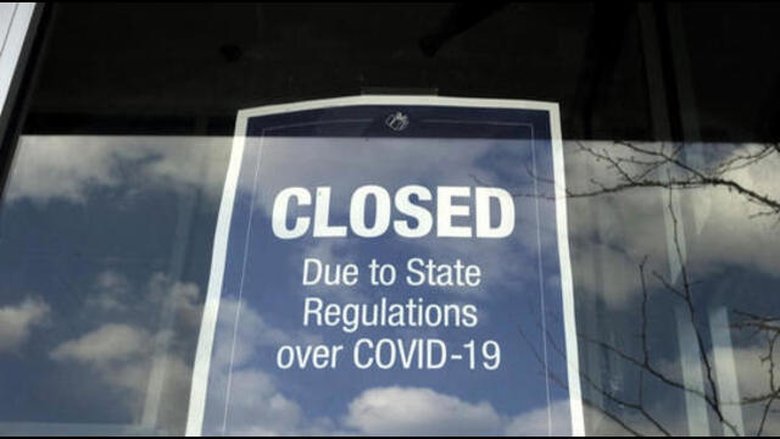
Americans unemployed by coronavirus share their stories; Then, small, medium-sized farmers on edge while trade war bailout money goes to some surprising recipients; And, medical workers using own money to keep health care system afloat in rural Texas.
Episode 41: 298 Counts of Murder, The Monuments, West Side Story
Six years ago, a missile brought down Malaysia Flight 17 over eastern Ukraine, killing 298 on board. Next month, four men, three of them Russian, go on trial in a Dutch courtroom. Scott Pelley investigates the evidence and speaks to victims’ relatives and prosecutors; produced by Henry Schuster. Public monuments to the Confederacy have been generating controversy and sometimes violence over what critics consider their racist symbolism. Should they stay or should they be removed? Anderson Cooper examines the national debate; produced by Keith Sharman and Erin Horan. 60 Minutes gets unprecedented access to rehearsals of the modernized vision of an American musical theater classic, West Side Story. Bill Whitaker speaks to the directors and cast; produced by Ruth Streeter.
Episode 31: The Jobless, Where Did the Money Go?, The State of Texas
Americans unemployed by coronavirus share their stories; Then, small, medium-sized farmers on edge while trade war bailout money goes to some surprising recipients; And, medical workers using own money to keep health care system afloat in rural Texas.
Episode 41: 298 Counts of Murder, The Monuments, West Side Story
Six years ago, a missile brought down Malaysia Flight 17 over eastern Ukraine, killing 298 on board. Next month, four men, three of them Russian, go on trial in a Dutch courtroom. Scott Pelley investigates the evidence and speaks to victims’ relatives and prosecutors; produced by Henry Schuster. Public monuments to the Confederacy have been generating controversy and sometimes violence over what critics consider their racist symbolism. Should they stay or should they be removed? Anderson Cooper examines the national debate; produced by Keith Sharman and Erin Horan. 60 Minutes gets unprecedented access to rehearsals of the modernized vision of an American musical theater classic, West Side Story. Bill Whitaker speaks to the directors and cast; produced by Ruth Streeter.
 Episode 30: On the Line, Outbreak Science, The Unseen Enemy
How GM and Ford switched from building vehicles to making medical supplies; Then, using artificial intelligence to track the coronavirus pandemic; And, protecting the U.S. military from coronavirus
Episode 30: On the Line, Outbreak Science, The Unseen Enemy
How GM and Ford switched from building vehicles to making medical supplies; Then, using artificial intelligence to track the coronavirus pandemic; And, protecting the U.S. military from coronavirus
 Episode 42: Nadia, A Populist Movement, The Wright Way
Scott Pelley tells the story of a Yazidi woman who survived a genocide. He first met her five years ago in a refugee camp, shortly after she narrowly escaped from ISIS. That woman, Nadia Murad, went on to win the Nobel Peace Prize last year for her efforts to end the use of sexual violence as a weapon of war; produced by Rachael Morehouse. Hungary’s populist government is spending billions to encourage women to have more children to solve its demographic problem. At the same time, it has built fences to keep immigrants out. Critics of the right wing government are outraged, Jon Wertheim reports; produced by Michael Gavshon. Bill Whitaker profiles the Wright family of Southern Utah, a clan sporting nine professional cowboys with five world rodeo titles among them, who live a lifestyle straight out of the old west; produced by Nichole Marks.
Episode 42: Nadia, A Populist Movement, The Wright Way
Scott Pelley tells the story of a Yazidi woman who survived a genocide. He first met her five years ago in a refugee camp, shortly after she narrowly escaped from ISIS. That woman, Nadia Murad, went on to win the Nobel Peace Prize last year for her efforts to end the use of sexual violence as a weapon of war; produced by Rachael Morehouse. Hungary’s populist government is spending billions to encourage women to have more children to solve its demographic problem. At the same time, it has built fences to keep immigrants out. Critics of the right wing government are outraged, Jon Wertheim reports; produced by Michael Gavshon. Bill Whitaker profiles the Wright family of Southern Utah, a clan sporting nine professional cowboys with five world rodeo titles among them, who live a lifestyle straight out of the old west; produced by Nichole Marks.