TV series
The Sixties
Overview
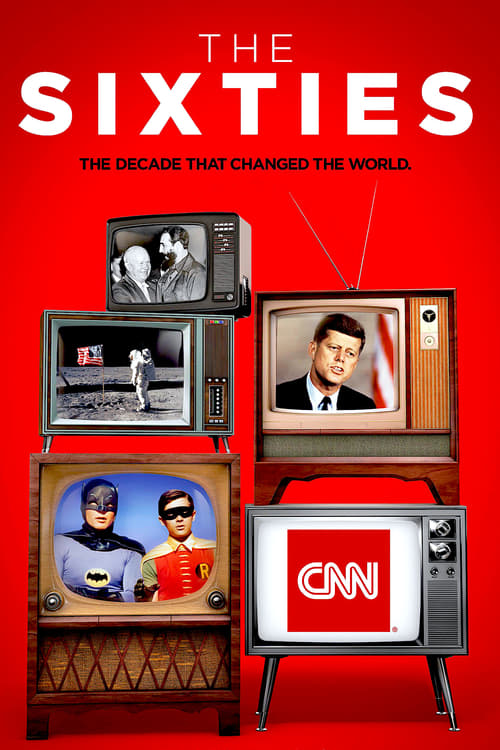
The space race, the cold war, "free love," civil rights and more: The decade of the 1960s shaped our history -- and changed the world. In collaboration with Tom Hanks, Gary Goetzman and Mark Herzog, CNN explores perhaps the most transformative decade of the modern era in a 10-part documentary series and brings new insights into how those events shaped today.
Details
- First air date
- 2014-05-29
- Status
- Ended
- Seasons
- 1 season
- Episodes
- 10 episodes
- Genres
- Documentary
- Network
- CNN
- Production
- Playtone, CNN Films
- Country
- US
- Original language
- EN
Cast
- Walter Cronkite as Self (archive footage)
- Tom Hanks as Self
- David Brinkley as Self (archive footage)
- Dan Rather as Self (archive footage)
- Shirley Chisholm as Self (archive footage)
- Neil Sheehan as Self
- Tim O'Brien as Self
- John F. Kennedy as Self (archive footage)
- Jack Ruby as Self (archive footage)
- Ngô Đình Diệm as Self - President of South Vietnam (archive footage)
- Strom Thurmond as Self (archive footage)
- Marlon Brando as Self - Civil Rights Activist (archive footage)
Creators and crew
- Gary Goetzman - Producer
- Stephen J. Morrison - Producer
- Tom Hanks - Producer
Episodes
 Episode 1: Television Comes of Age (1960 - 1969)
Americans gathered around “the tube,” to be informed and entertained by the news, The Twilight Zone, The Fugitive, I Dream of Jeannie, Rowan and Martin’s Laugh-In, and more. Tom Hanks, Sally Field, Dick and Tom Smothers, Carol Burnett, Dick Cavett, Diahann Carroll, Carl Reiner, Vince Gilligan, Petula Clark and others describe how the ground-breaking, rule-breaking, norm-bending dramas, historical events, and sitcoms reflected and influenced who we were.
Episode 1: Television Comes of Age (1960 - 1969)
Americans gathered around “the tube,” to be informed and entertained by the news, The Twilight Zone, The Fugitive, I Dream of Jeannie, Rowan and Martin’s Laugh-In, and more. Tom Hanks, Sally Field, Dick and Tom Smothers, Carol Burnett, Dick Cavett, Diahann Carroll, Carl Reiner, Vince Gilligan, Petula Clark and others describe how the ground-breaking, rule-breaking, norm-bending dramas, historical events, and sitcoms reflected and influenced who we were.
 Episode 2: The World on the Brink (1960 – 1963)
The heady days of Camelot were clouded by the political and military tensions between the U.S. and the U.S.S.R. Marvin Kalb, Richard Reeves, Robert Dallek, Sergei Khrushchev and more explain how close the Bay of Pigs and Cuban Missile Crisis brought us all to World War III – and how two nuclear superpowers moved from near confrontation to the Limited Nuclear Test Ban Treaty.
Episode 2: The World on the Brink (1960 – 1963)
The heady days of Camelot were clouded by the political and military tensions between the U.S. and the U.S.S.R. Marvin Kalb, Richard Reeves, Robert Dallek, Sergei Khrushchev and more explain how close the Bay of Pigs and Cuban Missile Crisis brought us all to World War III – and how two nuclear superpowers moved from near confrontation to the Limited Nuclear Test Ban Treaty.
 Episode 3: The Assassination of Kennedy (1963 - 1969)
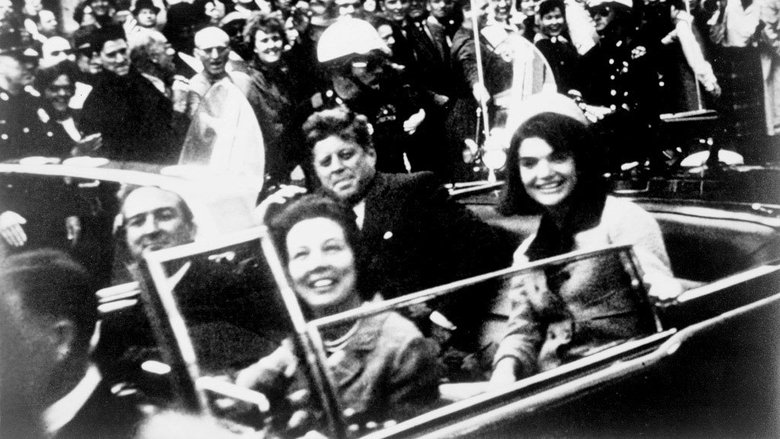
A documentary examining the assassination of President John F. Kennedy on Nov. 22, 1963. Included: a look at the conclusions drawn from the Warren Report; and eyewitness testimony. Remarks by: historians Robert Dallek and Robert Caro; journalists Robert MacNeil and Dan Rather; and Alexandra Zapruder, whose grandfather captured the assassination on film.
Episode 3: The Assassination of Kennedy (1963 - 1969)
A documentary examining the assassination of President John F. Kennedy on Nov. 22, 1963. Included: a look at the conclusions drawn from the Warren Report; and eyewitness testimony. Remarks by: historians Robert Dallek and Robert Caro; journalists Robert MacNeil and Dan Rather; and Alexandra Zapruder, whose grandfather captured the assassination on film.
 Episode 4: The War in Vietnam (1961 – 1968)
From just several hundred advisors at the start of the decade, to more than 550,000 American troops by the end of it, the escalation of the war in Vietnam – and the fighting and the dying – brought social and political polarization back home. It was also televised – and, the more Americans saw of the war, the more unpopular the conflict became. Tim O’Brien, Frederik Logeval, Karl Marlantes, Neil Sheehan, Andrew Bacevich, George Herring, Tom Hayden, and Philip Caputo discuss the Gulf of Tonkin, and LBJ, for this most complex of American stories.
Episode 4: The War in Vietnam (1961 – 1968)
From just several hundred advisors at the start of the decade, to more than 550,000 American troops by the end of it, the escalation of the war in Vietnam – and the fighting and the dying – brought social and political polarization back home. It was also televised – and, the more Americans saw of the war, the more unpopular the conflict became. Tim O’Brien, Frederik Logeval, Karl Marlantes, Neil Sheehan, Andrew Bacevich, George Herring, Tom Hayden, and Philip Caputo discuss the Gulf of Tonkin, and LBJ, for this most complex of American stories.
 Episode 5: A Long March to Freedom (1960 – 1968)
Selma, Birmingham, and the March on Washington are reexamined by eyewitnesses to history. Diane Nash, U.S. Rep. John Lewis, U.S. Rep. Eleanor Holmes Norton, Rev. C.T. Vivian, Bob Moses, Diane McWhorter, Taylor Branch, David Garrow, and Isabel Wilkerson give critical context to the lunch counter sit-ins, Freedom Rides, Freedom Summer, integration, and the Children’s Crusade for the moral mission of the Civil Rights Movement.
Episode 5: A Long March to Freedom (1960 – 1968)
Selma, Birmingham, and the March on Washington are reexamined by eyewitnesses to history. Diane Nash, U.S. Rep. John Lewis, U.S. Rep. Eleanor Holmes Norton, Rev. C.T. Vivian, Bob Moses, Diane McWhorter, Taylor Branch, David Garrow, and Isabel Wilkerson give critical context to the lunch counter sit-ins, Freedom Rides, Freedom Summer, integration, and the Children’s Crusade for the moral mission of the Civil Rights Movement.
 Episode 6: The British Invasion (1964 - 1967)
Clips of performances by British bands of the 1960s, including Manfred Mann, the Animals, Peter and Gordon, Joe Cocker, Traffic, Procol Harum, the Troggs, the Kinks, the Yardbirds, the Hollies, and Gerry and the Pacemakers. Host: Casey Kasem.
Episode 6: The British Invasion (1964 - 1967)
Clips of performances by British bands of the 1960s, including Manfred Mann, the Animals, Peter and Gordon, Joe Cocker, Traffic, Procol Harum, the Troggs, the Kinks, the Yardbirds, the Hollies, and Gerry and the Pacemakers. Host: Casey Kasem.
 Episode 7: The Space Race (1960 – 1969)
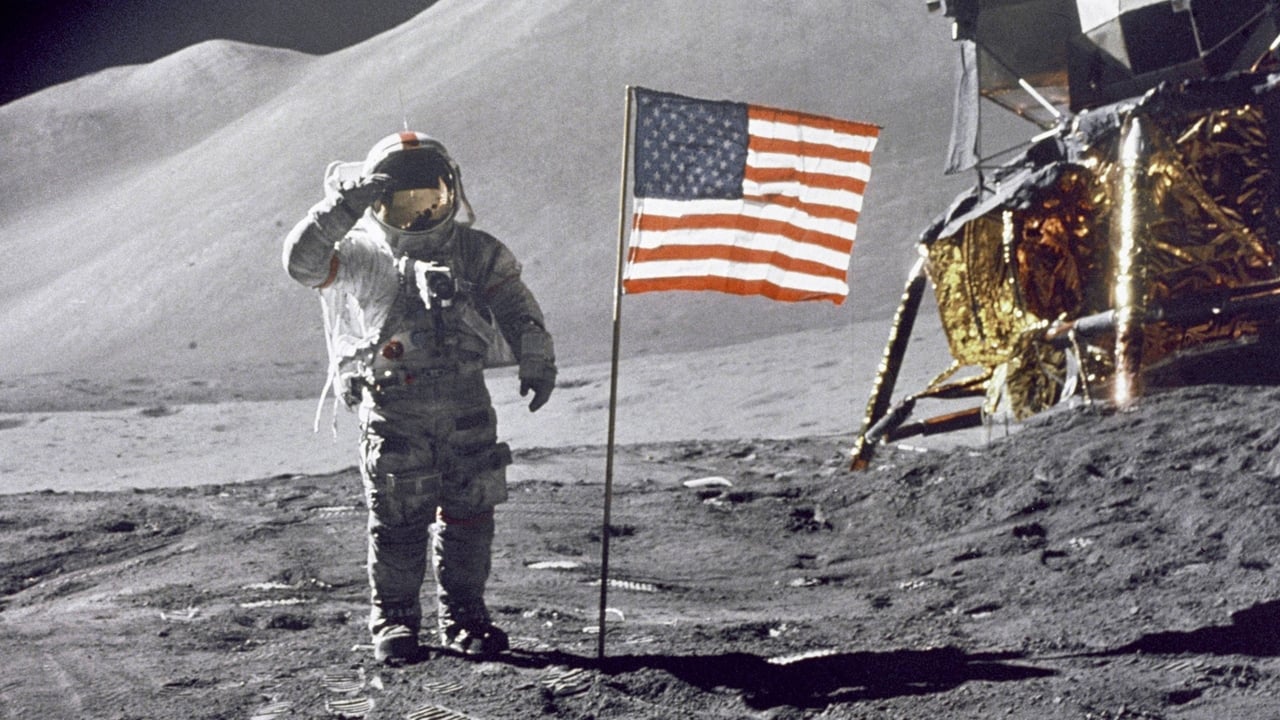
Astronaut and NASA Administrator Charles Bolden, astronauts Buzz Aldrin, Mike Massimino and Dave Scott, and Walter Issacson, Douglas Brinkley, Tom Wolfe, Andy Chaikin, and Tom Hanks describe the greatest adventure story of all time. The “giant leap” pushed the boundaries of exploration to an unprecedented frontier, inspiring inventions and imaginations around the world for generations.
Episode 7: The Space Race (1960 – 1969)
Astronaut and NASA Administrator Charles Bolden, astronauts Buzz Aldrin, Mike Massimino and Dave Scott, and Walter Issacson, Douglas Brinkley, Tom Wolfe, Andy Chaikin, and Tom Hanks describe the greatest adventure story of all time. The “giant leap” pushed the boundaries of exploration to an unprecedented frontier, inspiring inventions and imaginations around the world for generations.
 Episode 8: 1968 (1968)
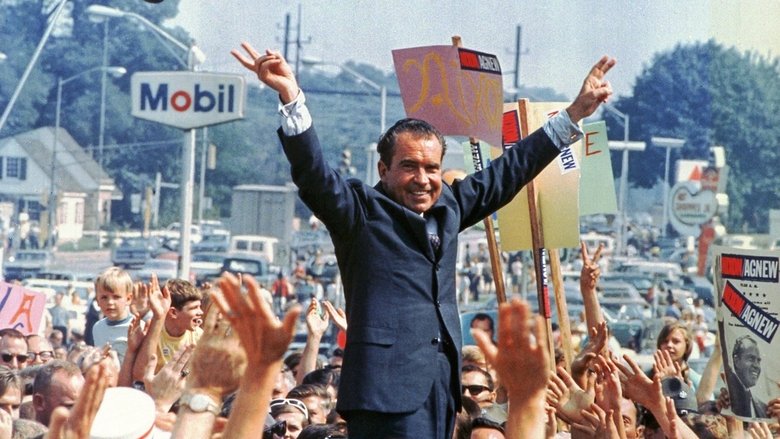
Tom Hayden, Gloria Steinem, Lance Morrow, Evan Thomas, Dan Rather, Morley Safer, Tim Naftali, and Mark Kurlansky discuss how one of the most dramatic years in American history was punctuated by a Soviet incursion into Czechoslovakia, devastating assassinations, turning points in the wars in Southeast Asia, a decisive and televised end to the Johnson Administration, violence at the Democratic National Convention, and the election of President Nixon.
Episode 8: 1968 (1968)
Tom Hayden, Gloria Steinem, Lance Morrow, Evan Thomas, Dan Rather, Morley Safer, Tim Naftali, and Mark Kurlansky discuss how one of the most dramatic years in American history was punctuated by a Soviet incursion into Czechoslovakia, devastating assassinations, turning points in the wars in Southeast Asia, a decisive and televised end to the Johnson Administration, violence at the Democratic National Convention, and the election of President Nixon.
 Episode 9: The Times, They Are A-Changin’ (1960 – 1969)
Gloria Steinem, Robert Kennedy, Jr., former U.S. Rep. Barney Frank, Cecile Richards, Marlo Thomas, Douglas Brinkley, and Gail Collins discuss how feminism, civil rights, environmentalism, conservatism, and the gay rights movements were fueled by deep yearnings for freedom by a generation unwilling to wait.
Episode 9: The Times, They Are A-Changin’ (1960 – 1969)
Gloria Steinem, Robert Kennedy, Jr., former U.S. Rep. Barney Frank, Cecile Richards, Marlo Thomas, Douglas Brinkley, and Gail Collins discuss how feminism, civil rights, environmentalism, conservatism, and the gay rights movements were fueled by deep yearnings for freedom by a generation unwilling to wait.
 Episode 10: Sex, Drugs, and Rock N’ Roll (1960 – 1969)
American culture changed fundamentally from the beginning to the end of the 1960s as the tastes, morals, and politics of the Baby Boomer generation came to define America. Jann Wenner, Grace Slick, David Wild, Leonard Steinhorn, Tom Wolfe, Douglas Brinkley, Tom Hanks, and more describe how beatniks, Haight-Ashbury, Andy Warhol, Timothy Leary, hippies, and Hell’s Angels became counter-cultural touchstones that still resonate today.
Episode 10: Sex, Drugs, and Rock N’ Roll (1960 – 1969)
American culture changed fundamentally from the beginning to the end of the 1960s as the tastes, morals, and politics of the Baby Boomer generation came to define America. Jann Wenner, Grace Slick, David Wild, Leonard Steinhorn, Tom Wolfe, Douglas Brinkley, Tom Hanks, and more describe how beatniks, Haight-Ashbury, Andy Warhol, Timothy Leary, hippies, and Hell’s Angels became counter-cultural touchstones that still resonate today.
More like this
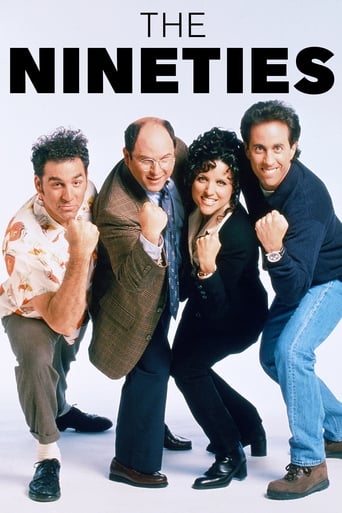 The Nineties
Hit rewind and explore the most iconic moments and influential people of The Nineties, the decade that gave us the Internet, DVDs, and other cultural and political milestones.
The Nineties
Hit rewind and explore the most iconic moments and influential people of The Nineties, the decade that gave us the Internet, DVDs, and other cultural and political milestones.
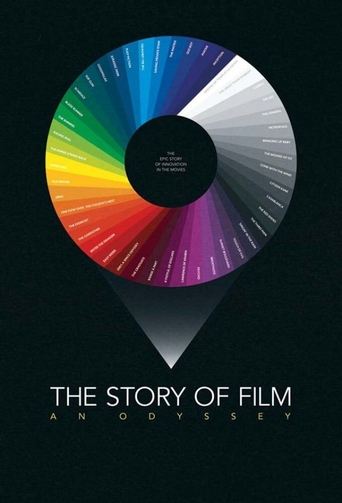 The Story of Film: An Odyssey
A worldwide guided tour of the greatest movies ever made and the story of international cinema through the history of cinematic innovation.
The Story of Film: An Odyssey
A worldwide guided tour of the greatest movies ever made and the story of international cinema through the history of cinematic innovation.
 American Experience
TV's most-watched history series brings to life the compelling stories from our past that inform our understanding of the world today.
American Experience
TV's most-watched history series brings to life the compelling stories from our past that inform our understanding of the world today.
 Top Gear
Motoring programme featuring reviews of and reports about cars of all types.
Top Gear
Motoring programme featuring reviews of and reports about cars of all types.
 The Eighties
The third installment from executive producers Tom Hanks, Gary Goetzman and Mark Herzog, following in the footsteps of critically-acclaimed series THE SIXTIES and THE SEVENTIES, tackles 10 years shaped by exceptionalism and excess. Like its predecessors, THE EIGHTIES intersperses rare archival newsreel footage, interviews, and comments by historians, journalists, politicians, celebrities and others, painting a perspective-rich picture of a vibrant decade. Episodes examine the age of Reagan, the AIDS crisis, the end of the Cold War, Wall Street corruption, the evolving TV and music scene, and everything in between.
The Eighties
The third installment from executive producers Tom Hanks, Gary Goetzman and Mark Herzog, following in the footsteps of critically-acclaimed series THE SIXTIES and THE SEVENTIES, tackles 10 years shaped by exceptionalism and excess. Like its predecessors, THE EIGHTIES intersperses rare archival newsreel footage, interviews, and comments by historians, journalists, politicians, celebrities and others, painting a perspective-rich picture of a vibrant decade. Episodes examine the age of Reagan, the AIDS crisis, the end of the Cold War, Wall Street corruption, the evolving TV and music scene, and everything in between.
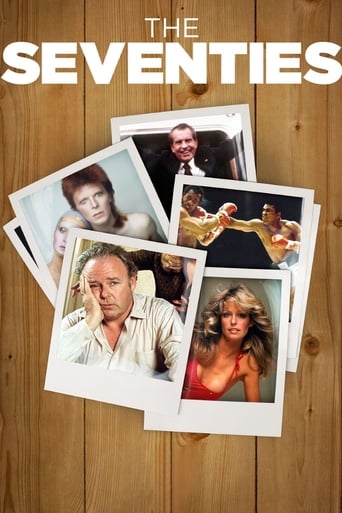 The Seventies
A documentary series focusing on the ongoing Vietnam War, the Watergate scandal, evolving music industry, the Iran Hostage Crisis, the sexual revolution, and the rise of foreign and domestic terrorism.
The Seventies
A documentary series focusing on the ongoing Vietnam War, the Watergate scandal, evolving music industry, the Iran Hostage Crisis, the sexual revolution, and the rise of foreign and domestic terrorism.
 American Masters
 is a PBS television series which produces biographies on enduring writers, musicians, visual and performing artists, dramatists, filmmakers, and others who have left an indelible impression on the cultural landscape of the United States.
American Masters
American Masters is a PBS television series which produces biographies on enduring writers, musicians, visual and performing artists, dramatists, filmmakers, and others who have left an indelible impression on the cultural landscape of the United States.
 Biography
 is a documentary television series. It was originally a half-hour filmed series produced for CBS by David Wolper from 1961 to 1964 and hosted by Mike Wallace. The A&E Network later re-ran it and has produced new episodes since 1987. The older version featured historical figures such as Helen Keller and Mark Twain, or long-dead entertainment figures such as Will Rogers or John Barrymore. The A&E series has placed the emphasis on such people as Marilyn Monroe, Elvis Presley, Plácido Domingo, Freddie Mercury, Jacqueline Kennedy Onassis, Eric Clapton, Pope John Paul II, Gene Tierney, Selena, Diego Rivera, Mao Zedong and Queen Elizabeth II, and fictional characters like The Phantom, Superman, Hamlet, Betty Boop, and Santa Claus. The program ended up profiling enough figures that in 1999, A&E spun it off into an entire network, The Biography Channel.
Biography
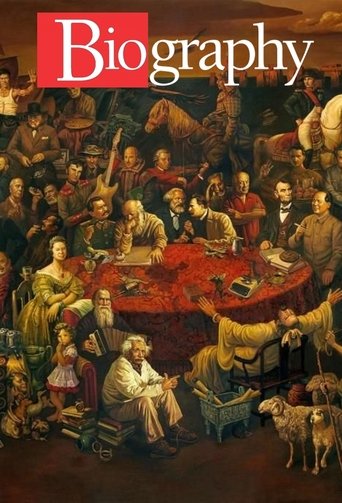
Biography is a documentary television series. It was originally a half-hour filmed series produced for CBS by David Wolper from 1961 to 1964 and hosted by Mike Wallace. The A&E Network later re-ran it and has produced new episodes since 1987. The older version featured historical figures such as Helen Keller and Mark Twain, or long-dead entertainment figures such as Will Rogers or John Barrymore. The A&E series has placed the emphasis on such people as Marilyn Monroe, Elvis Presley, Plácido Domingo, Freddie Mercury, Jacqueline Kennedy Onassis, Eric Clapton, Pope John Paul II, Gene Tierney, Selena, Diego Rivera, Mao Zedong and Queen Elizabeth II, and fictional characters like The Phantom, Superman, Hamlet, Betty Boop, and Santa Claus. The program ended up profiling enough figures that in 1999, A&E spun it off into an entire network, The Biography Channel.
 The World According to Jeff Goldblum
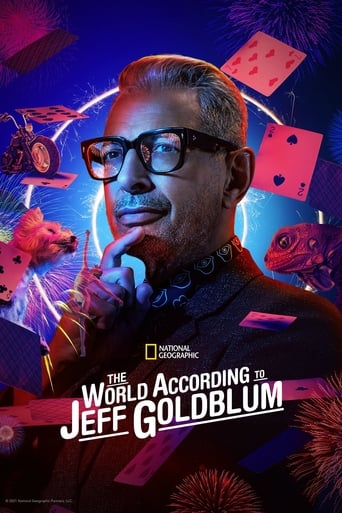
Through the prism of Jeff Goldblum's always inquisitive and highly entertaining mind, nothing is as it seems. Each episode is centered around something we all love — like sneakers or ice cream — as Jeff pulls the thread on these deceptively familiar objects and unravels a wonderful world of astonishing connections, fascinating science and history, amazing people, and a whole lot of surprising big ideas and insights.
The World According to Jeff Goldblum
Through the prism of Jeff Goldblum's always inquisitive and highly entertaining mind, nothing is as it seems. Each episode is centered around something we all love — like sneakers or ice cream — as Jeff pulls the thread on these deceptively familiar objects and unravels a wonderful world of astonishing connections, fascinating science and history, amazing people, and a whole lot of surprising big ideas and insights.
 Natural World
 is a nature documentary television series broadcast annually on BBC Two and regarded by the BBC as its flagship natural history brand. It is currently the longest-running series in its genre on British television, with more than 400 episodes broadcast since its inception in 1983.
Natural World is produced by the BBC Natural History Unit in Bristol, but individual programmes can be in-house productions, collaborative productions with other broadcasters or films made and distributed by independent production companies and purchased by the BBC. Natural World programmes are often broadcast as PBS Nature episodes in the USA. Since 2008, most Natural World programmes have been shot and broadcast in high definition.
Natural World
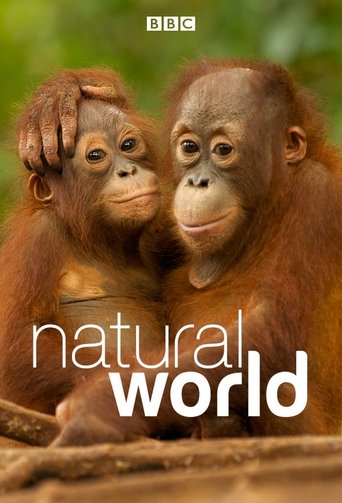
Natural World is a nature documentary television series broadcast annually on BBC Two and regarded by the BBC as its flagship natural history brand. It is currently the longest-running series in its genre on British television, with more than 400 episodes broadcast since its inception in 1983.
Natural World is produced by the BBC Natural History Unit in Bristol, but individual programmes can be in-house productions, collaborative productions with other broadcasters or films made and distributed by independent production companies and purchased by the BBC. Natural World programmes are often broadcast as PBS Nature episodes in the USA. Since 2008, most Natural World programmes have been shot and broadcast in high definition.