Episode
MegaStructures: Megabridges Greece
Overview
Details for MegaStructures: Megabridges Greece, powered by TMDB.
Details
- Series
- MegaStructures
- Season
- Season 6
- Episode
- Episode 17
- Air date
- 2009-08-27
- Runtime
- 60 min
Episode context
Megabridges Greece is Episode 17 in Season 6 of MegaStructures. It aired on 2009-08-27. The runtime is 60 min.
Previous / Next
Episode 13: Super Sky Tram
For over 40 years the Big Red Box at Jackson Hole, Wyoming, carried skiers, hikers, paragliders and sightseers up to the 3,400-metre summit of Rendezvous Mountain. But nothing lasts forever, so when cable inspector Norm Duke found evidence of stress fractures inside the aging steel track cables, there was no choice but to tear down and replace Jackson's iconic aerial tram. At a cost of US$31 million, this two year construction project is a top-to-bottom, state-of-the-art replacement. It will operate in 120 kph winds and minus 30°C temperatures, all with the quiet precision of a giant Swiss watch. Construction crews battle a record-breaking snowfall, zero visibility, high winds and impassable mud-slick mountain roads to build its five towers and two terminals, and string more than ten miles of heavy steel cable as they risk their lives in a battle to finish before winter closes in.
Episode 18: John Deere
More episodes from this season
Episode 12: The World's Tallest TV Tower
Episode 19: Skyscraper
Episode 11: Skyscraper
Episode 20: The World's Tallest TV Tower
Episode 10: John Deere
Episode 23: Rocket Launch Demolition
This installment follows the demolition of a 40-year-old rocket launch tower at Cape Canaveral. This tough, 90m high structure represents a massive logistical challenge for a family of demolition experts. Up to a third of the building’s entire weight must be stripped out before the tower can be imploded. Workers must brave high winds at great heights to ensure charges are planted correctly.
Episode 9: Super Sky Tram
For over 40 years the Big Red Box at Jackson Hole, Wyoming, carried skiers, hikers, paragliders and sightseers up to the 3,400-metre summit of Rendezvous Mountain. But nothing lasts forever, so when cable inspector Norm Duke found evidence of stress fractures inside the aging steel track cables, there was no choice but to tear down and replace Jackson's iconic aerial tram. At a cost of US$31 million, this two year construction project is a top-to-bottom, state-of-the-art replacement. It will operate in 120 kph winds and minus 30°C temperatures, all with the quiet precision of a giant Swiss watch. Construction crews battle a record-breaking snowfall, zero visibility, high winds and impassable mud-slick mountain roads to build its five towers and two terminals, and string more than ten miles of heavy steel cable as they risk their lives in a battle to finish before winter closes in.
 Episode 8: Icebreaker
This installment follows the demolition of a 40-year-old rocket launch tower at Cape Canaveral. This tough, 90m high structure represents a massive logistical challenge for a family of demolition experts. Up to a third of the building’s entire weight must be stripped out before the tower can be imploded. Workers must brave high winds at great heights to ensure charges are planted correctly.
Episode 7: Extreme Helicopter
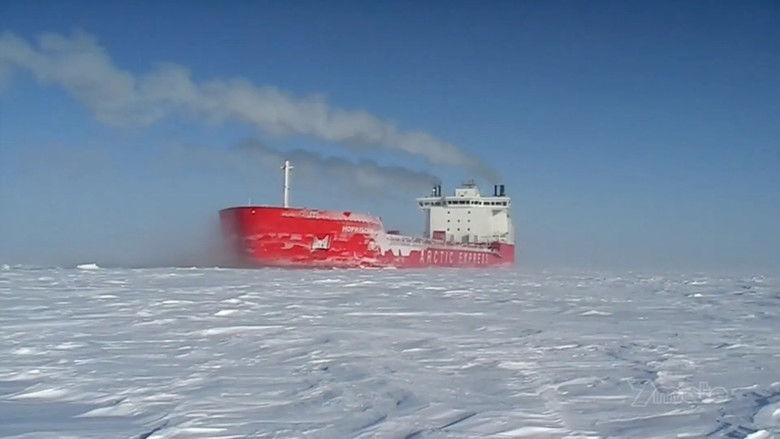
Breaking through over 40 feet of ice demands a vessel of incredible power. That's where the Icebreaker comes into its own. These behemoths keep the world's shipping lanes open during the harshest of conditions, making them vital to the global economy. Follow the construction of a vessel that can break ice and carry cargo at the same time: the Arctic Icebreaking Containership. This is the largest commercial icebreaker ever built.
Episode 6: Electric Ocean
The only purpose-built "flying crane" in existence, the Air-Crane heavy lift-helicopter is the most powerful helicopter workhorse in the world. It does extra-heavy, brute-force work with surgical precision thanks to its ability to keep its hanging load from twisting or swinging while aloft. It's also the only helicopter in the world with an aft-facing pilot seat to allow the payload to be strategically placed.
Episode 8: Icebreaker
This installment follows the demolition of a 40-year-old rocket launch tower at Cape Canaveral. This tough, 90m high structure represents a massive logistical challenge for a family of demolition experts. Up to a third of the building’s entire weight must be stripped out before the tower can be imploded. Workers must brave high winds at great heights to ensure charges are planted correctly.
Episode 7: Extreme Helicopter
Breaking through over 40 feet of ice demands a vessel of incredible power. That's where the Icebreaker comes into its own. These behemoths keep the world's shipping lanes open during the harshest of conditions, making them vital to the global economy. Follow the construction of a vessel that can break ice and carry cargo at the same time: the Arctic Icebreaking Containership. This is the largest commercial icebreaker ever built.
Episode 6: Electric Ocean
The only purpose-built "flying crane" in existence, the Air-Crane heavy lift-helicopter is the most powerful helicopter workhorse in the world. It does extra-heavy, brute-force work with surgical precision thanks to its ability to keep its hanging load from twisting or swinging while aloft. It's also the only helicopter in the world with an aft-facing pilot seat to allow the payload to be strategically placed.