Episode
NOVA: Arctic Sinkholes
Overview
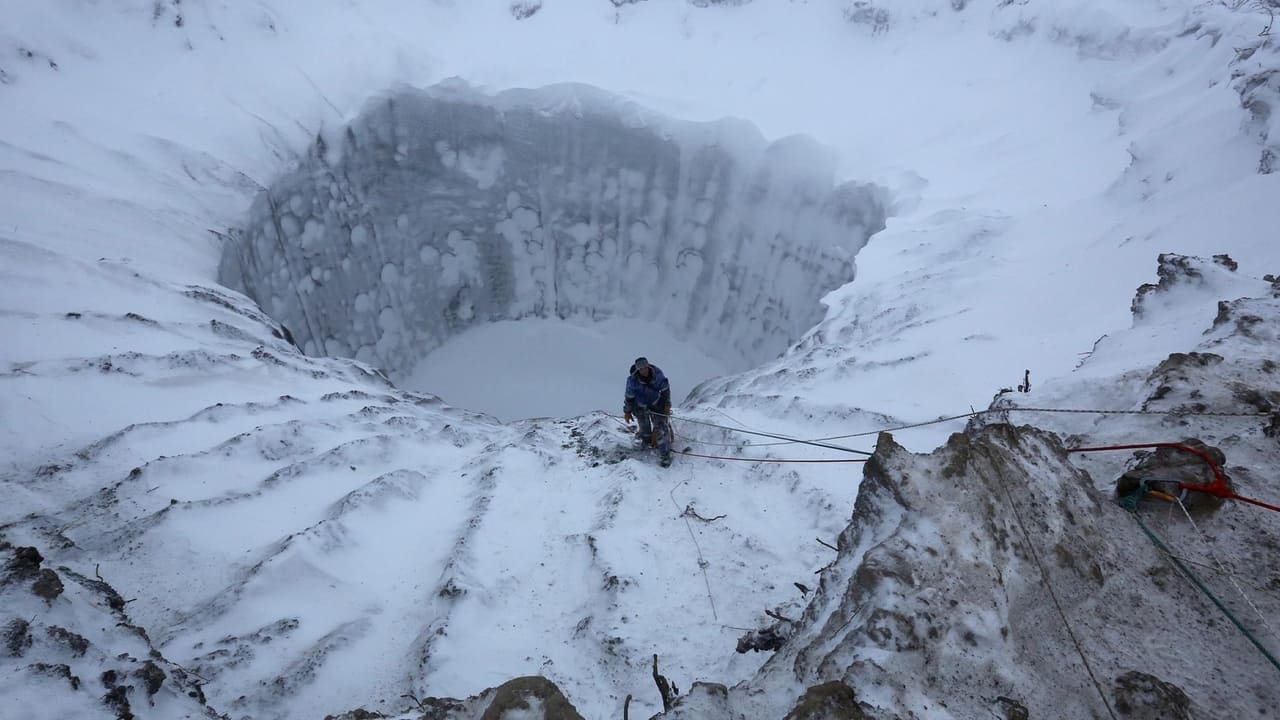
In the Arctic, enormous releases of methane, a potent greenhouse gas, threaten the climate.
Details
- Series
- NOVA
- Season
- Season 49
- Episode
- Episode 1
- Air date
- 2022-02-02
- Runtime
- 55 min
Episode context
Arctic Sinkholes is Episode 1 in Season 49 of NOVA. It aired on 2022-02-02. The runtime is 55 min.
Previous / Next
More episodes from this season
 Episode 3: Great Mammoth Mystery
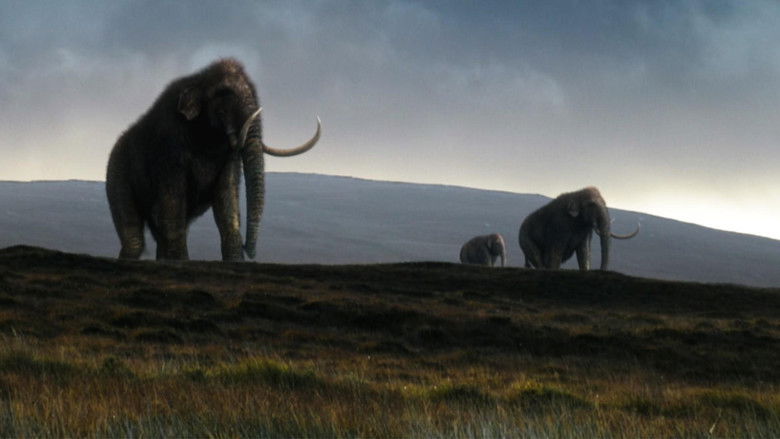
Sir David Attenborough investigates a unique site in southern England where amateur fossil hunters uncovered giant mammoth bones and evidence of Neanderthals. A team of paleontologists and archaeologists soon discover that the site preserves rare evidence of the extinct beasts and early human inhabitants of Britain dating to over 200,000 years ago.
Episode 3: Great Mammoth Mystery
Sir David Attenborough investigates a unique site in southern England where amateur fossil hunters uncovered giant mammoth bones and evidence of Neanderthals. A team of paleontologists and archaeologists soon discover that the site preserves rare evidence of the extinct beasts and early human inhabitants of Britain dating to over 200,000 years ago.
 Episode 4: Augmented
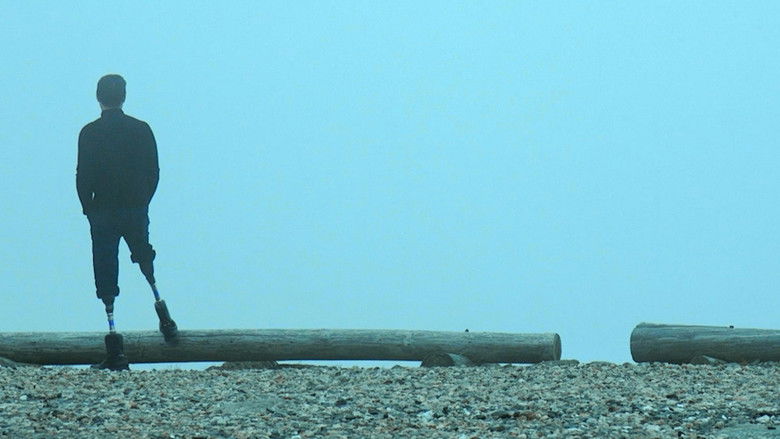
Follow the dramatic personal journey of Hugh Herr, a biophysicist working to create brain-controlled robotic limbs. At age 17, Herr’s legs were amputated after a climbing accident. Frustrated by the crude prosthetic limbs he was given, Herr set out to remedy their design, leading him to a career as an inventor of innovative prosthetic devices.
Episode 4: Augmented
Follow the dramatic personal journey of Hugh Herr, a biophysicist working to create brain-controlled robotic limbs. At age 17, Herr’s legs were amputated after a climbing accident. Frustrated by the crude prosthetic limbs he was given, Herr set out to remedy their design, leading him to a career as an inventor of innovative prosthetic devices.
 Episode 5: Determined: Fighting Alzheimer's
Follow three women at risk of developing Alzheimer’s as they join a groundbreaking study to try to prevent the disease – sharing their ups and downs, anxiously watching for symptoms, and hoping they can make a difference.
Episode 5: Determined: Fighting Alzheimer's
Follow three women at risk of developing Alzheimer’s as they join a groundbreaking study to try to prevent the disease – sharing their ups and downs, anxiously watching for symptoms, and hoping they can make a difference.
 Episode 6: Dinosaur Apocalypse: The New Evidence
In the Badlands of North Dakota, a team of scientists think they might have found the fossilized remains of animals killed on the day an asteroid struck Earth 66 million years ago. The evidence points to a catastrophic event, with a jumble of rare fossils, including a pterosaur embryo still in its shell and a well-preserved patch of triceratops skin, mixed in with tiny spheres of clay and glass that could be the fallout from the massive asteroid impact. Sir David Attenborough guides us on a search for clues that could give an unprecedented snapshot of what happened in the dinosaurs’ final moments on Earth.
Episode 6: Dinosaur Apocalypse: The New Evidence
In the Badlands of North Dakota, a team of scientists think they might have found the fossilized remains of animals killed on the day an asteroid struck Earth 66 million years ago. The evidence points to a catastrophic event, with a jumble of rare fossils, including a pterosaur embryo still in its shell and a well-preserved patch of triceratops skin, mixed in with tiny spheres of clay and glass that could be the fallout from the massive asteroid impact. Sir David Attenborough guides us on a search for clues that could give an unprecedented snapshot of what happened in the dinosaurs’ final moments on Earth.
 Episode 7: Dinosaur Apocalypse: The Last Day
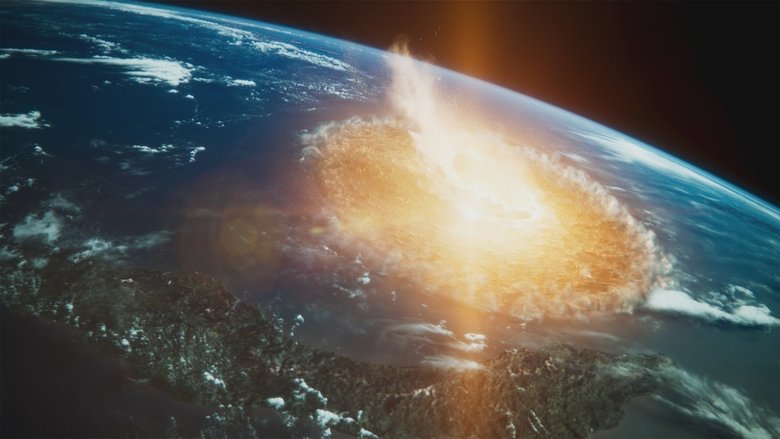
In the second episode of this two-part series, the search continues for signs of what happened on the day the dinosaurs died. Scientists uncover extremely rare fossils and more evidence that could link the dig site in North Dakota to the asteroid that wiped out the dinosaurs 66 million years ago. Among the fossils are tiny spheres of glass locked in amber. Inside one of the spheres is a speck of rock that appears to be a chemical match to the killer asteroid itself. And scientists uncover one of the most spectacular finds of all: an almost perfectly preserved dinosaur leg. Sir David Attenborough guides us on a search for clues that could provide an unprecedented snapshot of what happened in the dinosaurs’ final moments on Earth.
Episode 7: Dinosaur Apocalypse: The Last Day
In the second episode of this two-part series, the search continues for signs of what happened on the day the dinosaurs died. Scientists uncover extremely rare fossils and more evidence that could link the dig site in North Dakota to the asteroid that wiped out the dinosaurs 66 million years ago. Among the fossils are tiny spheres of glass locked in amber. Inside one of the spheres is a speck of rock that appears to be a chemical match to the killer asteroid itself. And scientists uncover one of the most spectacular finds of all: an almost perfectly preserved dinosaur leg. Sir David Attenborough guides us on a search for clues that could provide an unprecedented snapshot of what happened in the dinosaurs’ final moments on Earth.
 Episode 8: Why Ships Crash
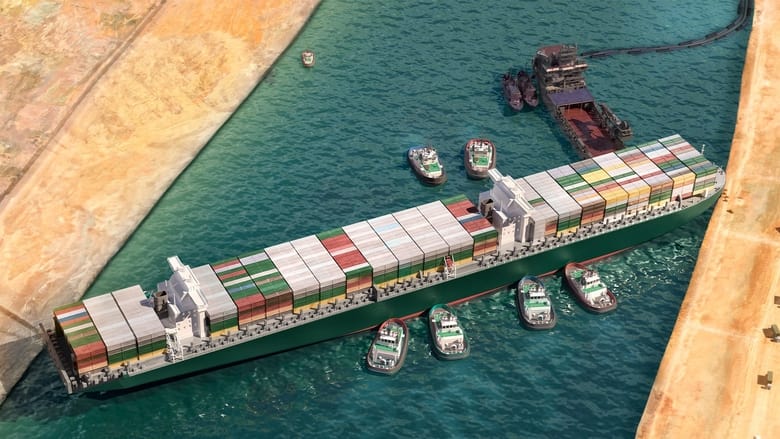
When the bow of the colossal Ever Given container ship plowed into the bank of the Suez Canal on March 23, 2021, international supply chains ground to a halt. What went wrong? Follow the dramatic efforts to free the ship and the investigation into one of the most expensive shipping disasters ever. Maritime experts analyze other recent accidents and try to figure out how such devastating crashes could be prevented.
Episode 8: Why Ships Crash
When the bow of the colossal Ever Given container ship plowed into the bank of the Suez Canal on March 23, 2021, international supply chains ground to a halt. What went wrong? Follow the dramatic efforts to free the ship and the investigation into one of the most expensive shipping disasters ever. Maritime experts analyze other recent accidents and try to figure out how such devastating crashes could be prevented.
 Episode 9: Ice Age Footprints
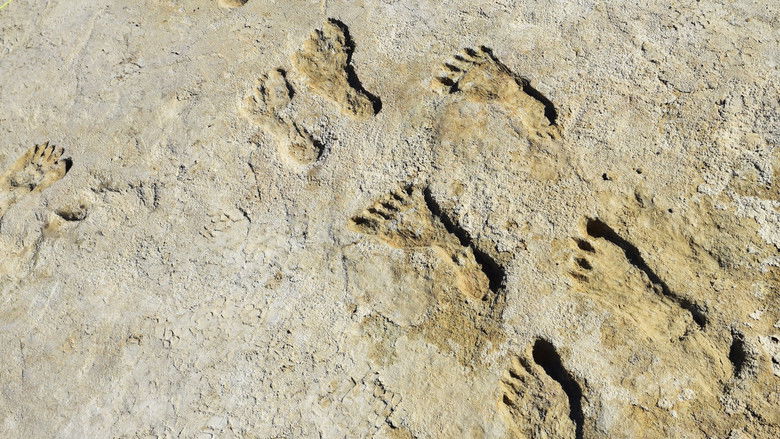
Thousands of ancient footprints stretch for miles across New Mexico’s White Sands National Park, capturing moments when Ice Age humans encountered now-extinct beasts, including mammoths and enormous ground sloths. These footprints tell an intimate story about what life was like during the Ice Age and reveal surprising new evidence about when humans arrived in North America.
Episode 9: Ice Age Footprints
Thousands of ancient footprints stretch for miles across New Mexico’s White Sands National Park, capturing moments when Ice Age humans encountered now-extinct beasts, including mammoths and enormous ground sloths. These footprints tell an intimate story about what life was like during the Ice Age and reveal surprising new evidence about when humans arrived in North America.
 Episode 10: Ultimate Space Telescope
How did NASA engineers build and launch the most ambitious telescope of all time? Follow the dramatic story of the James Webb Space Telescope—the most complex machine ever launched into space. If it works, scientists believe that this new eye on the universe will peer deeper back in time and space than ever before to the birth of galaxies, and may even be able to “sniff” the atmospheres of exoplanets as we search for signs of life beyond Earth. But getting it to work is no easy task. The telescope is far bigger than its predecessor, the famous Hubble Space Telescope, and it needs to make its observations a million miles away from Earth—so there will be no chance to go out and fix it. That means there’s no room for error; the most ambitious telescope ever built needs to work perfectly. Meet the engineers making it happen and join them on their high stakes journey to uncover new secrets of the universe.
Episode 10: Ultimate Space Telescope
How did NASA engineers build and launch the most ambitious telescope of all time? Follow the dramatic story of the James Webb Space Telescope—the most complex machine ever launched into space. If it works, scientists believe that this new eye on the universe will peer deeper back in time and space than ever before to the birth of galaxies, and may even be able to “sniff” the atmospheres of exoplanets as we search for signs of life beyond Earth. But getting it to work is no easy task. The telescope is far bigger than its predecessor, the famous Hubble Space Telescope, and it needs to make its observations a million miles away from Earth—so there will be no chance to go out and fix it. That means there’s no room for error; the most ambitious telescope ever built needs to work perfectly. Meet the engineers making it happen and join them on their high stakes journey to uncover new secrets of the universe.
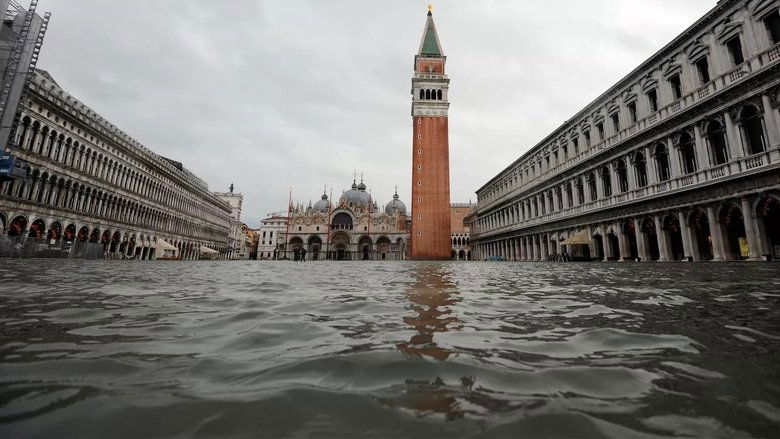 Episode 11: Saving Venice
Rising seas and sinking land threaten to destroy Venice. Can the city’s new hi-tech flood barrier save it? Discover the innovative projects and feats of engineering designed to stop this historic city from being lost to future generations.
Episode 11: Saving Venice
Rising seas and sinking land threaten to destroy Venice. Can the city’s new hi-tech flood barrier save it? Discover the innovative projects and feats of engineering designed to stop this historic city from being lost to future generations.
 Episode 12: Ending HIV in America
Almost 40 years after the discovery of HIV, could we be on the verge of ending the AIDS epidemic in America? How did scientists tackle one of the most elusive deadly viruses to ever infect humans? Can innovative drugs bring new infections to zero?
Episode 12: Ending HIV in America
Almost 40 years after the discovery of HIV, could we be on the verge of ending the AIDS epidemic in America? How did scientists tackle one of the most elusive deadly viruses to ever infect humans? Can innovative drugs bring new infections to zero?