
Episode
NOVA: Human Nature / Gene-Editing Reality Check
Overview
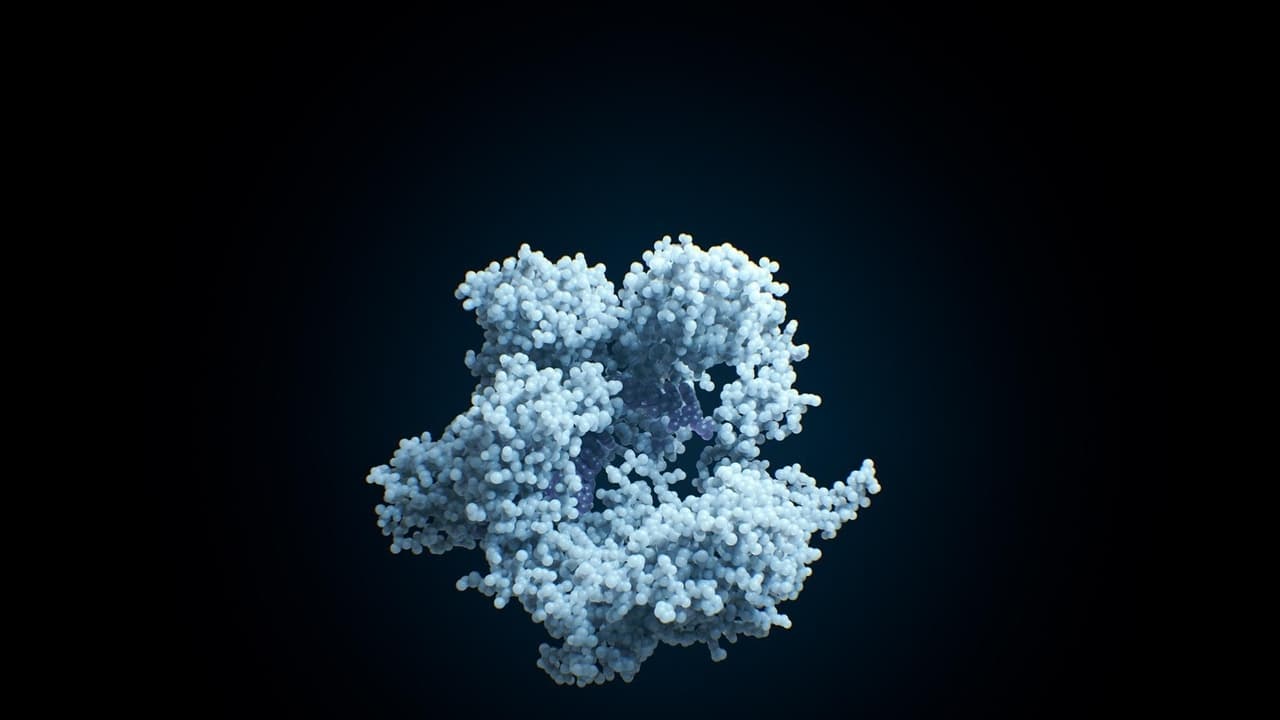
With an extraordinary new technology called CRISPR, we can now edit DNA—including human DNA. But how far should we go? Gene-editing promises to eliminate certain genetic disorders like sickle cell disease. But the applications quickly raise ethical questions. Is it wrong to engineer soldiers to feel no pain, or to resurrect an extinct species?
Details
- Series
- NOVA
- Season
- Season 47
- Episode
- Episode 9
- Air date
- 2020-09-09
- Runtime
- 90 min
Episode context
Human Nature / Gene-Editing Reality Check is Episode 9 in Season 47 of NOVA. It aired on 2020-09-09. The runtime is 90 min.
Previous / Next
 Episode 8: Eagle Power
Eagles dominate the skies. But what makes these predators so special? Researchers study one special bird—and stunning up-close footage reveals her exceptional strength, eyesight, and flying skills. With intimate access to a new bald eagle family, NOVA takes you into the nest to witness the drama of chicks struggling to survive.
Episode 8: Eagle Power
Eagles dominate the skies. But what makes these predators so special? Researchers study one special bird—and stunning up-close footage reveals her exceptional strength, eyesight, and flying skills. With intimate access to a new bald eagle family, NOVA takes you into the nest to witness the drama of chicks struggling to survive.
 Episode 10: Secret Mind of Slime
Scientists investigate the bizarre “intelligence” of slime molds, which appear to learn and make decisions—without a brain. These cunning, single-celled blobs can navigate mazes and create efficient networks. Can they also redefine cognition?
Episode 10: Secret Mind of Slime
Scientists investigate the bizarre “intelligence” of slime molds, which appear to learn and make decisions—without a brain. These cunning, single-celled blobs can navigate mazes and create efficient networks. Can they also redefine cognition?
More episodes from this season
 Episode 7: Decoding COVID-19
The coronavirus SARS-CoV-2 has upended life as we know it in a matter of months. But at the same time, an unprecedented global effort to understand and contain the virus—and find a treatment for the disease it causes—is underway. Join doctors on the front lines of the fight against COVID-19 as they strategize to stop the spread, and meet the researchers racing to develop treatments and vaccines.
Episode 7: Decoding COVID-19
The coronavirus SARS-CoV-2 has upended life as we know it in a matter of months. But at the same time, an unprecedented global effort to understand and contain the virus—and find a treatment for the disease it causes—is underway. Join doctors on the front lines of the fight against COVID-19 as they strategize to stop the spread, and meet the researchers racing to develop treatments and vaccines.
 Episode 11: A to Z: The First Alphabet
Writing shaped our world and the rise of human knowledge, from the trading of goods to tales of ancient goddesses and kings. Follow the evolution of the written word, from 4,000-year-old carvings in an Egyptian turquoise mine to modern-day alphabets.
Episode 11: A to Z: The First Alphabet
Writing shaped our world and the rise of human knowledge, from the trading of goods to tales of ancient goddesses and kings. Follow the evolution of the written word, from 4,000-year-old carvings in an Egyptian turquoise mine to modern-day alphabets.
 Episode 6: The Truth About Fat
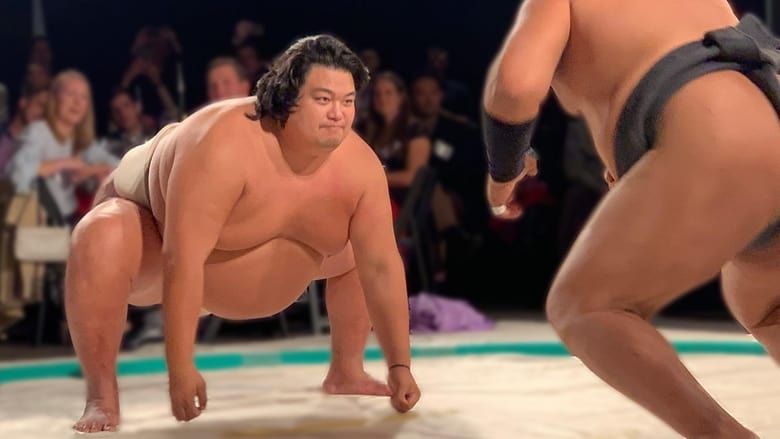
The mysteries of fat and its role in hormone production, hunger and pregnancy.
Episode 6: The Truth About Fat
The mysteries of fat and its role in hormone production, hunger and pregnancy.
 Episode 12: A to Z: How Writing Changed the World
Just as writing changed the course of human history, the evolution of paper and printing revolutionized the spread of information. The printing press kicked off the Industrial Revolution that fast-tracked us to the current digital age. But as the 4,000-year-old tradition of penmanship falls out of favor, should we consider what might be lost in this pursuit of ever more efficient communication? (Premiered September 30, 2020)
Episode 12: A to Z: How Writing Changed the World
Just as writing changed the course of human history, the evolution of paper and printing revolutionized the spread of information. The printing press kicked off the Industrial Revolution that fast-tracked us to the current digital age. But as the 4,000-year-old tradition of penmanship falls out of favor, should we consider what might be lost in this pursuit of ever more efficient communication? (Premiered September 30, 2020)
 Episode 5: Cuba's Cancer Hope
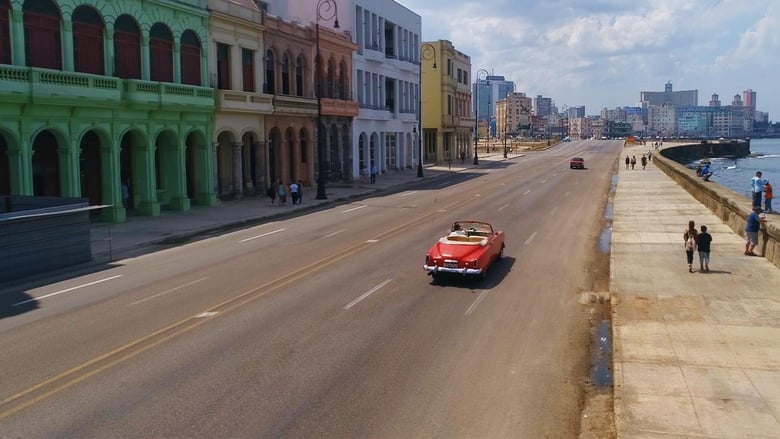
When the U.S. trade embargo left Cuba isolated from medical resources, Cuban scientists were forced to get creative. Now they’ve developed lung cancer vaccines that show so much promise, some Americans are defying the embargo and traveling to Cuba for treatment. In an unprecedented move, Cuban researchers are working with U.S. partners to make the medicines more widely available.
Episode 5: Cuba's Cancer Hope
When the U.S. trade embargo left Cuba isolated from medical resources, Cuban scientists were forced to get creative. Now they’ve developed lung cancer vaccines that show so much promise, some Americans are defying the embargo and traveling to Cuba for treatment. In an unprecedented move, Cuban researchers are working with U.S. partners to make the medicines more widely available.
 Episode 13: Nature's Fear Factor
For animals in Mozambique’s Gorongosa National Park, the normal balance of competition and predation was upended when a war wiped out the top predators. The remaining animals didn’t simply grow in numbers—they began behaving in unusual ways, veering outside their typical territories and feeding patterns. Could it be that it’s not just predators’ kills that keep other populations in check, but also the fear they inspire? NOVA joins a team of scientists as they reintroduce wild dogs to Gorongosa to find out if restoring the park’s “landscape of fear” can restore balance to an entire ecosystem. (Premiered October 14, 2020)
Episode 13: Nature's Fear Factor
For animals in Mozambique’s Gorongosa National Park, the normal balance of competition and predation was upended when a war wiped out the top predators. The remaining animals didn’t simply grow in numbers—they began behaving in unusual ways, veering outside their typical territories and feeding patterns. Could it be that it’s not just predators’ kills that keep other populations in check, but also the fear they inspire? NOVA joins a team of scientists as they reintroduce wild dogs to Gorongosa to find out if restoring the park’s “landscape of fear” can restore balance to an entire ecosystem. (Premiered October 14, 2020)
 Episode 4: Mysteries of Sleep
From fruit flies to whales, virtually every animal sleeps. But why? Why do we need to spend nearly a third of our lives in such a defenseless state? Scientists are peering more deeply into the sleeping brain than ever before, discovering just how powerful sleep can be, playing a role in everything from memory retention and emotional regulation to removing waste from our brains.
Episode 4: Mysteries of Sleep
From fruit flies to whales, virtually every animal sleeps. But why? Why do we need to spend nearly a third of our lives in such a defenseless state? Scientists are peering more deeply into the sleeping brain than ever before, discovering just how powerful sleep can be, playing a role in everything from memory retention and emotional regulation to removing waste from our brains.
 Episode 14: Touching the Asteroid
In October 2020, a NASA spacecraft called OSIRIS-REx attempts to reach out and grab a piece of an asteroid named Bennu to bring it back to Earth. The OSIRIS-REx team has just three chances to extend its spacecraft’s specialized arm, touch down for five seconds, and collect material from the surface of Bennu. But if they can pull it off, scientists could gain great insight into Earth’s own origins—and even learn to defend against rogue asteroids that may one day threaten our planet. (Premiering October 21, 2020 at 9 pm on PBS)
Episode 14: Touching the Asteroid
In October 2020, a NASA spacecraft called OSIRIS-REx attempts to reach out and grab a piece of an asteroid named Bennu to bring it back to Earth. The OSIRIS-REx team has just three chances to extend its spacecraft’s specialized arm, touch down for five seconds, and collect material from the surface of Bennu. But if they can pull it off, scientists could gain great insight into Earth’s own origins—and even learn to defend against rogue asteroids that may one day threaten our planet. (Premiering October 21, 2020 at 9 pm on PBS)
 Episode 3: Cat Tales
Worshipped as a goddess, condemned as satanic, and spun into a stunning array of breeds, cats have long fascinated humans. But did we ever really domesticate them? And what can science tell us about our most mysterious companions?
Episode 3: Cat Tales
Worshipped as a goddess, condemned as satanic, and spun into a stunning array of breeds, cats have long fascinated humans. But did we ever really domesticate them? And what can science tell us about our most mysterious companions?
 Episode 15: Can We Cool the Planet?
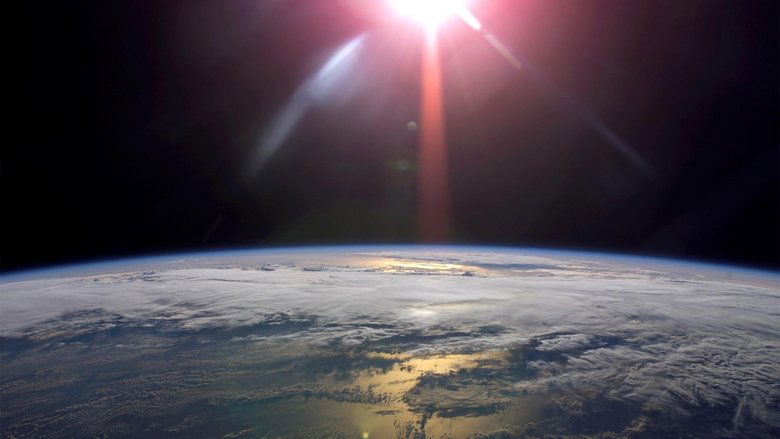
As global temperatures continue to rise, scientists are wondering if we need solutions beyond reducing emissions. Enter geoengineering. From sucking carbon straight out of the air to physically blocking out sunlight, the options may seem far-fetched. But as time runs out on conventional solutions to climate change, scientists are asking the hard questions: Can geoengineering really work? How much would it cost? And what are the risks of engineering Earth's climate? (Premiering October 28 at 9 pm on PBS)
Episode 15: Can We Cool the Planet?
As global temperatures continue to rise, scientists are wondering if we need solutions beyond reducing emissions. Enter geoengineering. From sucking carbon straight out of the air to physically blocking out sunlight, the options may seem far-fetched. But as time runs out on conventional solutions to climate change, scientists are asking the hard questions: Can geoengineering really work? How much would it cost? And what are the risks of engineering Earth's climate? (Premiering October 28 at 9 pm on PBS)