Episode
NOVA: Petra: Lost City of Stone
Overview
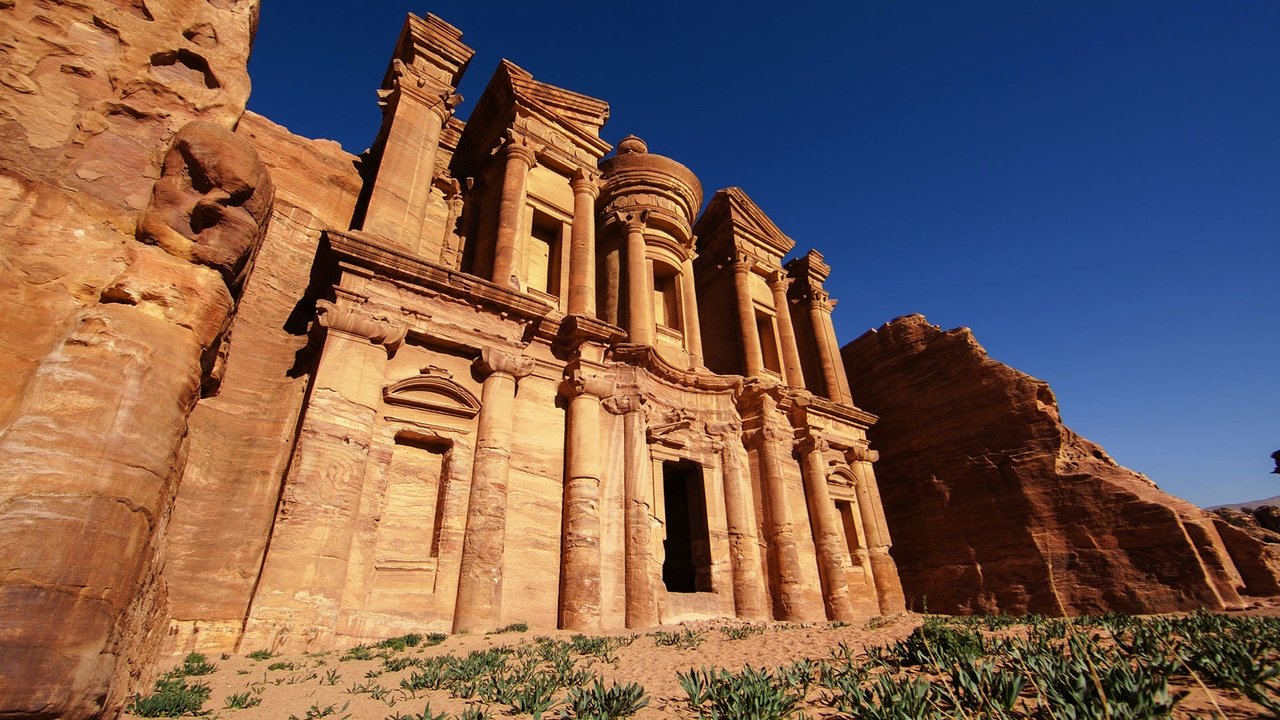
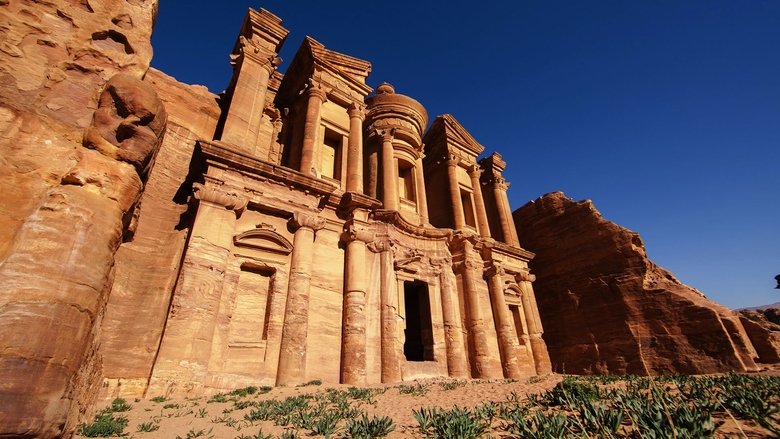
In a daring experiment, an archaeologist and sculptors team up to carve an iconic temple-tomb to find out how the ancient people of Petra built their city of stone. Meanwhile, scientists using remote sensors and hydraulic flumes uncover the vast city and its sophisticated water system. The race is on to discover how these nomads created an oasis of culture in one of the harshest climates on Earth.
Details
- Series
- NOVA
- Season
- Season 42
- Episode
- Episode 15
- Air date
- 2015-02-18
- Runtime
- 55 min
Episode context
Petra: Lost City of Stone is Episode 15 in Season 42 of NOVA. It aired on 2015-02-18. The runtime is 55 min.
Previous / Next
 Episode 14: Colosseum: Roman Death Trap
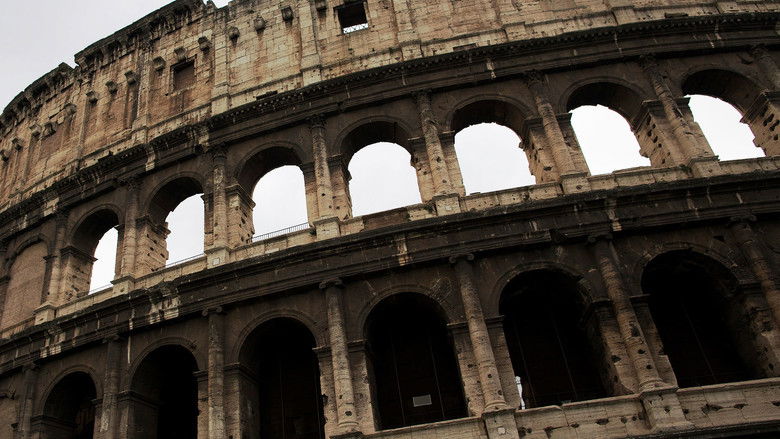
One of the ancient world's most iconic buildings, the Colosseum is a monument to Roman imperial power and cruelty. Its graceful lines and harmonious proportions concealed a highly efficient design and advanced construction methods that made hundreds of arches out of 100,000 tons of stone. In its elliptical arena, tens of thousands of gladiators, slaves, prisoners, and wild animals met their deaths. Ancient texts report lions and elephants emerging from beneath the floor, as if by magic, to ravage gladiators and people condemned to death. Then, just as quickly, the Colosseum could be flooded with so much water that ships could engage in sea battles to the delight of the crowd. Now, archaeologists and engineers are teaming up to recreate a 25-foot lifting machine and trap door system capable of releasing a wolf into the Colosseum's arena for the first time in 1,500 years. Do they have what it takes to replicate the innovation and ingenuity of the Romans?
Episode 14: Colosseum: Roman Death Trap
One of the ancient world's most iconic buildings, the Colosseum is a monument to Roman imperial power and cruelty. Its graceful lines and harmonious proportions concealed a highly efficient design and advanced construction methods that made hundreds of arches out of 100,000 tons of stone. In its elliptical arena, tens of thousands of gladiators, slaves, prisoners, and wild animals met their deaths. Ancient texts report lions and elephants emerging from beneath the floor, as if by magic, to ravage gladiators and people condemned to death. Then, just as quickly, the Colosseum could be flooded with so much water that ships could engage in sea battles to the delight of the crowd. Now, archaeologists and engineers are teaming up to recreate a 25-foot lifting machine and trap door system capable of releasing a wolf into the Colosseum's arena for the first time in 1,500 years. Do they have what it takes to replicate the innovation and ingenuity of the Romans?
 Episode 16: Hagia Sophia: Istanbul’s Ancient Mystery
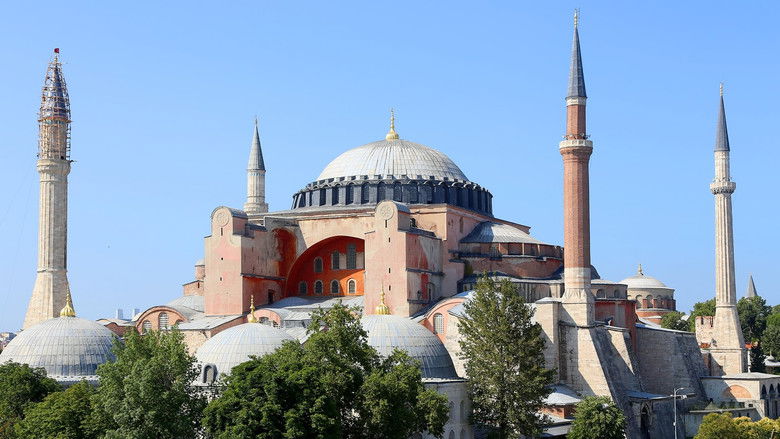
Whether serving as Christian church, Islamic mosque, or secular museum, Hagia Sophia and its saring dome have inspired reverence and awe. For 800 years, it was the largest enclosed building in the world—the Statue of Liberty can fit beneath its dome with room to spare. How has it survived its location on one of the world’s most active seismic faults, which has inflicted a dozen devastating earthquakes since it was built in 537? As Istanbul braces for the next big quake, a team of architects and engineers is urgently investigating Hagia Sophia’s seismic secrets. Follow engineers as they build a massive 8-ton model of the building’s core structure, place it on a motorized shake table, and hit it with a series of simulated quakes, pushing it collapse—a fate that the team is determined to avoid with the real building.
Episode 16: Hagia Sophia: Istanbul’s Ancient Mystery
Whether serving as Christian church, Islamic mosque, or secular museum, Hagia Sophia and its saring dome have inspired reverence and awe. For 800 years, it was the largest enclosed building in the world—the Statue of Liberty can fit beneath its dome with room to spare. How has it survived its location on one of the world’s most active seismic faults, which has inflicted a dozen devastating earthquakes since it was built in 537? As Istanbul braces for the next big quake, a team of architects and engineers is urgently investigating Hagia Sophia’s seismic secrets. Follow engineers as they build a massive 8-ton model of the building’s core structure, place it on a motorized shake table, and hit it with a series of simulated quakes, pushing it collapse—a fate that the team is determined to avoid with the real building.
More episodes from this season
 Episode 13: Sinkholes—Buried Alive
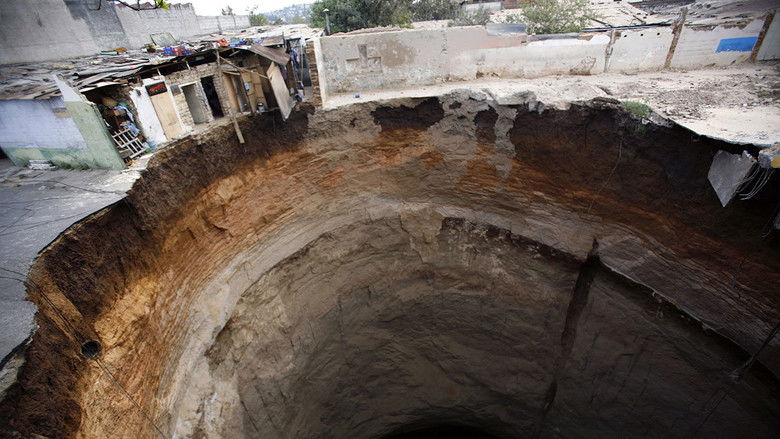
These geological hazards have swallowed highways, apartment buildings, horses, camels, even golfers, with monster-size holes cracking the earth from Siberia to Louisiana. Filled with compelling eyewitness video of dramatic collapses, and following scientists as they explore the underlying forces behind these natural disasters, NOVA travels the globe to investigate what it's like to have your world vanish beneath your feet.
Episode 13: Sinkholes—Buried Alive
These geological hazards have swallowed highways, apartment buildings, horses, camels, even golfers, with monster-size holes cracking the earth from Siberia to Louisiana. Filled with compelling eyewitness video of dramatic collapses, and following scientists as they explore the underlying forces behind these natural disasters, NOVA travels the globe to investigate what it's like to have your world vanish beneath your feet.
 Episode 17: The Great Math Mystery
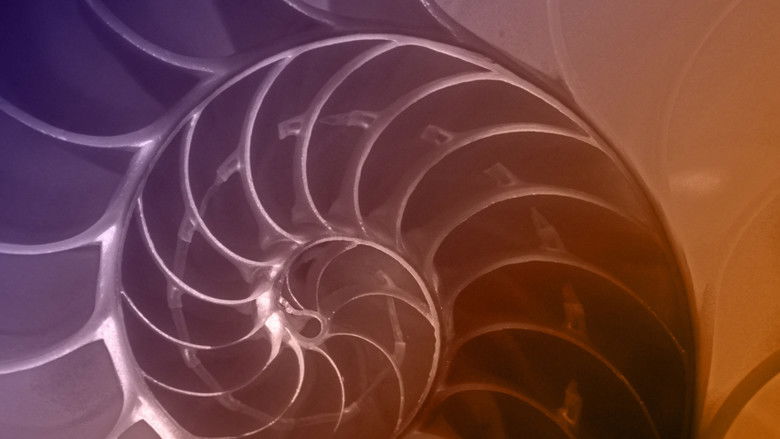
Join NOVA on a mathematical mystery tour—a provocative exploration of math's astonishing power across the centuries. We discover math's signature in the swirl of a nautilus shell, the whirlpool of a galaxy, and the spiral in the center of a sunflower. Math was essential to everything from the first wireless radio transmissions to the prediction and discovery of the Higgs boson and the successful landing of rovers on Mars. Astrophysicist and writer Mario Livio, along with a colorful cast of mathematicians, physicists, and engineers, follow math from Pythagoras to Einstein and beyond. It all leads to the ultimate riddle: Is math a human invention or the discovery of the language of the universe?
Episode 17: The Great Math Mystery
Join NOVA on a mathematical mystery tour—a provocative exploration of math's astonishing power across the centuries. We discover math's signature in the swirl of a nautilus shell, the whirlpool of a galaxy, and the spiral in the center of a sunflower. Math was essential to everything from the first wireless radio transmissions to the prediction and discovery of the Higgs boson and the successful landing of rovers on Mars. Astrophysicist and writer Mario Livio, along with a colorful cast of mathematicians, physicists, and engineers, follow math from Pythagoras to Einstein and beyond. It all leads to the ultimate riddle: Is math a human invention or the discovery of the language of the universe?
 Episode 12: Sunken Ship Rescue
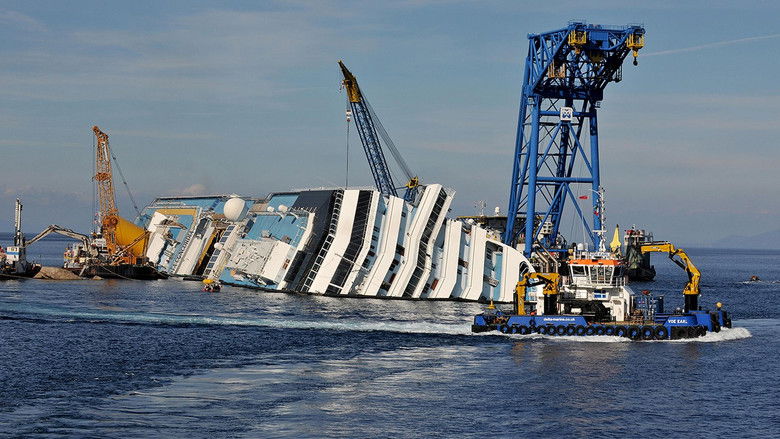
Follow the epic operation to secure, raise, and salvage the Costa Concordia cruise ship, which ran aground and tragically capsized off the coast of Italy on January 13, 2012, killing 32 people. The massive wreck—with a 160-foot-long hole in its hull—stretches the length of three football fields, weighs 45,000 tons, and was half submerged on the site of a protected reef. Moving it from its precarious perch on the edge of an underwater cliff turned into a technical and logistical challenge of staggering proportions.
Episode 12: Sunken Ship Rescue
Follow the epic operation to secure, raise, and salvage the Costa Concordia cruise ship, which ran aground and tragically capsized off the coast of Italy on January 13, 2012, killing 32 people. The massive wreck—with a 160-foot-long hole in its hull—stretches the length of three football fields, weighs 45,000 tons, and was half submerged on the site of a protected reef. Moving it from its precarious perch on the edge of an underwater cliff turned into a technical and logistical challenge of staggering proportions.
 Episode 18: Invisible Universe Revealed
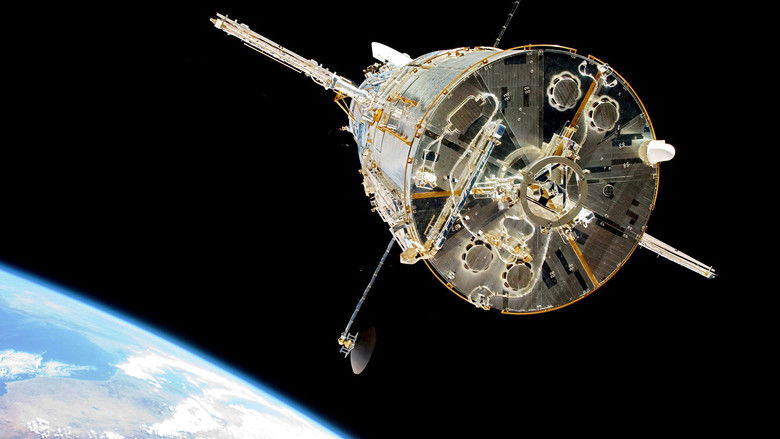
Twenty-five years ago, NASA launched one of the most ambitious experiments in the history of astronomy: the Hubble Space Telescope. In honor of Hubble's landmark anniversary, NOVA tells the remarkable story of the telescope that forever changed our understanding of the cosmos. But Hubble's early days nearly doomed it to failure: a one-millimeter engineering blunder had turned the billion-dollar telescope into an object of ridicule. It fell to five heroic astronauts in a daring mission to return Hubble to the cutting edge of science. This single telescope has helped astronomers pinpoint the age of the universe, revealed the birthplace of stars and planets, advanced our understanding of dark energy and cosmic expansion, and uncovered black holes lurking at the heart of galaxies. Join NOVA for the story of this magnificent machine and its astonishing discoveries.
Episode 18: Invisible Universe Revealed
Twenty-five years ago, NASA launched one of the most ambitious experiments in the history of astronomy: the Hubble Space Telescope. In honor of Hubble's landmark anniversary, NOVA tells the remarkable story of the telescope that forever changed our understanding of the cosmos. But Hubble's early days nearly doomed it to failure: a one-millimeter engineering blunder had turned the billion-dollar telescope into an object of ridicule. It fell to five heroic astronauts in a daring mission to return Hubble to the cutting edge of science. This single telescope has helped astronomers pinpoint the age of the universe, revealed the birthplace of stars and planets, advanced our understanding of dark energy and cosmic expansion, and uncovered black holes lurking at the heart of galaxies. Join NOVA for the story of this magnificent machine and its astonishing discoveries.
 Episode 11: Big Bang Machine
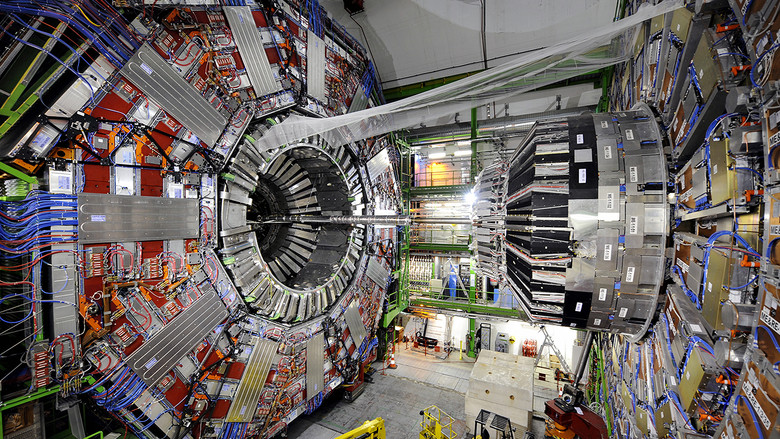
On July 4, 2012, scientists at the giant atom smashing facility at CERN announced the discovery of a subatomic particle that seems like a tantalizingly close match to the elusive Higgs Boson, thought to be responsible for giving all the stuff in the universe its mass. Since it was first proposed nearly fifty years ago, the Higgs has been the holy grail of particle physicists: in finding it they validate the "standard model" that underlies all of modern physics and open the door to new discoveries when CERN's giant collider switches on at higher power in 2015.
Episode 11: Big Bang Machine
On July 4, 2012, scientists at the giant atom smashing facility at CERN announced the discovery of a subatomic particle that seems like a tantalizingly close match to the elusive Higgs Boson, thought to be responsible for giving all the stuff in the universe its mass. Since it was first proposed nearly fifty years ago, the Higgs has been the holy grail of particle physicists: in finding it they validate the "standard model" that underlies all of modern physics and open the door to new discoveries when CERN's giant collider switches on at higher power in 2015.
 Episode 19: Nazi Attack on America
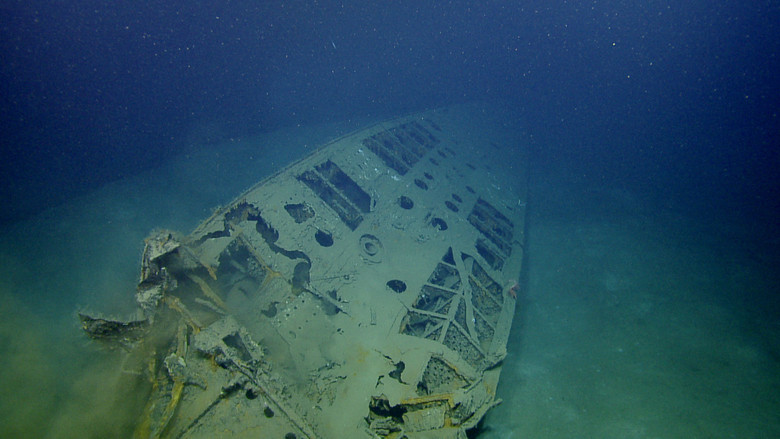
Long before 9/11, a far deadlier, little-known attack from the ocean depths struck our shores, lasting three-and-a-half years and claiming 5,000 lives. Now, famed undersea explorer Bob Ballard, discoverer of the Titanic, investigates the wreck of one of the attack craft, a German submarine that lies at the bottom of the gulf just a few miles off New Orleans. U-166 was part of Operation Drumbeat, a highly successful U-boat operation that caught East Coast cities and shipping almost completely unprepared. Ballard probes the wreck and unravels a dramatic mystery in the official story of the sub's sinking.
Episode 19: Nazi Attack on America
Long before 9/11, a far deadlier, little-known attack from the ocean depths struck our shores, lasting three-and-a-half years and claiming 5,000 lives. Now, famed undersea explorer Bob Ballard, discoverer of the Titanic, investigates the wreck of one of the attack craft, a German submarine that lies at the bottom of the gulf just a few miles off New Orleans. U-166 was part of Operation Drumbeat, a highly successful U-boat operation that caught East Coast cities and shipping almost completely unprepared. Ballard probes the wreck and unravels a dramatic mystery in the official story of the sub's sinking.
 Episode 10: First Man on the Moon
When Neil Armstrong set foot on the moon, he won instant fame. Yet this accomplished engineer and test pilot was so determined to stay out of the limelight that few know the personal story of how his rare combination of talent, luck and experience led to his successful command of Apollo 11. NOVA presents an intimate portrait of an unassuming American hero through interviews with Armstrong’s family and friends.
Episode 10: First Man on the Moon
When Neil Armstrong set foot on the moon, he won instant fame. Yet this accomplished engineer and test pilot was so determined to stay out of the limelight that few know the personal story of how his rare combination of talent, luck and experience led to his successful command of Apollo 11. NOVA presents an intimate portrait of an unassuming American hero through interviews with Armstrong’s family and friends.
 Episode 20: Lethal Seas
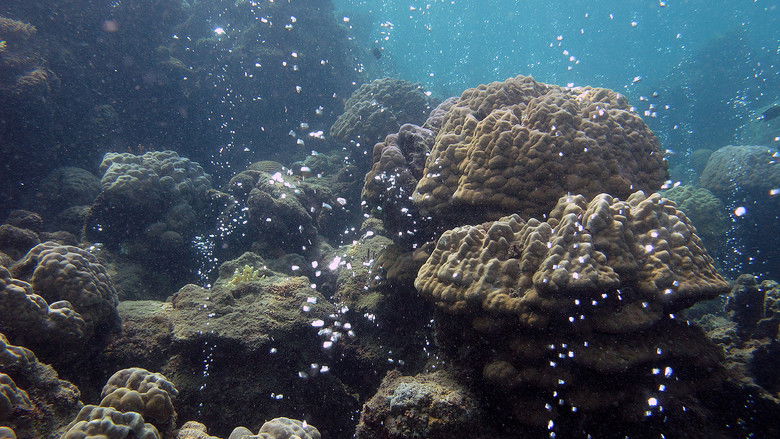
Sharply rising carbon emissions are entering Earth's seas at a staggering rate, raising their acidity. Learn how scientists are researching the effects and looking for solutions.
Episode 20: Lethal Seas
Sharply rising carbon emissions are entering Earth's seas at a staggering rate, raising their acidity. Learn how scientists are researching the effects and looking for solutions.
 Episode 9: Killer Landslides
In less than two minutes in March, a one-square-mile field of debris slammed into the Washington state community of Oso, killing 41 and destroying nearly 50 homes. Drawing on analysis of other recent landslides around the world, geologists are investigating what triggered the deadliest U.S. landslide in decades and whether climate change is increasing the risk of similar disasters around the globe.
Episode 9: Killer Landslides
In less than two minutes in March, a one-square-mile field of debris slammed into the Washington state community of Oso, killing 41 and destroying nearly 50 homes. Drawing on analysis of other recent landslides around the world, geologists are investigating what triggered the deadliest U.S. landslide in decades and whether climate change is increasing the risk of similar disasters around the globe.
 Episode 21: Chasing Pluto
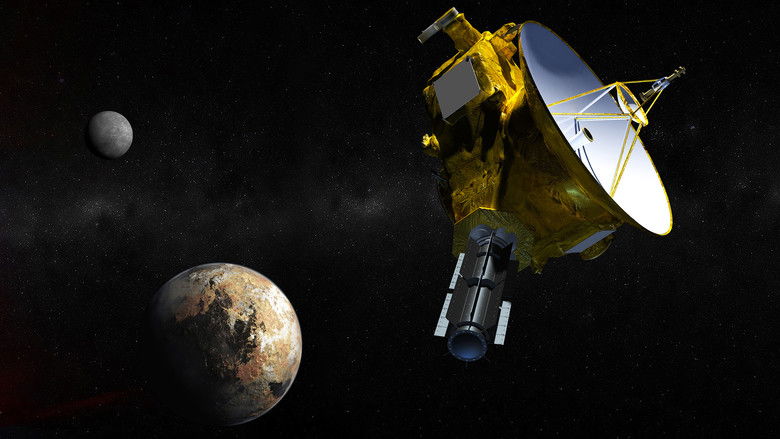
On July 14, 2015, the New Horizons spacecraft, one of the most advanced ever built, is scheduled to fly by Pluto to take the very first detailed images of the dwarf planet. After nine years and 3 billion miles, we will finally get a close look at this strange, icy world, but only if the craft can survive the final, treacherous leg of its journey, which could take it through a dangerous field of debris. If it does, New Horizons is poised to make dramatic new discoveries, not just about Pluto, but about the vast realm of icy bodies lurking beyond Neptune, relics of the earliest days of the solar system’s formation. Back on Earth, the planetary scientists who have spent decades working on this mission anxiously await a signal from their spacecraft. Our cameras will be there to witness the moment. If all goes well, we’ll see Pluto’s mysterious surface in unprecedented detail and learn new secrets about other alien worlds at the far limits of our solar system.
Episode 21: Chasing Pluto
On July 14, 2015, the New Horizons spacecraft, one of the most advanced ever built, is scheduled to fly by Pluto to take the very first detailed images of the dwarf planet. After nine years and 3 billion miles, we will finally get a close look at this strange, icy world, but only if the craft can survive the final, treacherous leg of its journey, which could take it through a dangerous field of debris. If it does, New Horizons is poised to make dramatic new discoveries, not just about Pluto, but about the vast realm of icy bodies lurking beyond Neptune, relics of the earliest days of the solar system’s formation. Back on Earth, the planetary scientists who have spent decades working on this mission anxiously await a signal from their spacecraft. Our cameras will be there to witness the moment. If all goes well, we’ll see Pluto’s mysterious surface in unprecedented detail and learn new secrets about other alien worlds at the far limits of our solar system.