
Episode
The Untouchables: Line of Fire
Overview
Chicago, January 1933. Danceland has a big sign, ""30 girls, open until 2 a.m."" Inside, customers mingle with the dime-a-dance girls. Hoofer Ellie Haskell says goodnight to the owner, Marty Pulaski; outside, she is immediately shot by a sniper on the roof of a building across the street-- the sniper is Herbie Pulaski, Marty's mentally disturbed brother. Lt. Roy Gunther is on the case, he questions Marty, who has 20% of the dancing racket. However, Marty is sure his main competitor, Vince Bogan who owns 80% of the dance racket, is responsible for the killing.
Details
- Series
- The Untouchables
- Season
- Season 4
- Episode
- Episode 29
- Air date
- 1963-05-14
- Runtime
- 60 min
Episode context
Line of Fire is Episode 29 in Season 4 of The Untouchables. It aired on 1963-05-14. The runtime is 60 min.
Previous / Next
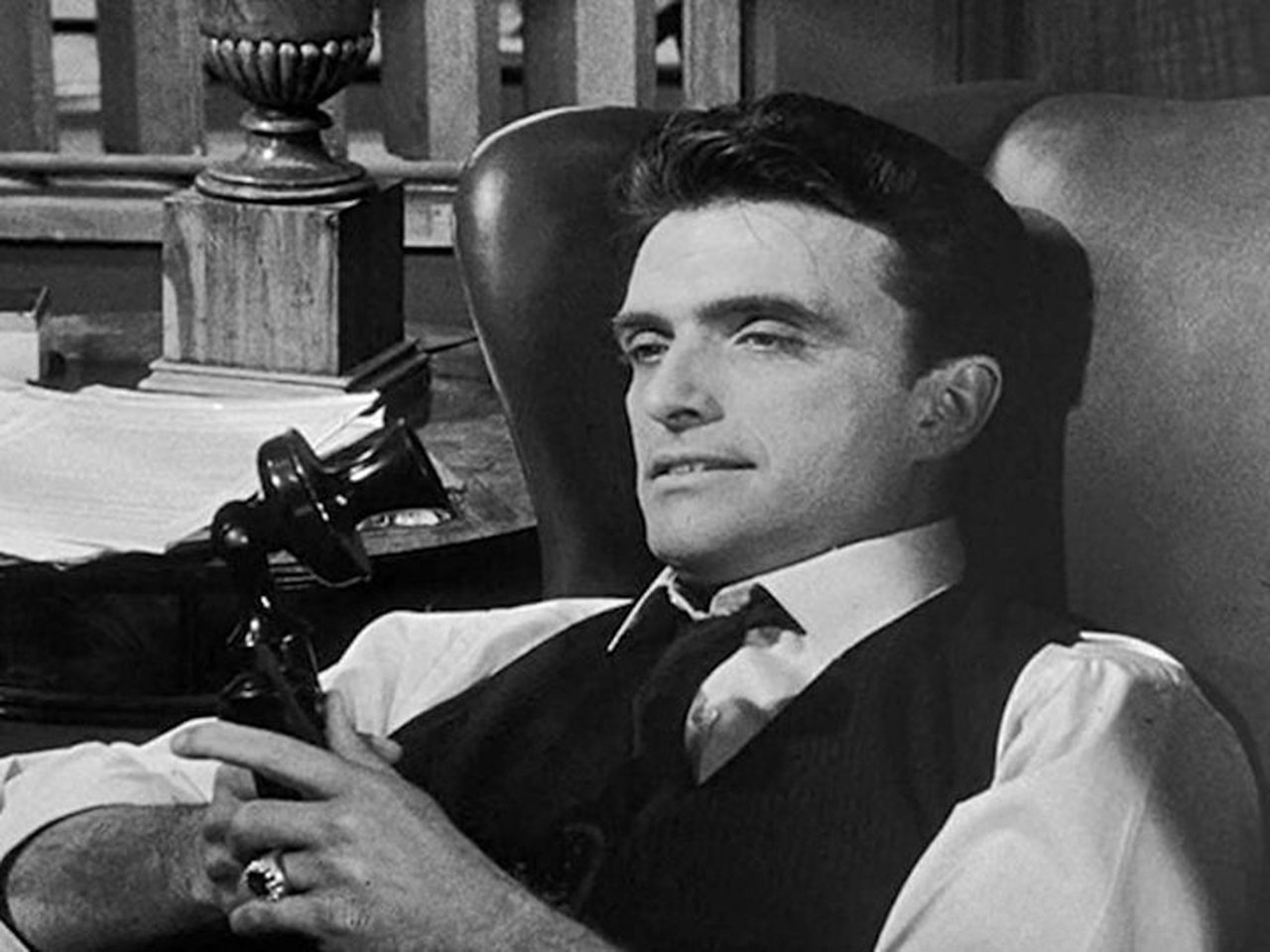
 Episode 28: The Torpedo
April 3, 1931. Vic's Diner, near the Chicago railroad yards; on the surface, no different than a hundred other diners. The blue plate special is 35 cents; a nickel would buy either a hamburger, or a cup of Joe and a sinker. The backroom is the headquarters of Victor Kurtz, bootleg czar of the Chicago southside. Right now he, along with his enforcer Holly Kester, The Torpedo, are having a meet with the boss of the northside, Monk Lyselle and his lieutenant Carl Danzig.
Episode 28: The Torpedo
April 3, 1931. Vic's Diner, near the Chicago railroad yards; on the surface, no different than a hundred other diners. The blue plate special is 35 cents; a nickel would buy either a hamburger, or a cup of Joe and a sinker. The backroom is the headquarters of Victor Kurtz, bootleg czar of the Chicago southside. Right now he, along with his enforcer Holly Kester, The Torpedo, are having a meet with the boss of the northside, Monk Lyselle and his lieutenant Carl Danzig.
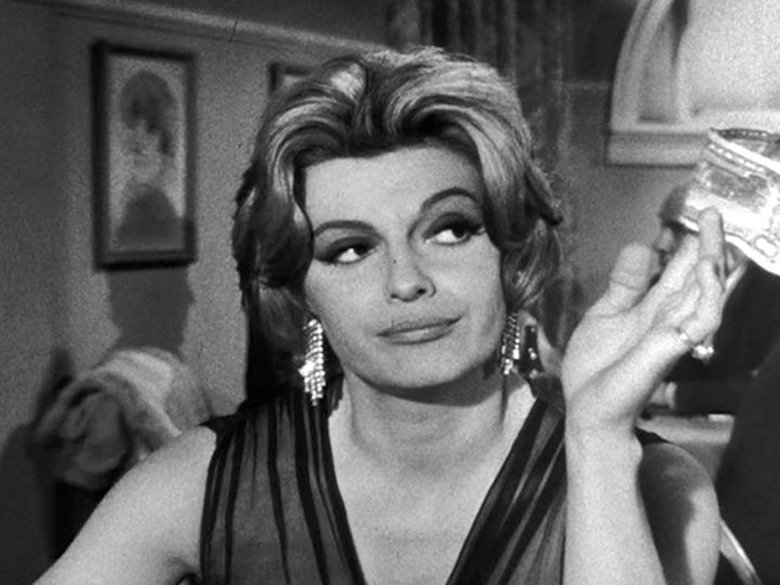
 Episode 30: A Taste for Pineapple
May 14, 1931. Eliot Ness and his men notice that the top bosses are leaving Chicago: Frank Nitti has gone to Atlantic City; Bugs Moran and Jack Diamond have left, too. As Ness puts it, ""The rats are leaving the ship."" Obviously, they want to be out of town when someone important is hit. What Eliot doesn't know is that he is the target.
Episode 30: A Taste for Pineapple
May 14, 1931. Eliot Ness and his men notice that the top bosses are leaving Chicago: Frank Nitti has gone to Atlantic City; Bugs Moran and Jack Diamond have left, too. As Ness puts it, ""The rats are leaving the ship."" Obviously, they want to be out of town when someone important is hit. What Eliot doesn't know is that he is the target.
More episodes from this season
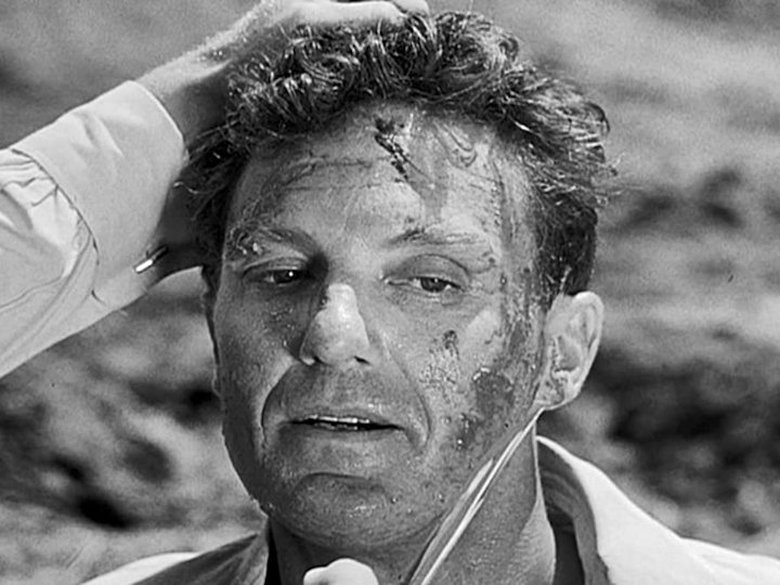
 Episode 27: The Jazz Man
During the blistering summer of 1931, Ness and his men are working tirelessly against both the illicit whiskey and the narcotics that are flooding the city. One morning, a despondent Capt. Jim Johnson visits Ness in his office; Capt. Johnson had been on a raid that netted 50 dope addicts-- one of them was his son Buz. Ness talks to Buz behind bars.
Episode 27: The Jazz Man
During the blistering summer of 1931, Ness and his men are working tirelessly against both the illicit whiskey and the narcotics that are flooding the city. One morning, a despondent Capt. Jim Johnson visits Ness in his office; Capt. Johnson had been on a raid that netted 50 dope addicts-- one of them was his son Buz. Ness talks to Buz behind bars.
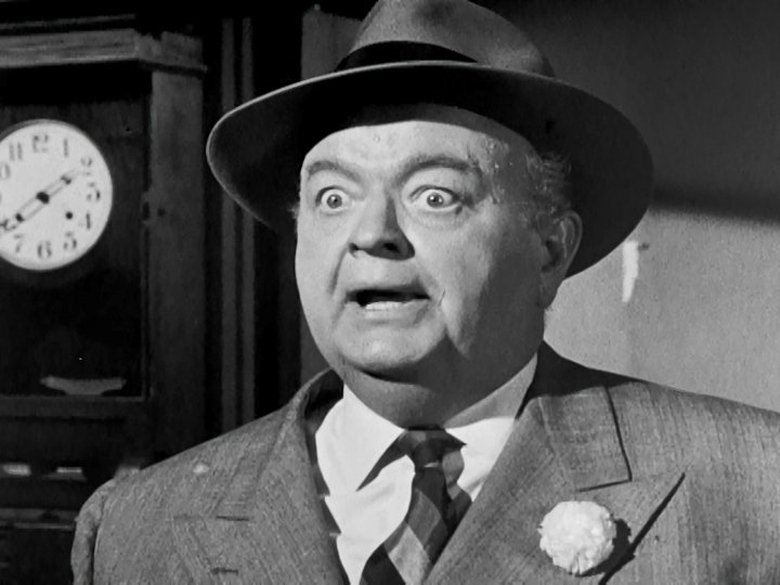
 Episode 26: The Charlie Argos Story
June 25, 1933. Ness and Lee Hobson are called to the Castle, a baronial estate just outside of Chicago, which is both the headquarters and home of the underworld's notorious ""King"" Frank Argos; he is one of Ness' old foes. Argos' attorney Eli Halstead explains that wealthy Frank Argos is about to die; he wants to leave his $5-million in bonds to his long-lost son.
Episode 26: The Charlie Argos Story
June 25, 1933. Ness and Lee Hobson are called to the Castle, a baronial estate just outside of Chicago, which is both the headquarters and home of the underworld's notorious ""King"" Frank Argos; he is one of Ness' old foes. Argos' attorney Eli Halstead explains that wealthy Frank Argos is about to die; he wants to leave his $5-million in bonds to his long-lost son.
 Episode 25: The Giant Killer
April 28, 1932. Chicago. 3,500 fans are at the arena, watching the end of a 7-day bicycle race. But Ed ""Duke"" Monte is there to make a drop-off. Ness and Lee Hobson catch him, with a quarter of a million dollars in counterfeit bills in his leather bag. On May 25, Monte is sentenced to 10-15 years in the State Pen. That same day, at Monte's old headquarters (the Odeon Theatre which specializes in Burlesque), his former lieutenant, Lou Sultan, is having the guy he accuses of being the stoolie, Parrot Krebs, worked over by his thugs.
Episode 25: The Giant Killer
April 28, 1932. Chicago. 3,500 fans are at the arena, watching the end of a 7-day bicycle race. But Ed ""Duke"" Monte is there to make a drop-off. Ness and Lee Hobson catch him, with a quarter of a million dollars in counterfeit bills in his leather bag. On May 25, Monte is sentenced to 10-15 years in the State Pen. That same day, at Monte's old headquarters (the Odeon Theatre which specializes in Burlesque), his former lieutenant, Lou Sultan, is having the guy he accuses of being the stoolie, Parrot Krebs, worked over by his thugs.
 Episode 24: One Last Killing
February 1, 1933. Late that night, John ""The Cropper"" Cropsie, the Enforcer for Jules Flack (boss of the Westside combine), stood in the back alley behind the Lido Burlesque house, by the stagedoor entrance-- and pumped some slugs into David Alpine, the key booze supplier for the combine (because he was also selling to the competition). On the night of February 2, Eliot Ness is having Cropsie reenact the crime in front of an eyewitness to the shooting.
Episode 24: One Last Killing
February 1, 1933. Late that night, John ""The Cropper"" Cropsie, the Enforcer for Jules Flack (boss of the Westside combine), stood in the back alley behind the Lido Burlesque house, by the stagedoor entrance-- and pumped some slugs into David Alpine, the key booze supplier for the combine (because he was also selling to the competition). On the night of February 2, Eliot Ness is having Cropsie reenact the crime in front of an eyewitness to the shooting.
 Episode 23: The Spoiler
New Jersey waterfront, 1933. Johnny Mizo had been marked for death by the American crime cartel; he had fled to Brazil. Now, he has returned to America to get the $200,000 he had hastily stashed in a hideout before fleeing. The Captain tells Mizo he has exactly 11 days, and then the ship sails back to Rio de Janeiro, with or without him.
Episode 23: The Spoiler
New Jersey waterfront, 1933. Johnny Mizo had been marked for death by the American crime cartel; he had fled to Brazil. Now, he has returned to America to get the $200,000 he had hastily stashed in a hideout before fleeing. The Captain tells Mizo he has exactly 11 days, and then the ship sails back to Rio de Janeiro, with or without him.
 Episode 22: The Butcher's Boy
Racketeer Gus Ducek is fingered to be knocked off. But when the car with the hitmen drives towards him, Ducek's boys fire back with machine guns, turning the tables; one hitman dies, Boley Davis escapes. Watching the botched rubout attempt are Lt. Philip Hedden and Sgt. Davey McCain. Eliot Ness and his men are out to pin the murder attempt on Hedden, since the hitmen were driving one of his cars.
Episode 22: The Butcher's Boy
Racketeer Gus Ducek is fingered to be knocked off. But when the car with the hitmen drives towards him, Ducek's boys fire back with machine guns, turning the tables; one hitman dies, Boley Davis escapes. Watching the botched rubout attempt are Lt. Philip Hedden and Sgt. Davey McCain. Eliot Ness and his men are out to pin the murder attempt on Hedden, since the hitmen were driving one of his cars.
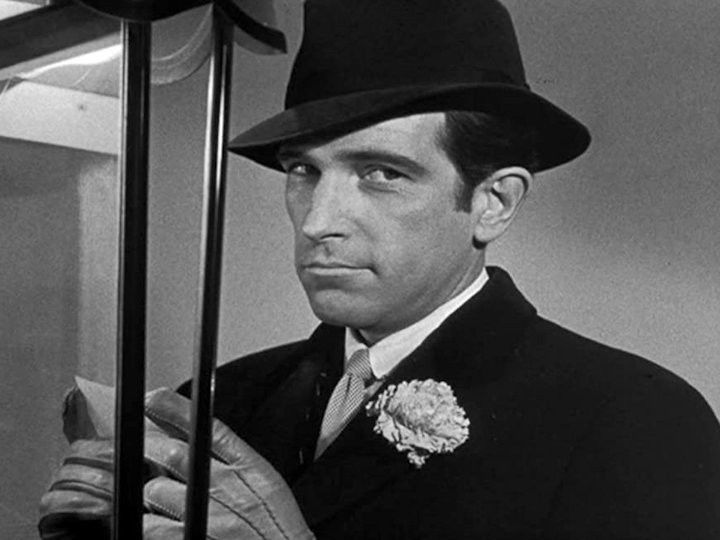 Episode 21: The Man in the Cooler
January 1932. Smalltime bootlegger Al Remp is serving 3-5 years in prison; he's done 3 years and is up for parole next week, but it seems he won't get it. The guards put him in solitary, and Remp has a visitor: Eliot Ness. Remp tells him, ""I got nothing to say to you."" But Ness tells him that if he agrees to help him nail bigtime bootlegger ""Fat"" Augie Strom, his former boss, he'll get that parole; or else 2 more years is a long time.
Episode 21: The Man in the Cooler
January 1932. Smalltime bootlegger Al Remp is serving 3-5 years in prison; he's done 3 years and is up for parole next week, but it seems he won't get it. The guards put him in solitary, and Remp has a visitor: Eliot Ness. Remp tells him, ""I got nothing to say to you."" But Ness tells him that if he agrees to help him nail bigtime bootlegger ""Fat"" Augie Strom, his former boss, he'll get that parole; or else 2 more years is a long time.
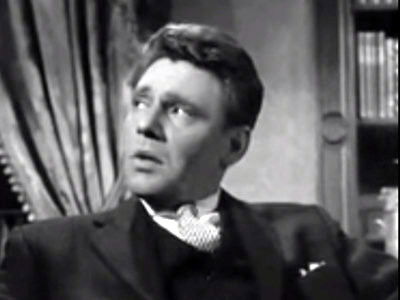 Episode 20: Junk Man
Chicago, 1931. On the Southside, on a dead end street, there is a junkyard-- but it's really a front for a narcotics empire, run by gangster Victor Salazar. Ness and his men are on the case; they keep intercepting his trucks, carrying shipments of narcotics. Barney Howe tells his boss Salazar that his problem is the operation's too spread out; but one big shipment will give him the Northside, too-- Barney says he will ""put Chicago in his pocket."" Late at night, they get a call from a hood named Kierson who has info in his briefcase: the time and route of a $2-million commercial shipment of morphine crystals to a medical research center; he's to meet them at the corner of Mohawk and 23rd in 10 minutes.
Episode 20: Junk Man
Chicago, 1931. On the Southside, on a dead end street, there is a junkyard-- but it's really a front for a narcotics empire, run by gangster Victor Salazar. Ness and his men are on the case; they keep intercepting his trucks, carrying shipments of narcotics. Barney Howe tells his boss Salazar that his problem is the operation's too spread out; but one big shipment will give him the Northside, too-- Barney says he will ""put Chicago in his pocket."" Late at night, they get a call from a hood named Kierson who has info in his briefcase: the time and route of a $2-million commercial shipment of morphine crystals to a medical research center; he's to meet them at the corner of Mohawk and 23rd in 10 minutes.
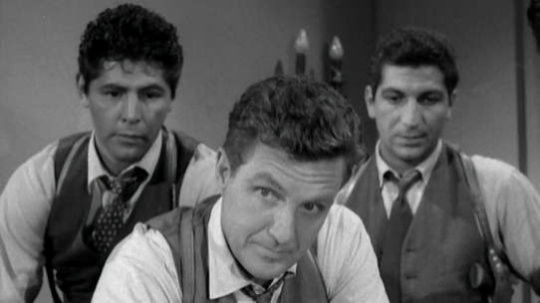 Episode 19: An Eye for an Eye
Chicago, Spring 1931. That night, Ness and his men are in their car; it's an 80 mph chase to catch a guy running whiskey for Solly Girsch. The 19-year-old driver has a high-speed accident; his car overturns and explodes in flames. Solly Girsch is the king of bootleg whiskey; he has 500 ""mom & pop"" stores pushing his hooch-- all together, they form the biggest single outlet of whiskey in Chicago.
Episode 19: An Eye for an Eye
Chicago, Spring 1931. That night, Ness and his men are in their car; it's an 80 mph chase to catch a guy running whiskey for Solly Girsch. The 19-year-old driver has a high-speed accident; his car overturns and explodes in flames. Solly Girsch is the king of bootleg whiskey; he has 500 ""mom & pop"" stores pushing his hooch-- all together, they form the biggest single outlet of whiskey in Chicago.
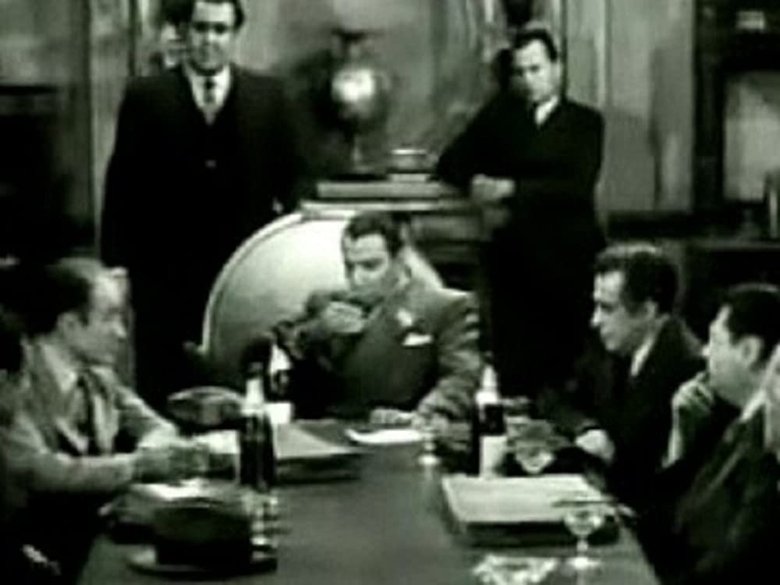 Episode 18: Globe of Death
1933. Prohibition ends. But that doesn't mean the war on crime is over for Eliot Ness and his Untouchables. The syndicate has already moved on to a more profitable-- and more deadly-- source of income: narcotics. By September, Ness and his men had found and destroyed every major source of narcotics. By early October, the price of a bindle of heroin jumps from $20 to $50. Nitti and his boys want to take advantage of this seller's market.
Episode 18: Globe of Death
1933. Prohibition ends. But that doesn't mean the war on crime is over for Eliot Ness and his Untouchables. The syndicate has already moved on to a more profitable-- and more deadly-- source of income: narcotics. By September, Ness and his men had found and destroyed every major source of narcotics. By early October, the price of a bindle of heroin jumps from $20 to $50. Nitti and his boys want to take advantage of this seller's market.