Episode
The Untouchables: Search for a Dead Man
Overview
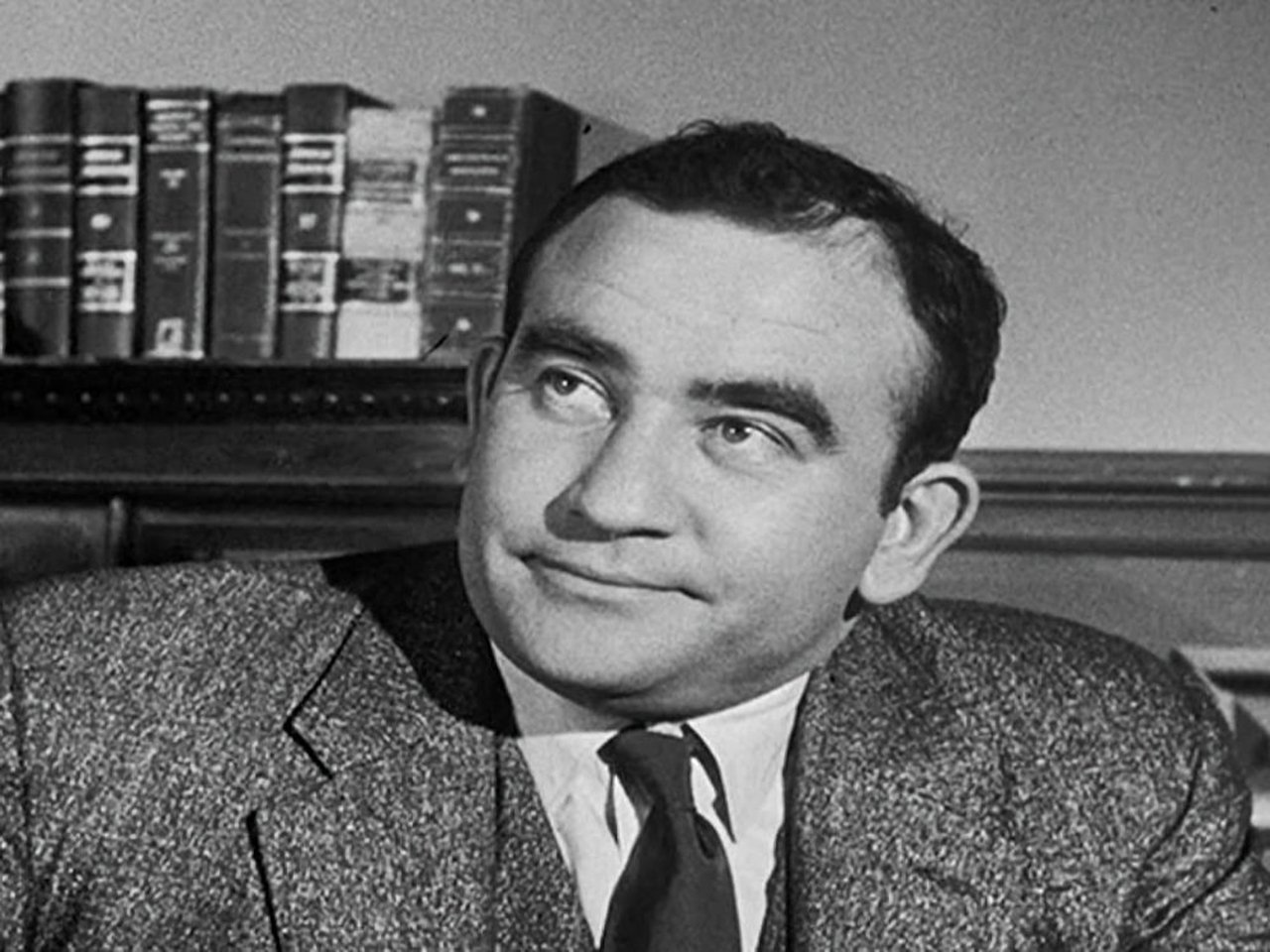
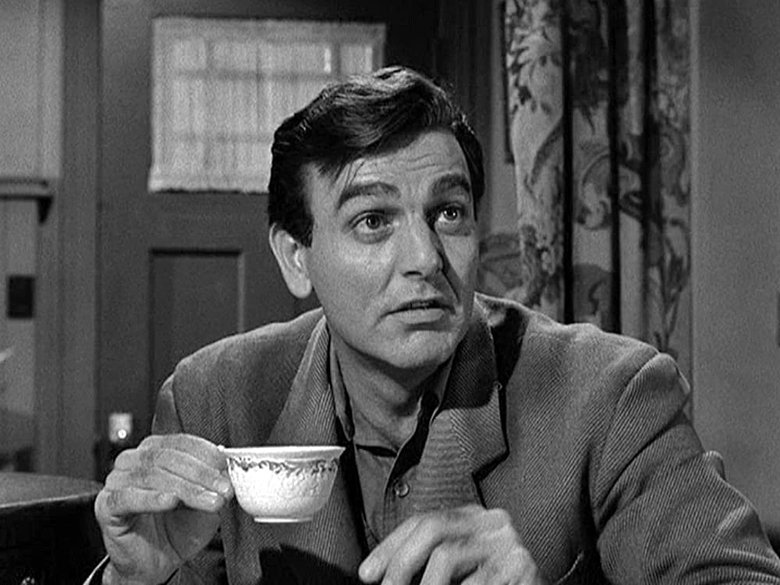
June 1929.* A body is dumped into Lake Michigan; when it's fished out 3-4 weeks later, on July 10, the Bureau of Missing Persons has a John Doe on its hands. And so, Lt. Agatha Stewart and her sidekick Frank Benson are on the case. At the City Morgue, all the coroner can tell about the decomposed body is the approximate age, 50, and that the deceased might have had a bad heart.
Details
- Series
- The Untouchables
- Season
- Season 4
- Episode
- Episode 13
- Air date
- 1963-01-01
- Runtime
- 60 min
Episode context
Search for a Dead Man is Episode 13 in Season 4 of The Untouchables. It aired on 1963-01-01. The runtime is 60 min.
Previous / Next
 Episode 12: Double Cross
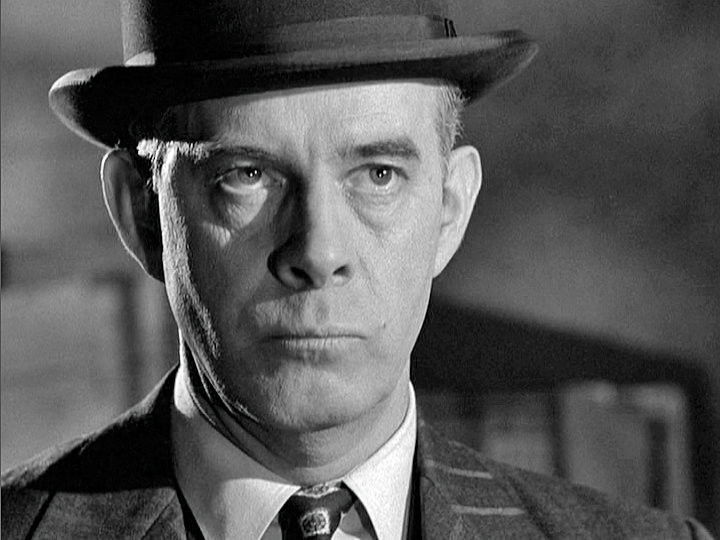
June 1930. Speak owner Louie Akers-- about to go dry and out of business because Guzik couldn't supply him with hooch for that last 3 weeks-- buys his booze from another supplier. Akers pays Johnny $1,142 for barrels of beer and crates of whiskey, that some deliverymen just dropped off. Just then, a couple of Guzik's boys (Sully and Mac) drive up; they start blasting at the delivery truck (which still has plenty more booze in back), just as it's pulling away.
Episode 12: Double Cross
June 1930. Speak owner Louie Akers-- about to go dry and out of business because Guzik couldn't supply him with hooch for that last 3 weeks-- buys his booze from another supplier. Akers pays Johnny $1,142 for barrels of beer and crates of whiskey, that some deliverymen just dropped off. Just then, a couple of Guzik's boys (Sully and Mac) drive up; they start blasting at the delivery truck (which still has plenty more booze in back), just as it's pulling away.
 Episode 14: The Speculator
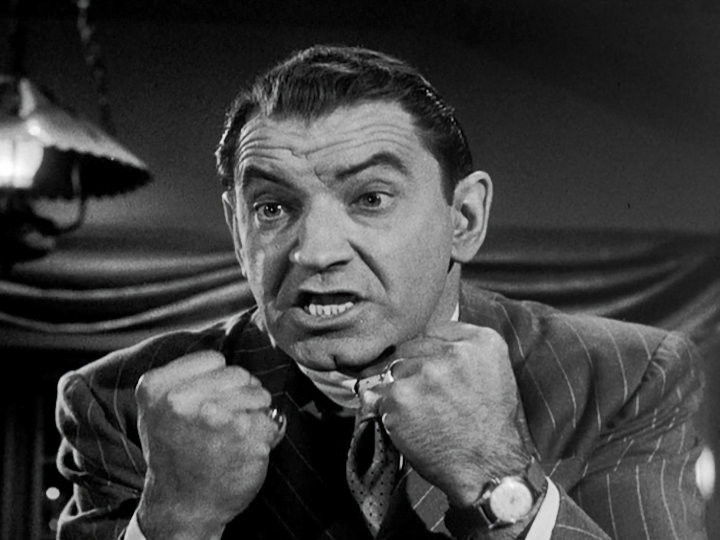
1929. Eliot Ness gets another anonymous phone tip: a big meet at a warehouse on Grover Street, Nitti and all the boys will be there. At the warehouse, about 20 hoods are putting their record books into a huge trunk. Since Al Capone got nailed because of bookkeeping, from now on nobody is to keep any written records; there will only be one central file, and the bookkeeper will be Leo Stazak.
Episode 14: The Speculator
1929. Eliot Ness gets another anonymous phone tip: a big meet at a warehouse on Grover Street, Nitti and all the boys will be there. At the warehouse, about 20 hoods are putting their record books into a huge trunk. Since Al Capone got nailed because of bookkeeping, from now on nobody is to keep any written records; there will only be one central file, and the bookkeeper will be Leo Stazak.
More episodes from this season
 Episode 11: The Floyd Gibbons Story
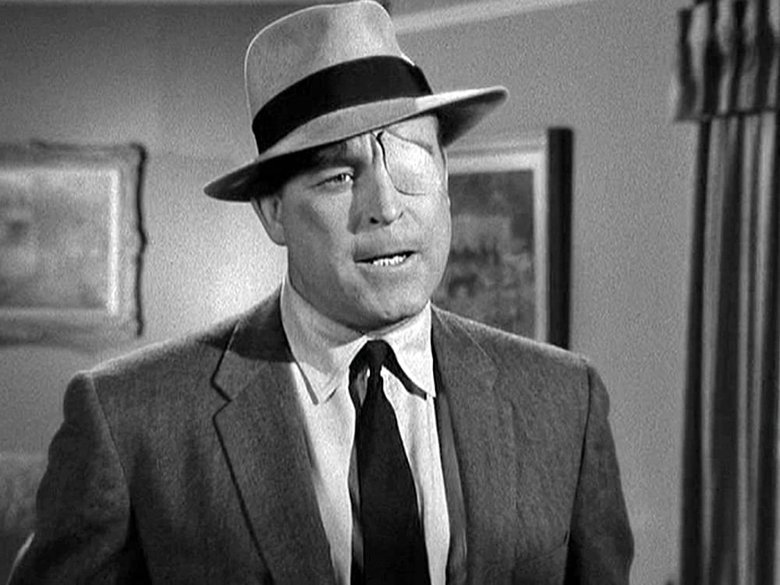
Chicago, October 1932. Within minutes of the time the Globe's top reporter Carlton Edmunds was shot, Eliot Ness and his men are on the scene. Ostensibly it appears a stray bullet in a gunfight hit Edmunds; he was just a passerby in the wrong place at the wrong time.
Episode 11: The Floyd Gibbons Story
Chicago, October 1932. Within minutes of the time the Globe's top reporter Carlton Edmunds was shot, Eliot Ness and his men are on the scene. Ostensibly it appears a stray bullet in a gunfight hit Edmunds; he was just a passerby in the wrong place at the wrong time.
 Episode 15: Snowball
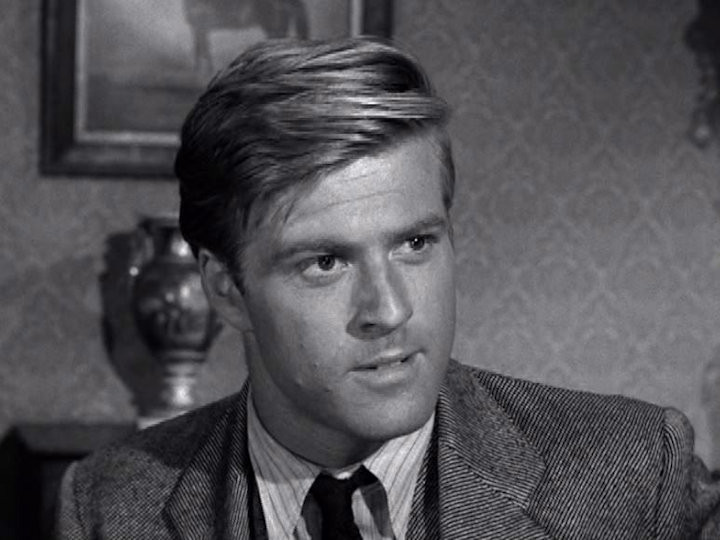
October 16, 1930. Jackson Parker is a small-time bootlegger, he has his henchman Benny deliver bottles of booze to places on a college campus: student unions, fraternity houses. Parker is arrogant, he tells Benny he could ""throw him out with the rest of the garbage."" Parker has big plans: he thinks he's meeting with Frank Nitti. At the Montmartre club, Nitti is telling his assembled lieutenants, ""And after we get that pipeline set up, the feds will have to dig up every street in Chicago to find it."" A round of laughter.
Episode 15: Snowball
October 16, 1930. Jackson Parker is a small-time bootlegger, he has his henchman Benny deliver bottles of booze to places on a college campus: student unions, fraternity houses. Parker is arrogant, he tells Benny he could ""throw him out with the rest of the garbage."" Parker has big plans: he thinks he's meeting with Frank Nitti. At the Montmartre club, Nitti is telling his assembled lieutenants, ""And after we get that pipeline set up, the feds will have to dig up every street in Chicago to find it."" A round of laughter.
 Episode 10: A Fist of Five
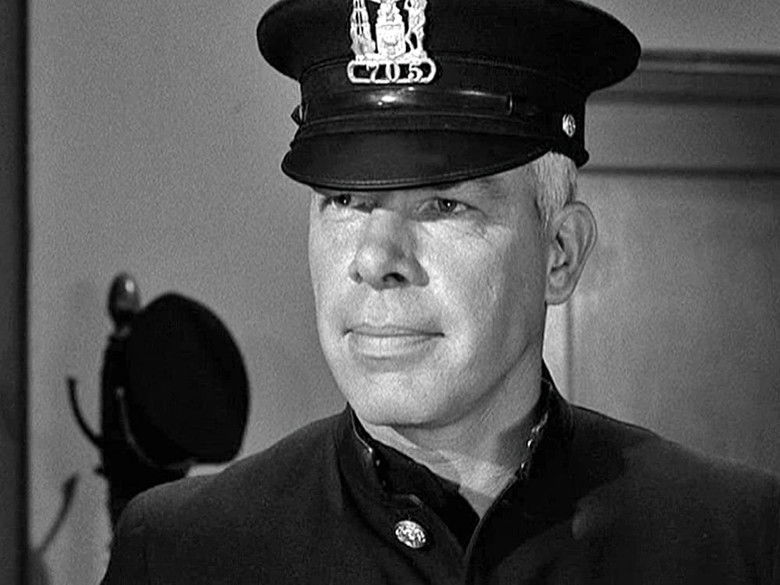
Chicago, 1929. Mike Brannon's been a cop for 15 years, but now he's being suspended for hospitalizing ""one of Tony Lamberto's dope-pushing punks."" Mike thinks Captain Bellows is corrupt for not going to bat for him. There is a tense moment when the Captain asks for Mike's gun-- Mike points it at him. But then, Mike turns the gun over and leaves.
Episode 10: A Fist of Five
Chicago, 1929. Mike Brannon's been a cop for 15 years, but now he's being suspended for hospitalizing ""one of Tony Lamberto's dope-pushing punks."" Mike thinks Captain Bellows is corrupt for not going to bat for him. There is a tense moment when the Captain asks for Mike's gun-- Mike points it at him. But then, Mike turns the gun over and leaves.
 Episode 16: Jake Dance
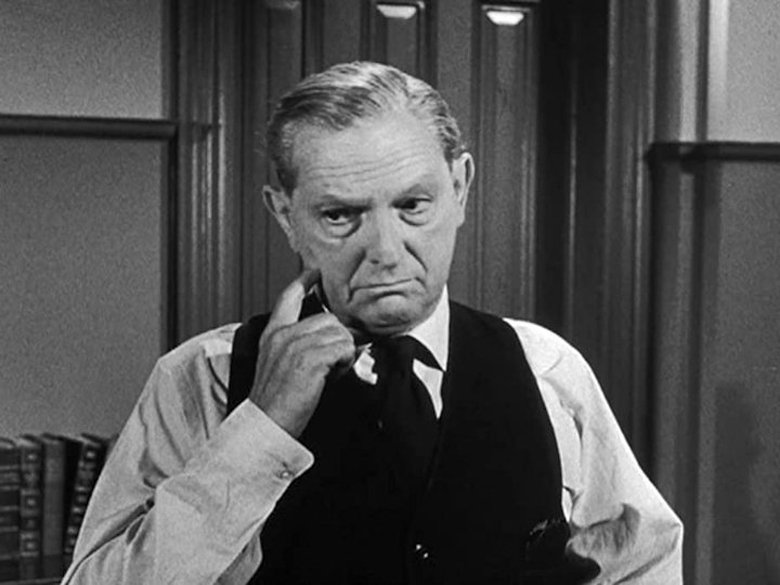
Late Summer 1930. It started in Wichita, Kansas: a staggering gait called the Jake Dance. (we see a man staggering along using a cane in each hand.) There are many different kinds of alcohol, but the only kind that is safe to drink is ethyl alcohol; many people had been drinking Ginger Jake, which is contaminated with methyl alcohol, also called ""wood alcky."" And people who drank a lot of it often suffered permanent loss of muscle coordination, and developed a staggering gait called the Jake Dance. Many died.
Episode 16: Jake Dance
Late Summer 1930. It started in Wichita, Kansas: a staggering gait called the Jake Dance. (we see a man staggering along using a cane in each hand.) There are many different kinds of alcohol, but the only kind that is safe to drink is ethyl alcohol; many people had been drinking Ginger Jake, which is contaminated with methyl alcohol, also called ""wood alcky."" And people who drank a lot of it often suffered permanent loss of muscle coordination, and developed a staggering gait called the Jake Dance. Many died.
 Episode 9: Come and Kill Me
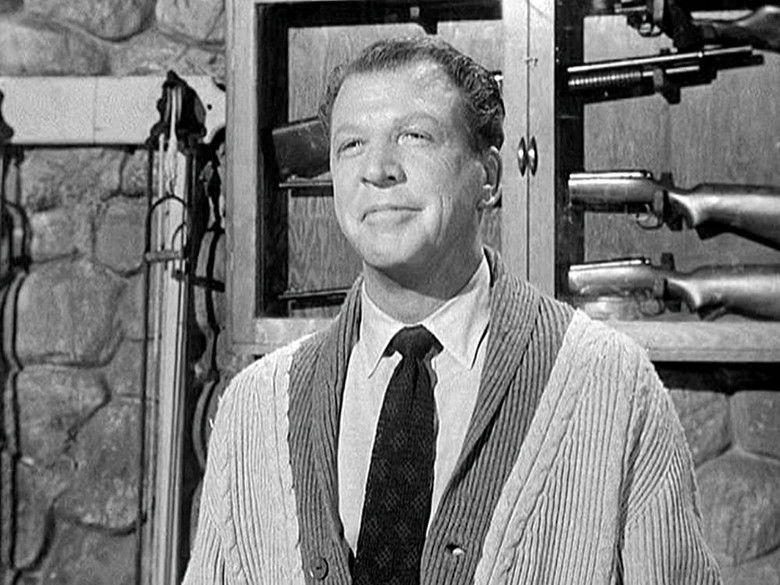
July 4, 1930. 40,000 horse racing fans fill Arlington Park. Ness and his men have Arnold ""Spats"" Vincent under surveillance; they will close in on him as soon as he gets a piece of paper: a list with the names of officials in high places who are ready to do business with the crime cartel. 2 hoods (one tall, one short), apparently associates of Spats, approach him. The tall hood sits next to him and whispers something to him; then he stabs Spats.
Episode 9: Come and Kill Me
July 4, 1930. 40,000 horse racing fans fill Arlington Park. Ness and his men have Arnold ""Spats"" Vincent under surveillance; they will close in on him as soon as he gets a piece of paper: a list with the names of officials in high places who are ready to do business with the crime cartel. 2 hoods (one tall, one short), apparently associates of Spats, approach him. The tall hood sits next to him and whispers something to him; then he stabs Spats.
 Episode 17: Blues for a Gone Goose
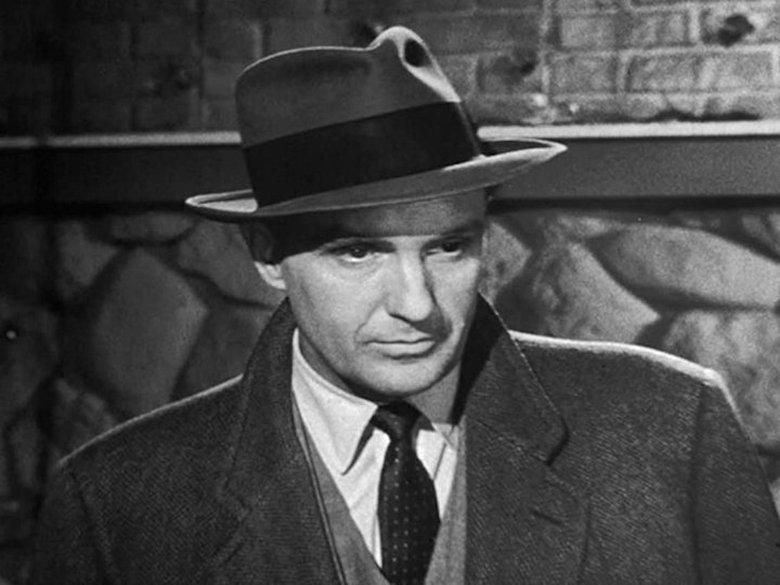
Jazz was born in the Roaring Twenties. It's now 1930, and on Chicago's Gold Coast there's a nightspot called ""Goose Gander's Golden Egg"" jazz club. Blues player Eddie Moon is blowing his hot cornet with the jazz band. But then mobster Lucky talks to Ray ""Goose"" Gander; Lucky wants him to carry Lou Cagan's hooch in his joint. Ray refuses, the strongest drink he serves in his place is coffee. Then Lucky's hitman plays some music of his own-- with his tommy gun; he shoots up the joint.
Episode 17: Blues for a Gone Goose
Jazz was born in the Roaring Twenties. It's now 1930, and on Chicago's Gold Coast there's a nightspot called ""Goose Gander's Golden Egg"" jazz club. Blues player Eddie Moon is blowing his hot cornet with the jazz band. But then mobster Lucky talks to Ray ""Goose"" Gander; Lucky wants him to carry Lou Cagan's hooch in his joint. Ray refuses, the strongest drink he serves in his place is coffee. Then Lucky's hitman plays some music of his own-- with his tommy gun; he shoots up the joint.
 Episode 8: Elegy
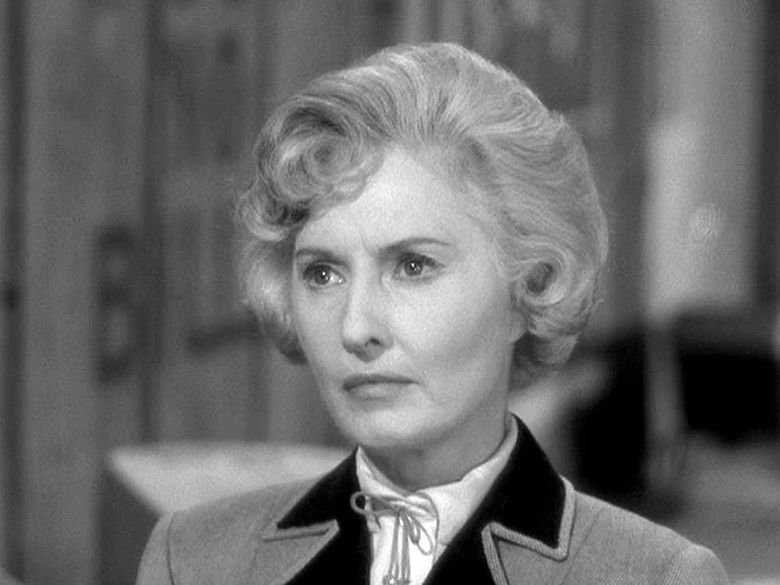
1929.* Notorious gangster boss Charlie Radick is dying of leukemia; there'll be no mourning for him, the other overlords will be vying for his throne. All Radick wants to do is see his long-lost daughter before he dies. Ness visits Radick; Ness is afraid a gang war might break out, as rival gangs scramble to take over. Ness says, ""Turn over your books to me; names of the people in your organization, distribution points, contacts in City Hall."" Radick says while he was in prison, he left his daughter with a couple; 3 years ago she ran away.
Episode 8: Elegy
1929.* Notorious gangster boss Charlie Radick is dying of leukemia; there'll be no mourning for him, the other overlords will be vying for his throne. All Radick wants to do is see his long-lost daughter before he dies. Ness visits Radick; Ness is afraid a gang war might break out, as rival gangs scramble to take over. Ness says, ""Turn over your books to me; names of the people in your organization, distribution points, contacts in City Hall."" Radick says while he was in prison, he left his daughter with a couple; 3 years ago she ran away.
 Episode 18: Globe of Death
1933. Prohibition ends. But that doesn't mean the war on crime is over for Eliot Ness and his Untouchables. The syndicate has already moved on to a more profitable-- and more deadly-- source of income: narcotics. By September, Ness and his men had found and destroyed every major source of narcotics. By early October, the price of a bindle of heroin jumps from $20 to $50. Nitti and his boys want to take advantage of this seller's market.
Episode 18: Globe of Death
1933. Prohibition ends. But that doesn't mean the war on crime is over for Eliot Ness and his Untouchables. The syndicate has already moved on to a more profitable-- and more deadly-- source of income: narcotics. By September, Ness and his men had found and destroyed every major source of narcotics. By early October, the price of a bindle of heroin jumps from $20 to $50. Nitti and his boys want to take advantage of this seller's market.
 Episode 7: The Eddie O'Gara Story
Chicago. Right after the St. Valentine's Day Massacre. (February 14, 1929.) Ness and his men are scouring Chicago, looking for Bugs Moran. Ness says there used to be 2 gangs in town, now there's just one. Ness figures if they get to Moran first, maybe he'll talk-- he might just be mad enough to give them the information they need.
Episode 7: The Eddie O'Gara Story
Chicago. Right after the St. Valentine's Day Massacre. (February 14, 1929.) Ness and his men are scouring Chicago, looking for Bugs Moran. Ness says there used to be 2 gangs in town, now there's just one. Ness figures if they get to Moran first, maybe he'll talk-- he might just be mad enough to give them the information they need.
 Episode 19: An Eye for an Eye
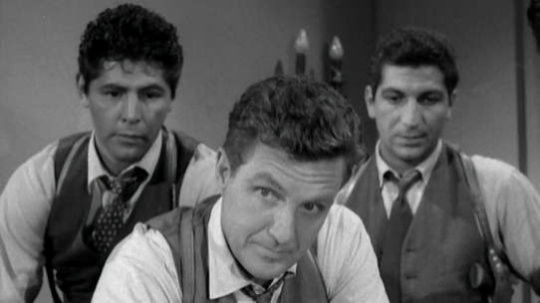
Chicago, Spring 1931. That night, Ness and his men are in their car; it's an 80 mph chase to catch a guy running whiskey for Solly Girsch. The 19-year-old driver has a high-speed accident; his car overturns and explodes in flames. Solly Girsch is the king of bootleg whiskey; he has 500 ""mom & pop"" stores pushing his hooch-- all together, they form the biggest single outlet of whiskey in Chicago.
Episode 19: An Eye for an Eye
Chicago, Spring 1931. That night, Ness and his men are in their car; it's an 80 mph chase to catch a guy running whiskey for Solly Girsch. The 19-year-old driver has a high-speed accident; his car overturns and explodes in flames. Solly Girsch is the king of bootleg whiskey; he has 500 ""mom & pop"" stores pushing his hooch-- all together, they form the biggest single outlet of whiskey in Chicago.