Episode
The Untouchables: Little Egypt
Overview
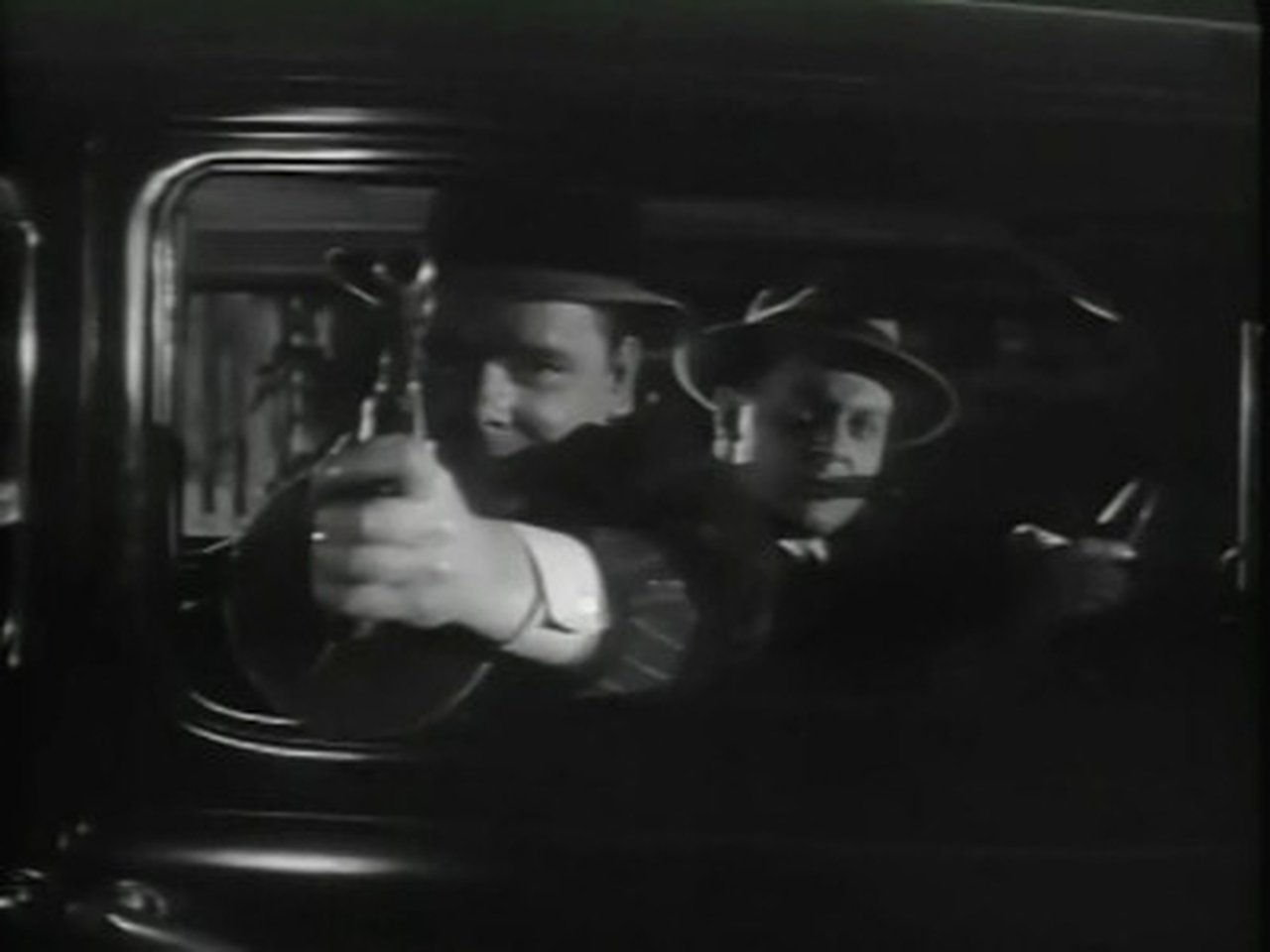
Little Egypt (not the Belly Dancer) was the city of Morraine, the heart of the gangster-infected area in downstate Illinois known as ""Little Egypt."" Election night, 1931. New mayor Marcus Stone is giving a speech on the radio-- he meant what he said about reform, and promises to rid the town of Charlie Byron (a Major in WWI) and his gang, whom he calls ""bloodsuckers"" and ""scum."" Listening to the radio is Major Byron, who gives his gang orders to knock off both Mayor Stone and Sheriff Mooney; they both get tommy-gunned that night.
Details
- Series
- The Untouchables
- Season
- Season 1
- Episode
- Episode 18
- Air date
- 1960-02-11
- Runtime
- 60 min
Episode context
Little Egypt is Episode 18 in Season 1 of The Untouchables. It aired on 1960-02-11. The runtime is 60 min.
Previous / Next
 Episode 17: One-Armed Bandits
Chicago, February 1932. Crime has been spreading all over, from the dark alleys of Cicero to the social atmosphere of the Gold Coast. Crooked attorney Paul Curtiz is attending a party being hosted by gangster overlord Augie Viale, king of the southside of Chicago. At the affair, Viale is openly paying off this guests with cash-- police commissioners, judges, lawyers, and businessmen; all of them ready to hand Chicago to Viale on a silver platter.
Episode 17: One-Armed Bandits
Chicago, February 1932. Crime has been spreading all over, from the dark alleys of Cicero to the social atmosphere of the Gold Coast. Crooked attorney Paul Curtiz is attending a party being hosted by gangster overlord Augie Viale, king of the southside of Chicago. At the affair, Viale is openly paying off this guests with cash-- police commissioners, judges, lawyers, and businessmen; all of them ready to hand Chicago to Viale on a silver platter.
 Episode 19: The Big Squeeze
Chicago. Prior to May 1934, robbing state banks was not a federal offense. Bandits only had local police to contend with, and they were often understaffed, inefficient or corrupt. This led to a rash of successful, though clumsily executed, bank robberies. In this city alone, there were 422 robberies in the last year, with 221 casualties. On March 1934, Eliot Ness is meeting with his friend D.A. Beecher Asbury. Ness tells him that until bank robbery becomes a federal offense, there's not much he can about it.
Episode 19: The Big Squeeze
Chicago. Prior to May 1934, robbing state banks was not a federal offense. Bandits only had local police to contend with, and they were often understaffed, inefficient or corrupt. This led to a rash of successful, though clumsily executed, bank robberies. In this city alone, there were 422 robberies in the last year, with 221 casualties. On March 1934, Eliot Ness is meeting with his friend D.A. Beecher Asbury. Ness tells him that until bank robbery becomes a federal offense, there's not much he can about it.
More episodes from this season
 Episode 16: The St. Louis Story
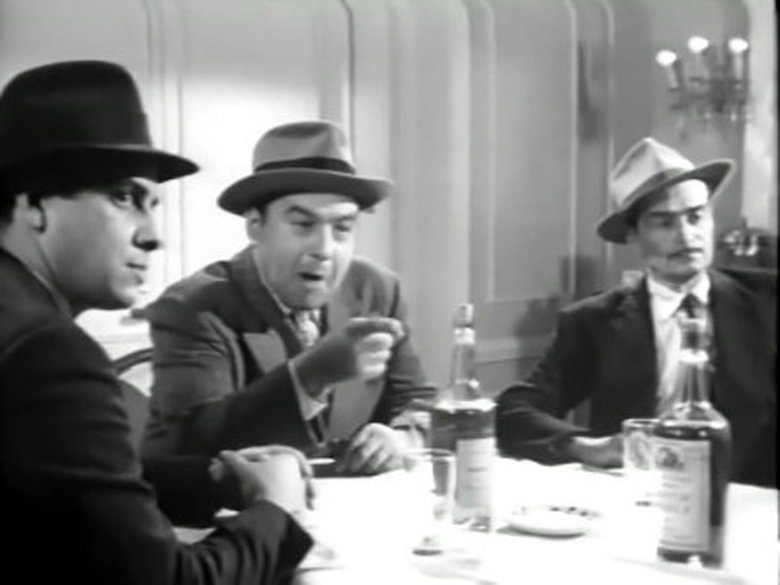
Spring 1931. Gangland warfare had broken out again with sudden violence in the streets of St. Louis. Tim Harrington, who was long entrenched as the undisputed boss of the city, was fighting off the challenge to his leadership from Joe Courtney, an upstart hoodlum. The elder Dink Conway calls for a sit-down between the two, at the Jockey Club. Dink points out they are operating the old way: shootouts and dealing in cash. He offers them organization and protection, and says the new way is to use fronts to cover your criminal activities and keep books so the Feds can't get you on income tax evasion (he knows what happened to Al Capone).
Episode 16: The St. Louis Story
Spring 1931. Gangland warfare had broken out again with sudden violence in the streets of St. Louis. Tim Harrington, who was long entrenched as the undisputed boss of the city, was fighting off the challenge to his leadership from Joe Courtney, an upstart hoodlum. The elder Dink Conway calls for a sit-down between the two, at the Jockey Club. Dink points out they are operating the old way: shootouts and dealing in cash. He offers them organization and protection, and says the new way is to use fronts to cover your criminal activities and keep books so the Feds can't get you on income tax evasion (he knows what happened to Al Capone).
 Episode 20: The Unhired Assassin (1)
Movie: ""The Gun of Zangara""
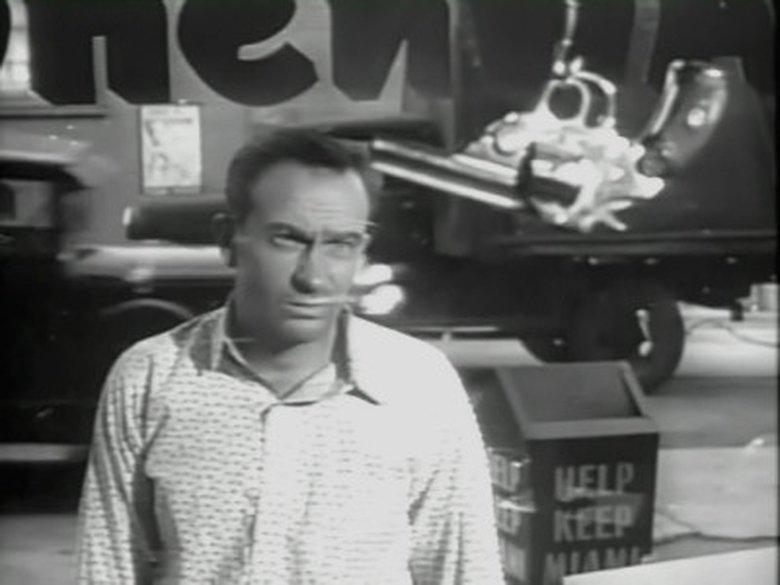
Chicago. November 9, 1932. FDR has just been elected president, and the repeal of Prohibition is inevitable. But later that night, Ness and his men smash another of Capone's breweries. Agent Youngfellow asks Eliot, ""Are we going to be out of work?"" But Ness tells him no-- after all, bootleg booze was only a part of the Capone empire: there's still narcotics, gambling, prostitution, protection rackets, etc. Capone may start muscling in on legitimate businesses; in fact, Ness is having a meeting with Mayor Anton Cermak-- they want to ""clean up this town"" before the Chicago World's Fair in the spring of 1933.
Episode 20: The Unhired Assassin (1)
Movie: ""The Gun of Zangara""
Chicago. November 9, 1932. FDR has just been elected president, and the repeal of Prohibition is inevitable. But later that night, Ness and his men smash another of Capone's breweries. Agent Youngfellow asks Eliot, ""Are we going to be out of work?"" But Ness tells him no-- after all, bootleg booze was only a part of the Capone empire: there's still narcotics, gambling, prostitution, protection rackets, etc. Capone may start muscling in on legitimate businesses; in fact, Ness is having a meeting with Mayor Anton Cermak-- they want to ""clean up this town"" before the Chicago World's Fair in the spring of 1933.
 Episode 15: Star Witness
1934. The Depression was over 4 years old, and Al Capone was in Alcatraz. Many of the rackets had seemingly legit fronts, such as Midwest Enterprises, Inc. -- the president is Luigi Renaldo, former lieutenant for Capone. Renaldo is going to Florida on business, and leaving his 2nd-in-command in charge: his Enforcer Paolo Rienzi. But, unbeknownst to his boss, Rienzi tells Tubby to get a couple of guys and work over their accountant,
Episode 15: Star Witness
1934. The Depression was over 4 years old, and Al Capone was in Alcatraz. Many of the rackets had seemingly legit fronts, such as Midwest Enterprises, Inc. -- the president is Luigi Renaldo, former lieutenant for Capone. Renaldo is going to Florida on business, and leaving his 2nd-in-command in charge: his Enforcer Paolo Rienzi. But, unbeknownst to his boss, Rienzi tells Tubby to get a couple of guys and work over their accountant,
 Episode 21: The Unhired Assassin (2)
Movie: ""The Gun of Zangara"" (continued)
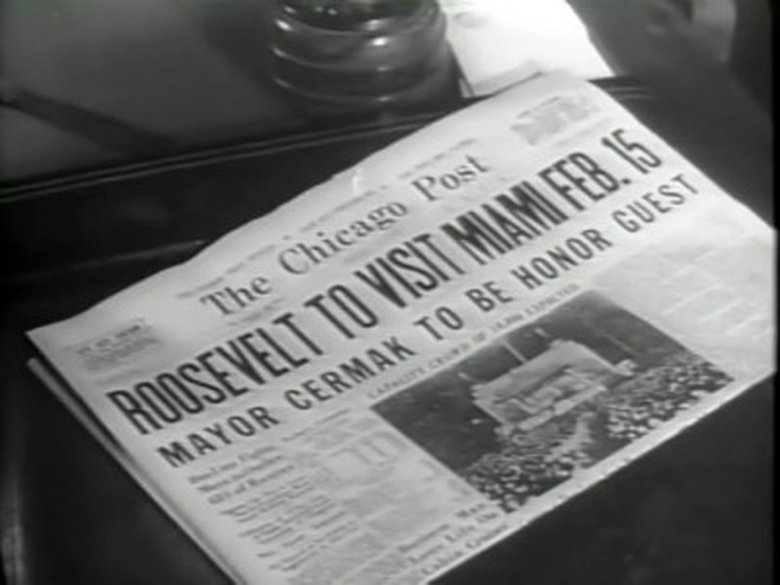
Nitti's plenty sore! Mayor Cermak's stepped-up law enforcement has cut deeply into Nitti's operations. In the Montmartre club, Nitti takes a newspaper with a big photo of Cermak on the front page, and tacks it to the wall-- then Nitti takes out his 6-shooter and blasts 7 bullets into the photo.
Episode 21: The Unhired Assassin (2)
Movie: ""The Gun of Zangara"" (continued)
Nitti's plenty sore! Mayor Cermak's stepped-up law enforcement has cut deeply into Nitti's operations. In the Montmartre club, Nitti takes a newspaper with a big photo of Cermak on the front page, and tacks it to the wall-- then Nitti takes out his 6-shooter and blasts 7 bullets into the photo.
 Episode 14: The Noise of Death
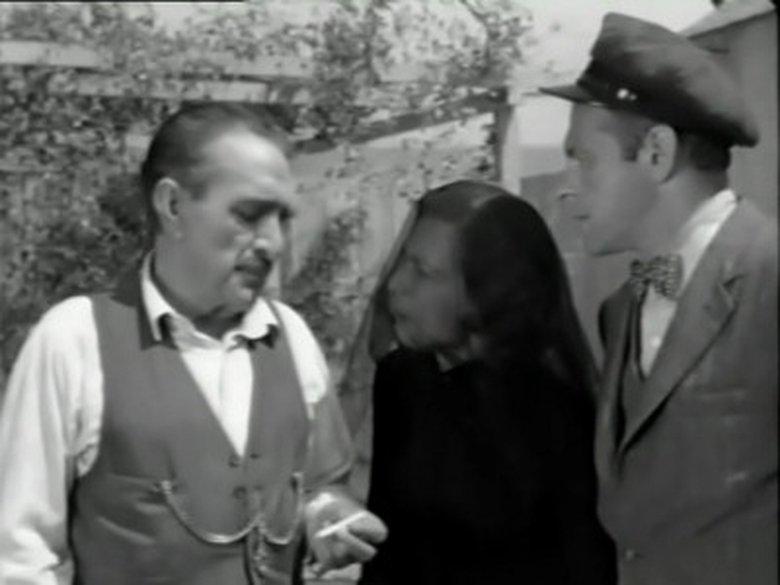
Chicago, March 31, 1933. Giuseppe ""Joe"" Bucco is at home when he gets a visit from his wife's cousin, Barbara Vittorini-- she says her husband Arturo has been missing for 3 days, and accuses Bucco of killing him. Bucco has his flunkie Abe Garfinkel take her home. Bucco knows about rub-out attempts, Guzik's boys once shot him 4 times, but he lived; Bucco swears to his wife Anna that he doesn't know where Arturo is.
Episode 14: The Noise of Death
Chicago, March 31, 1933. Giuseppe ""Joe"" Bucco is at home when he gets a visit from his wife's cousin, Barbara Vittorini-- she says her husband Arturo has been missing for 3 days, and accuses Bucco of killing him. Bucco has his flunkie Abe Garfinkel take her home. Bucco knows about rub-out attempts, Guzik's boys once shot him 4 times, but he lived; Bucco swears to his wife Anna that he doesn't know where Arturo is.
 Episode 22: The White Slavers
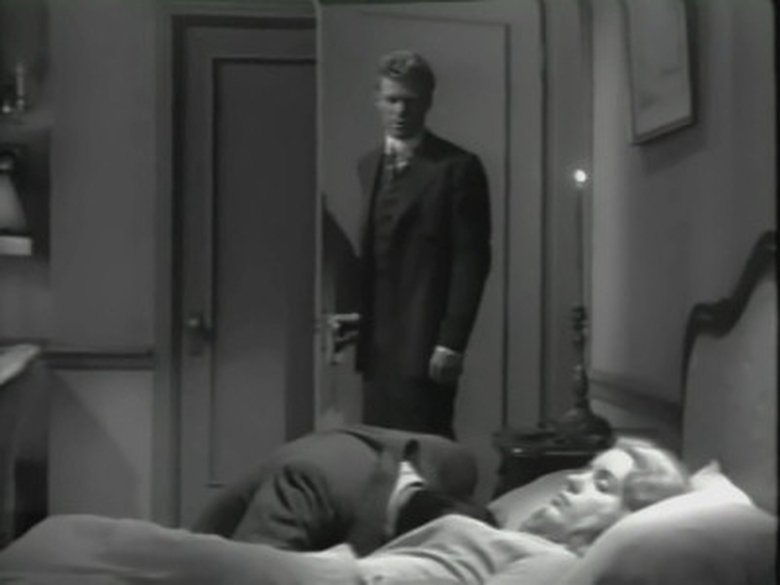
March 31, 1934; Prohibition is over. Al Capone is still running things from Alcatraz, his new money-maker is ""white slavery"" which refers to prostitution; his main operation is run by a mean gangster named Mig Torrance. Right now, Eliot Ness is conducting his 7th raid since being assigned to closing down the houses. While all the other hookers are escaping through a trap door, one of them, young Mary Sage, lays on a bed-- dead from a drug overdose.
Episode 22: The White Slavers
March 31, 1934; Prohibition is over. Al Capone is still running things from Alcatraz, his new money-maker is ""white slavery"" which refers to prostitution; his main operation is run by a mean gangster named Mig Torrance. Right now, Eliot Ness is conducting his 7th raid since being assigned to closing down the houses. While all the other hookers are escaping through a trap door, one of them, young Mary Sage, lays on a bed-- dead from a drug overdose.
 Episode 13: Syndicate Sanctuary
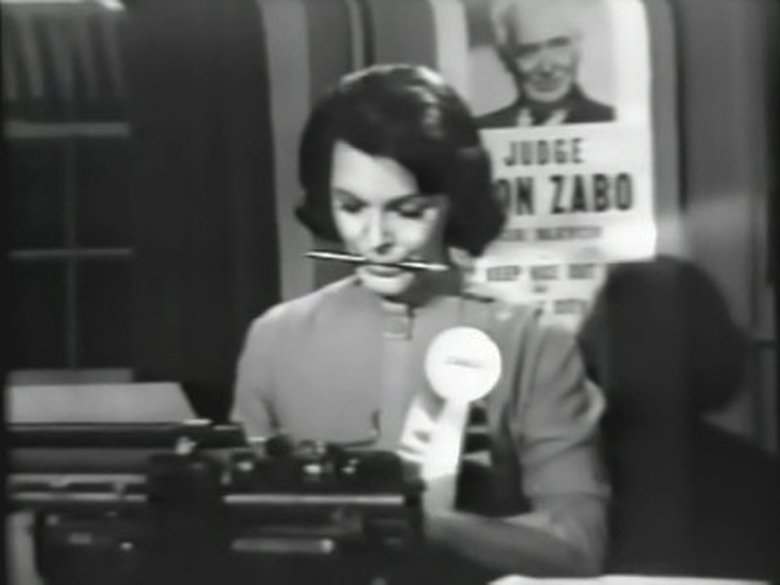
30 miles from Chicago, the (fictitious) Calum City; population: 10,000. Judge Leon Zabo is running for mayor, to clean up the town. Working hard in his campaign headquarters is his lovely daughter, Rosetta Zabo. Judge Zabo tried to put an end to vice, graft and corruption; in the last 6 months, he had closed down 110 bars, clubs and gambling casinos in the notorious Barbary Coast district.
Episode 13: Syndicate Sanctuary
30 miles from Chicago, the (fictitious) Calum City; population: 10,000. Judge Leon Zabo is running for mayor, to clean up the town. Working hard in his campaign headquarters is his lovely daughter, Rosetta Zabo. Judge Zabo tried to put an end to vice, graft and corruption; in the last 6 months, he had closed down 110 bars, clubs and gambling casinos in the notorious Barbary Coast district.
 Episode 23: Three Thousand Suspects
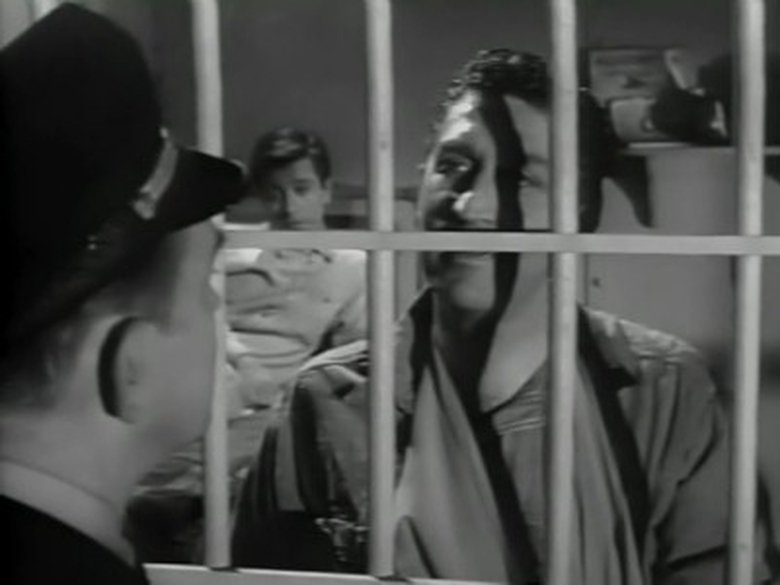
September 1932. The Federal Penitentiary in Leavenworth, Kansas, 430 miles west-southwest of Chicago, houses some of the nation's worst criminals. One of them is Nick Segal, who murdered 6 people, but only got convicted for violation of the Volstead Act; he got sentenced to 3 years, and is eligible for parole now after serving only one year. While unloading a truck, inmate Gus Caserta ""accidentally"" drops a 100-pound bag of potatoes on Nick, almost killing him; skinny inmate Phil Thorne sees the whole thing, he is there when it happens. Nick only gets a broken left arm, though. Later he gets worse news: parole denied.
Episode 23: Three Thousand Suspects
September 1932. The Federal Penitentiary in Leavenworth, Kansas, 430 miles west-southwest of Chicago, houses some of the nation's worst criminals. One of them is Nick Segal, who murdered 6 people, but only got convicted for violation of the Volstead Act; he got sentenced to 3 years, and is eligible for parole now after serving only one year. While unloading a truck, inmate Gus Caserta ""accidentally"" drops a 100-pound bag of potatoes on Nick, almost killing him; skinny inmate Phil Thorne sees the whole thing, he is there when it happens. Nick only gets a broken left arm, though. Later he gets worse news: parole denied.
 Episode 12: The Underground Railway
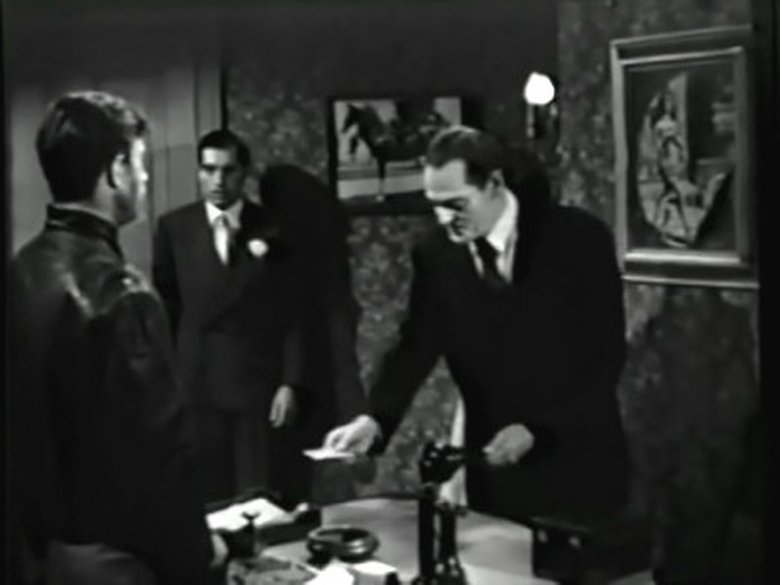
The night of August 3, 1933, outside the Louisburg Federal Prison in Pennsylvania. After serving 2 years of a life sentence for his part in the holdup of a Federal Reserve bank shipment, Frank Halloway is busting out, climbing over the wall. When a fellow inmate breaks his leg from the jump from the high prison wall, ruthless Frank Halloway hops into the getaway car that was left there for him-- and runs over the hapless inmate.
Episode 12: The Underground Railway
The night of August 3, 1933, outside the Louisburg Federal Prison in Pennsylvania. After serving 2 years of a life sentence for his part in the holdup of a Federal Reserve bank shipment, Frank Halloway is busting out, climbing over the wall. When a fellow inmate breaks his leg from the jump from the high prison wall, ruthless Frank Halloway hops into the getaway car that was left there for him-- and runs over the hapless inmate.
 Episode 24: The Doreen Maney Story
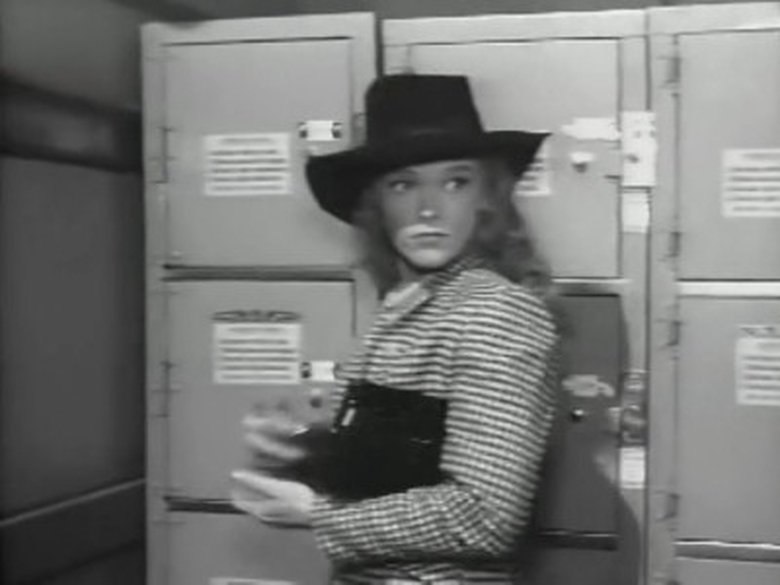
New York City: Yankee Stadium, the Bronx. On the evening of June 8, 1933, Max Baer knocked out Max Schmeling in the 10th round of their scheduled 15-round championship boxing match.* The gate was $240,000. (Since 60,000 fans were there, that means the average ticket price was $4.00) An hour later, one of the Granite Armored Cars, with 4 armed guards, drives off with the receipts. Doreen Maney steps in front of the moving truck; the driver slams on his brakes, but Doreen falls down as if she's been hit.
Episode 24: The Doreen Maney Story
New York City: Yankee Stadium, the Bronx. On the evening of June 8, 1933, Max Baer knocked out Max Schmeling in the 10th round of their scheduled 15-round championship boxing match.* The gate was $240,000. (Since 60,000 fans were there, that means the average ticket price was $4.00) An hour later, one of the Granite Armored Cars, with 4 armed guards, drives off with the receipts. Doreen Maney steps in front of the moving truck; the driver slams on his brakes, but Doreen falls down as if she's been hit.