

Episode
Natural World: Whale Shark
Overview
Beginning at the fabulous coral reef of Ningaloo in Western Australia, intrepid marine biologist Mark Meakin attempts to unravel the mysterious wanderings of the biggest fish in the sea. Whale sharks grow to over 12 metres long but are gentle, filter-feeding giants; even Mark's five-year-old son can swim alongside them. Yet no-one knows where they go once they leave Ningaloo's turquoise lagoons. Using satellite tags and photo IDs, Mark tracks them to the white coral beaches of the Seychelles and the tropical jewel of Christmas Island, where bright-red land crabs begin their annual migration. It's hard work, taking in 20 failed satellite tags and countless frustrating dives, before Mark makes a breakthrough which doesn't just add to our understanding of these huge 'dinosaur fish' but offers crucial information about how the whale sharks of Ningaloo can be protected better.
Details
- Series
- Natural World
- Season
- Season 28
- Episode
- Episode 2
- Air date
- 2008-11-18
Episode context
Whale Shark is Episode 2 in Season 28 of Natural World. It aired on 2008-11-18.
Previous / Next
 Episode 1: Titus: The Gorilla King
Abandoned as a baby, removed from normal gorilla family life as a youngster - so profound were the misfortunes that Titus suffered in his early years that no gorilla scientist could have predicted his eventual rise to power.
His moving life story is pieced together here for the first time, based on archive film and the memories of field workers who have studied the mountain gorillas since Dian Fossey's pioneering work more than 40 years ago.
At 33 years of age, Titus is not just one of the most powerful Silverbacks in Rwanda's Virunga Mountains, he is possibly the most remarkable gorilla ever known. His life story is as full of drama, intrigue and tragedy as any human soap opera.
Against a stunning backdrop of misty volcanic peaks cloaked in bamboo and giant lobelia, Titus has successfully steered his family group through thick and thin. Now he is under pressure again.
With his ally-turned-rival, Kuryama, jockeying for position, is the final chapter in Titus's extraordinary reign about to occur?
Episode 1: Titus: The Gorilla King
Abandoned as a baby, removed from normal gorilla family life as a youngster - so profound were the misfortunes that Titus suffered in his early years that no gorilla scientist could have predicted his eventual rise to power.
His moving life story is pieced together here for the first time, based on archive film and the memories of field workers who have studied the mountain gorillas since Dian Fossey's pioneering work more than 40 years ago.
At 33 years of age, Titus is not just one of the most powerful Silverbacks in Rwanda's Virunga Mountains, he is possibly the most remarkable gorilla ever known. His life story is as full of drama, intrigue and tragedy as any human soap opera.
Against a stunning backdrop of misty volcanic peaks cloaked in bamboo and giant lobelia, Titus has successfully steered his family group through thick and thin. Now he is under pressure again.
With his ally-turned-rival, Kuryama, jockeying for position, is the final chapter in Titus's extraordinary reign about to occur?
 Episode 3: Clever Monkeys
David Attenborough's entertaining romp through the world of monkeys has a serious side: for when we look at monkeys we can see ourselves. From memory to morality, from 'crying wolf' to politics, monkeys are our basic blueprint.
Pygmy marmosets 'farm' tree sap; bearded capuchins in Brazil develop a production line for extracting palm nuts; white-faced capuchins in Costa Rica tenderly nurse the victims of battle; and in the Ethiopian highlands a deposed gelada baboon has got the blues.
Episode 3: Clever Monkeys
David Attenborough's entertaining romp through the world of monkeys has a serious side: for when we look at monkeys we can see ourselves. From memory to morality, from 'crying wolf' to politics, monkeys are our basic blueprint.
Pygmy marmosets 'farm' tree sap; bearded capuchins in Brazil develop a production line for extracting palm nuts; white-faced capuchins in Costa Rica tenderly nurse the victims of battle; and in the Ethiopian highlands a deposed gelada baboon has got the blues.
More episodes from this season
 Episode 4: Crocodile Blues
Another stunning look at the wonders of wildlife as Natural World tonight seeks out the Gharial crocodile.
This mighty reptile, which can grow up to 20ft in length and tip the scales at one ton, evolved with the dinosaurs more than 150 million years ago.
However, it’s now on the brink of extinction as the largest critically endangered animal on the Indian subcontinent. Filmed over a 12-month period, reptile expert and conservationist Rom Whitaker set out on a mission to solve the mystery of why numbers have rapidly declined.
Currently, fewer than 200 breeding adults live in Indian and Nepalese sanctuaries that aim to ensure the future of the species via a captive breeding programme.
From the safety of your armchair, enjoy Whitaker’s fascinating footage of the Gharial.
Episode 4: Crocodile Blues
Another stunning look at the wonders of wildlife as Natural World tonight seeks out the Gharial crocodile.
This mighty reptile, which can grow up to 20ft in length and tip the scales at one ton, evolved with the dinosaurs more than 150 million years ago.
However, it’s now on the brink of extinction as the largest critically endangered animal on the Indian subcontinent. Filmed over a 12-month period, reptile expert and conservationist Rom Whitaker set out on a mission to solve the mystery of why numbers have rapidly declined.
Currently, fewer than 200 breeding adults live in Indian and Nepalese sanctuaries that aim to ensure the future of the species via a captive breeding programme.
From the safety of your armchair, enjoy Whitaker’s fascinating footage of the Gharial.
 Episode 5: Cork - Forest in a Bottle
Every time we weigh up which bottle of wine to buy, we hold the fate of nightingales, rare black storks, secretive wild cats and one of the world's most remarkable trees in our hands. It has all to do with the stopper. If it is cork, it probably came from the bark of one of the ancient cork oak trees from the Montados, in the Alentejo region of Portugal.
Episode 5: Cork - Forest in a Bottle
Every time we weigh up which bottle of wine to buy, we hold the fate of nightingales, rare black storks, secretive wild cats and one of the world's most remarkable trees in our hands. It has all to do with the stopper. If it is cork, it probably came from the bark of one of the ancient cork oak trees from the Montados, in the Alentejo region of Portugal.
 Episode 6: Great White Shark: A Living Legend
Wildlife film. South African naturalist Mike Rutzen is crazy about great white sharks. He never saw Jaws, so he doesn't share the terror that makes these sharks the world's most feared predator.
Episode 6: Great White Shark: A Living Legend
Wildlife film. South African naturalist Mike Rutzen is crazy about great white sharks. He never saw Jaws, so he doesn't share the terror that makes these sharks the world's most feared predator.
 Episode 7: Cuckoo
The sound of the cuckoo is to many the very essence of spring, yet behind the magical call is a bird that is a cheat, a thief and a killer. Just how does the cuckoo trick other birds into accepting its eggs and raising its young? Why don't the duped foster parents react as they watch the baby cuckoo destroy their own eggs and chicks? And why do they work so relentlessly to feed a demanding chick that looks nothing like them and will soon dwarf them?
Episode 7: Cuckoo
The sound of the cuckoo is to many the very essence of spring, yet behind the magical call is a bird that is a cheat, a thief and a killer. Just how does the cuckoo trick other birds into accepting its eggs and raising its young? Why don't the duped foster parents react as they watch the baby cuckoo destroy their own eggs and chicks? And why do they work so relentlessly to feed a demanding chick that looks nothing like them and will soon dwarf them?
 Episode 8: The Mountains of the Monsoon
This moving film reveals the differing fortunes of a mother polar bear and a mother grizzly bear, and their new-born cubs, in a rapidly-changing world. The shrinking Arctic ice may be making life much tougher for polar bears, but it is offering new opportunities for grizzly bears to the south.
Where once the lives of white and brown bears could not have been more different, in summer-time they now meet along shores and islands almost all the way to the North Pole. Amazingly they have even interbred. It Is a remarkable story of how bears, ever intelligent and resourceful, are adapting to a warming world.
Episode 8: The Mountains of the Monsoon
This moving film reveals the differing fortunes of a mother polar bear and a mother grizzly bear, and their new-born cubs, in a rapidly-changing world. The shrinking Arctic ice may be making life much tougher for polar bears, but it is offering new opportunities for grizzly bears to the south.
Where once the lives of white and brown bears could not have been more different, in summer-time they now meet along shores and islands almost all the way to the North Pole. Amazingly they have even interbred. It Is a remarkable story of how bears, ever intelligent and resourceful, are adapting to a warming world.
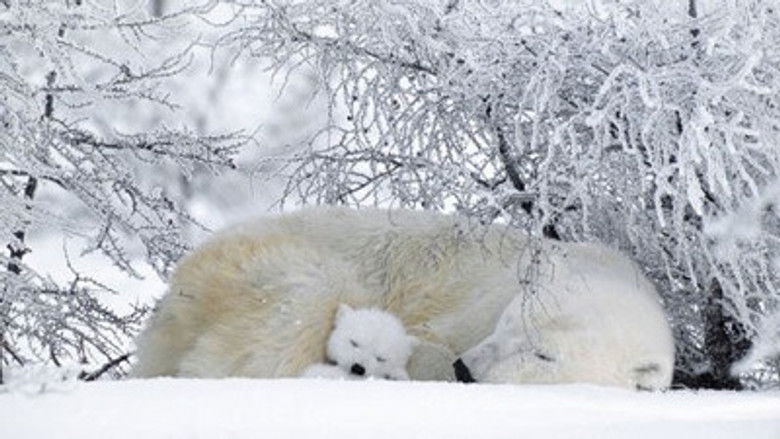 Episode 9: Polar Bears & Grizzlies: Bears on Top of the World
This moving film reveals the differing fortunes of a mother polar bear and a mother grizzly bear, and their new-born cubs, in a rapidly-changing world. The shrinking Arctic ice may be making life much tougher for polar bears, but it is offering new opportunities for grizzly bears to the south. Where once the lives of white and brown bears could not have been more different, in summer-time they now meet along shores and islands almost all the way to the North Pole. Amazingly they have even interbred. It Is a remarkable story of how bears, ever intelligent and resourceful, are adapting to a warming world.
Episode 9: Polar Bears & Grizzlies: Bears on Top of the World
This moving film reveals the differing fortunes of a mother polar bear and a mother grizzly bear, and their new-born cubs, in a rapidly-changing world. The shrinking Arctic ice may be making life much tougher for polar bears, but it is offering new opportunities for grizzly bears to the south. Where once the lives of white and brown bears could not have been more different, in summer-time they now meet along shores and islands almost all the way to the North Pole. Amazingly they have even interbred. It Is a remarkable story of how bears, ever intelligent and resourceful, are adapting to a warming world.
 Episode 10: Man-Eating Tigers of the Sundarbans
Tiger experts in Bangladesh have a problem: how can they encourage local people to protect the beautiful and endangered Bengal tiger when these animals have developed a taste for human flesh?
The Sundarbans forest is one of the biggest tracts of mangrove forest left in the world. It is rich in wildlife and provides important forest resources for communities living around its edge. But up to 50 forest workers are killed by tigers each year and now the boldest animals are sneaking into villages at night.
This gripping film reveals the tension and heartache of living so close to a killer cat and follows the bold attempt by one village to teach street dogs to scare away the rogue tiger on their doorstep.
Episode 10: Man-Eating Tigers of the Sundarbans
Tiger experts in Bangladesh have a problem: how can they encourage local people to protect the beautiful and endangered Bengal tiger when these animals have developed a taste for human flesh?
The Sundarbans forest is one of the biggest tracts of mangrove forest left in the world. It is rich in wildlife and provides important forest resources for communities living around its edge. But up to 50 forest workers are killed by tigers each year and now the boldest animals are sneaking into villages at night.
This gripping film reveals the tension and heartache of living so close to a killer cat and follows the bold attempt by one village to teach street dogs to scare away the rogue tiger on their doorstep.
 Episode 11: Elephants without Borders
Botswana's elephants are doing very well, too well perhaps. People are worried that too many elephants will damage their fragile desert home and have suggested that up to 60,000 should be culled.
Researcher Mike Chase studies ancient elephant migration routes - he has tracked them across vast deserts, desolate salt pans, and Angolan minefields. Now he thinks he has a plan that could safeguard their future.
Episode 11: Elephants without Borders
Botswana's elephants are doing very well, too well perhaps. People are worried that too many elephants will damage their fragile desert home and have suggested that up to 60,000 should be culled.
Researcher Mike Chase studies ancient elephant migration routes - he has tracked them across vast deserts, desolate salt pans, and Angolan minefields. Now he thinks he has a plan that could safeguard their future.
 Episode 12: Snow Monkeys
n 1970, a picture of a snow monkey bathing in a hot spring graced the cover of Life Magazine. Ever since, Japan's hot-tubbing primates have been protected and well fed for the enjoyment of tourists and photographers - they have become international superstars of the natural world. But while their unique lifestyle has brought fame, the rest of Japan's snow monkeys lead very different lives, enduring incredible hardships as they fight for survival in their beautiful but unforgiving mountain home.
Episode 12: Snow Monkeys
n 1970, a picture of a snow monkey bathing in a hot spring graced the cover of Life Magazine. Ever since, Japan's hot-tubbing primates have been protected and well fed for the enjoyment of tourists and photographers - they have become international superstars of the natural world. But while their unique lifestyle has brought fame, the rest of Japan's snow monkeys lead very different lives, enduring incredible hardships as they fight for survival in their beautiful but unforgiving mountain home.
 Episode 13: Cassowaries
This film follows the dramatic attempts to save these endangered giant birds, and reveals their fascinating natural history for the first time. Narrated by David Attenborough.
Episode 13: Cassowaries
This film follows the dramatic attempts to save these endangered giant birds, and reveals their fascinating natural history for the first time. Narrated by David Attenborough.