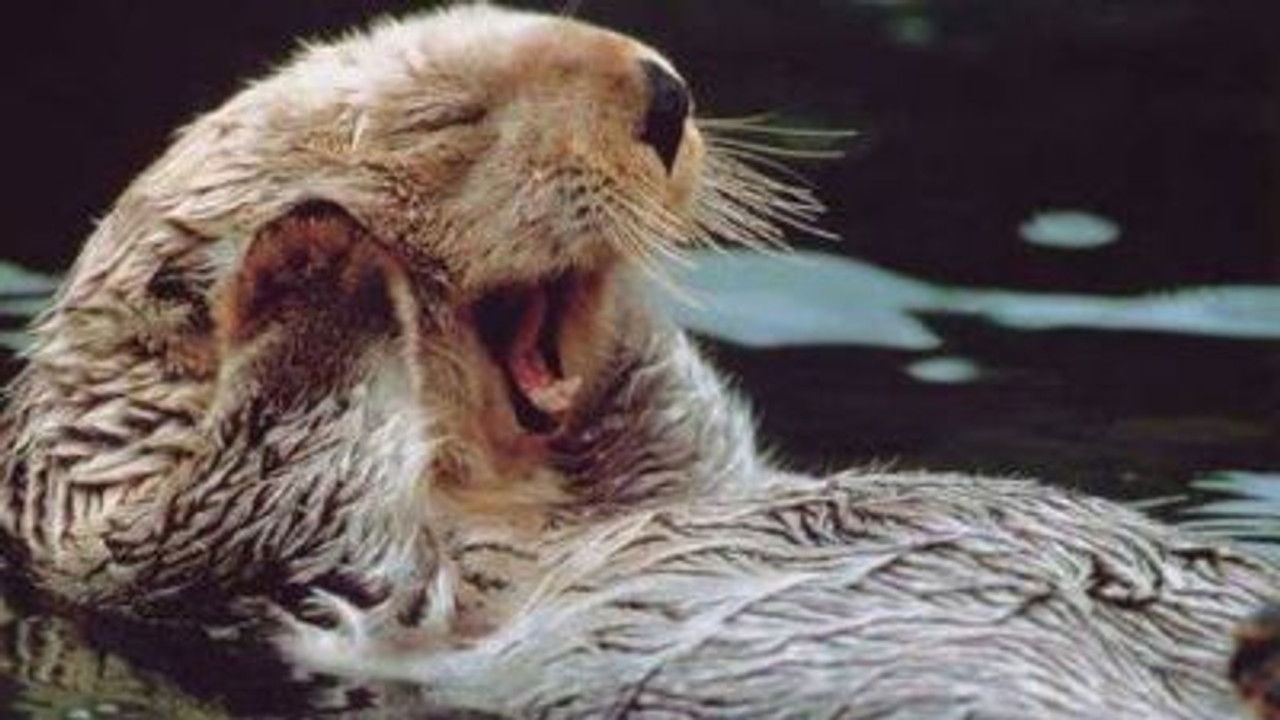

Episode
Natural World: Otters in the Stream of Life
Overview
This film follows a year on the exquisite west coast of Scotland, in the intimate company of a family of otters. Guided by their mother, the otter cubs survive the wildest storms of the Scottish winter, striving to overcome many challenges on their way to independence. The west coast is warmed by the Gulf Stream which is why dolphins and sharks, whales and puffins all come here to share it with the otters. Two years in the making, this film is packed with surprises and excitement and set in the most breathtaking scenery to be found anywhere in Britain.
Details
- Series
- Natural World
- Season
- Season 19
- Episode
- Episode 1
- Air date
- 2000-10-08
Episode context
Otters in the Stream of Life is Episode 1 in Season 19 of Natural World. It aired on 2000-10-08.
Previous / Next

More episodes from this season
 Episode 3: Deadly Vipers
Predators with the largest fangs of any snake and venom containing up to 50 deadly ingredients, vipers kill more people than any other animal. But now that medical science is beginning to discover the healing power of natural poisons, could this lethal reptile turn out to be a boon for mankind?
Episode 3: Deadly Vipers
Predators with the largest fangs of any snake and venom containing up to 50 deadly ingredients, vipers kill more people than any other animal. But now that medical science is beginning to discover the healing power of natural poisons, could this lethal reptile turn out to be a boon for mankind?
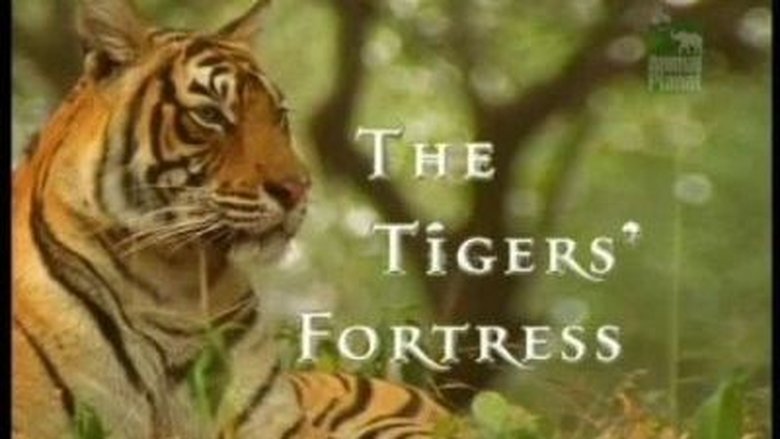 Episode 4: The Tigers' Fortress
The chequered history of a tiger conservation park in Rajasthan, northern India, from its success in the 1980s through its battles with corruption and poaching in the early 1990s to its present status as home to the highest number of tigers and cubs for 15 years
Episode 4: The Tigers' Fortress
The chequered history of a tiger conservation park in Rajasthan, northern India, from its success in the 1980s through its battles with corruption and poaching in the early 1990s to its present status as home to the highest number of tigers and cubs for 15 years
 Episode 5: Big Red Roos
A red kangaroo mother and baby belong to one of the hardiest species of animal athletes - but as this documentary shows, even they must battle to survive in the vast and inhospitable Australian Outback. The daunting challenges posed by the landscape are dramatically depicted over the course of a year in the kangaroos' lives
Episode 5: Big Red Roos
A red kangaroo mother and baby belong to one of the hardiest species of animal athletes - but as this documentary shows, even they must battle to survive in the vast and inhospitable Australian Outback. The daunting challenges posed by the landscape are dramatically depicted over the course of a year in the kangaroos' lives
 Episode 6: Killer Whales: Up Close and Personal
The intimate lives of a family of killer whales that hunt elephant seals and penguins off the storm-blasted Crozet Islands of Antarctica. French scientists study younger members of the group as they learn the complicated techniques involved in catching prey
Episode 6: Killer Whales: Up Close and Personal
The intimate lives of a family of killer whales that hunt elephant seals and penguins off the storm-blasted Crozet Islands of Antarctica. French scientists study younger members of the group as they learn the complicated techniques involved in catching prey
 Episode 7: Madagascar: Land of Lemurs
Isolated from the rest of the world for hundreds of thousands of years, Madagascar has become a treasure trove of unique wildlife. This programme follows the lives of its charismatic lemurs that are to be found nowhere else in the world.
Episode 7: Madagascar: Land of Lemurs
Isolated from the rest of the world for hundreds of thousands of years, Madagascar has become a treasure trove of unique wildlife. This programme follows the lives of its charismatic lemurs that are to be found nowhere else in the world.
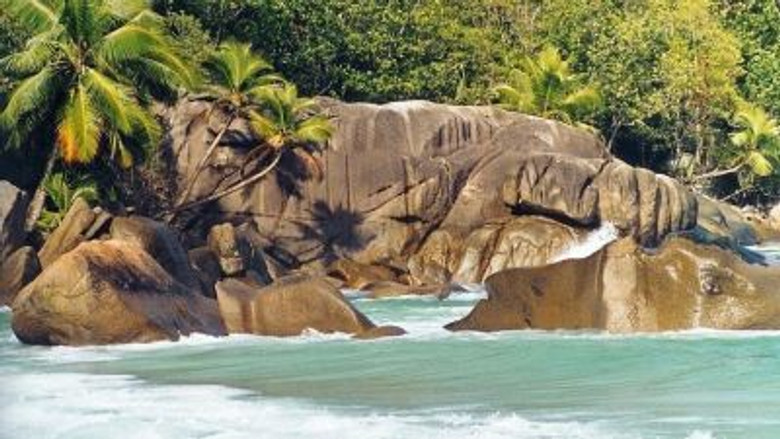 Episode 8: Seychelles: Jewels of a Lost Continent
The epic story of how giant tortoises, silver lizards, the coco de mer tree and other extraordinary species came to be stranded on the tiny islands of the Seychelles, far out in the middle of the Indian Ocean. The islands' wealth of wildlife all provide clues to the Seychelles' dramatic origins in the break-up of a primeval supercontinent.
Episode 8: Seychelles: Jewels of a Lost Continent
The epic story of how giant tortoises, silver lizards, the coco de mer tree and other extraordinary species came to be stranded on the tiny islands of the Seychelles, far out in the middle of the Indian Ocean. The islands' wealth of wildlife all provide clues to the Seychelles' dramatic origins in the break-up of a primeval supercontinent.
 Episode 9: Bower Birds: The Art of Seduction
David Attenborough travels to the remote highlands of New Guinea and the rainforests of Australia to explore the little-known world of the bower bird, a fascinating creature which flaunts its charms, steals for its own purposes and indulges in spiteful acts - all in the pursuit of the opposite sex
Episode 9: Bower Birds: The Art of Seduction
David Attenborough travels to the remote highlands of New Guinea and the rainforests of Australia to explore the little-known world of the bower bird, a fascinating creature which flaunts its charms, steals for its own purposes and indulges in spiteful acts - all in the pursuit of the opposite sex
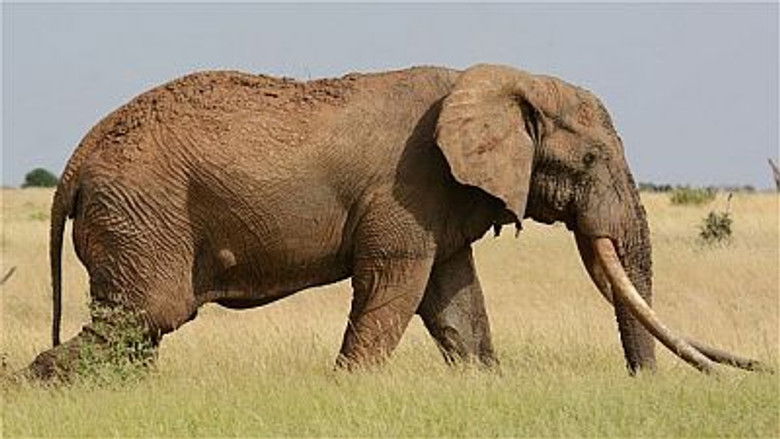 Episode 10: The Last Tusker
A colourful feature on Sri Lanka's elephant population, focusing on one of the last wild bulls. On this Buddhist island, elephants may be sacred, but they kill over people a year, and many are shot, survivors winding up in an elephant orphanage. Fifty years ago, there were ten thousand elephants and three million people on Sri Lanka; now there are two thousand elephants and 20 million people.
Episode 10: The Last Tusker
A colourful feature on Sri Lanka's elephant population, focusing on one of the last wild bulls. On this Buddhist island, elephants may be sacred, but they kill over people a year, and many are shot, survivors winding up in an elephant orphanage. Fifty years ago, there were ten thousand elephants and three million people on Sri Lanka; now there are two thousand elephants and 20 million people.
 Episode 11: Seals: Invaders of the Sea
Wildlife programme in which state-of-the-art camera techniques reveal the sophisticated underwater world of the seal - an animal capable of surviving in every ocean corner of the world.
Episode 11: Seals: Invaders of the Sea
Wildlife programme in which state-of-the-art camera techniques reveal the sophisticated underwater world of the seal - an animal capable of surviving in every ocean corner of the world.
 Episode 12: Killer Bees and Magic Trees
Austrian scientist Gerald Kastberger studies the aggressive giant honeybees of Assam, in particular their unexplained annual migration from the Himalayan foothills to specific trees scattered across the plains a hundred miles to the south - a distance which takes the bees three weeks to cover. Feared locally as much as the tiger, the bees attack en masse, and a hundred or more stings can kill.
Episode 12: Killer Bees and Magic Trees
Austrian scientist Gerald Kastberger studies the aggressive giant honeybees of Assam, in particular their unexplained annual migration from the Himalayan foothills to specific trees scattered across the plains a hundred miles to the south - a distance which takes the bees three weeks to cover. Feared locally as much as the tiger, the bees attack en masse, and a hundred or more stings can kill.