
Episode
Nature: Natural Born Hustlers: The Hunger Hustle
Overview
Exploring the duplicitous ways in which animals try to secure their next meal. Singled out is the devious drongo, a South African bird. In winter, he has to rely on grubs and insects that live underground, but other animals are far better equipped to dig them up, so the drongo devises a con. He serves as lookout while vulnerable social weaver birds are on the ground digging up food. Among other segments: the orchid mantis, which attracts insects by mimicking a flower and why it is even more successful than the real thing; how killer whales use sound to manipulate the behavior of herring to their advantage; and how and why gray squirrels practice sleight of hand to protect the nuts they’ve gathered to get them through the winter.
Details
- Series
- Nature
- Season
- Season 34
- Episode
- Episode 8
- Air date
- 2016-01-20
- Runtime
- 53 min
Episode context
Natural Born Hustlers: The Hunger Hustle is Episode 8 in Season 34 of Nature. It aired on 2016-01-20. The runtime is 53 min.
Previous / Next
 Episode 7: Natural Born Hustlers: Staying Alive
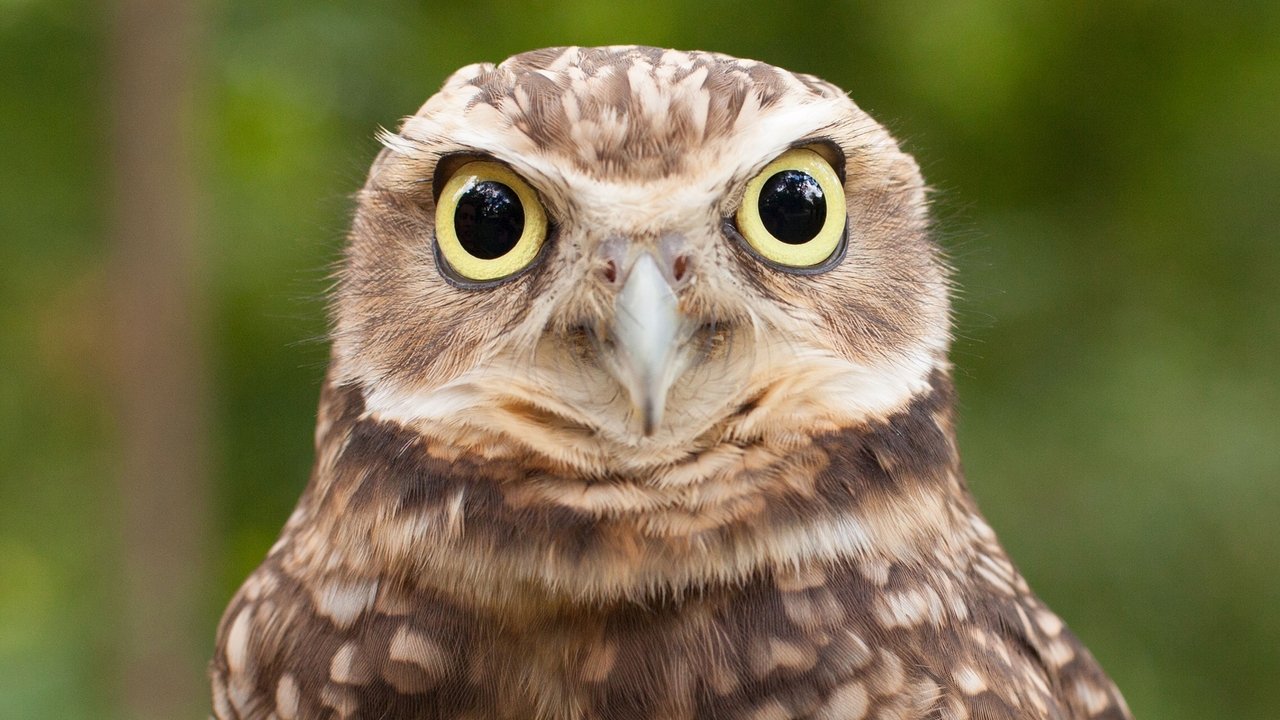
Staying Alive offers stories about unusual survival techniques. Cuttlefish, for example, elude their many predators with a kind of invisibility cloak. Other ruses revealed include: why burrowing owls, who live underground, mimic the sounds of rattlesnakes; how imitation may not just be the sincerest form of flattery, it can also save your life; and what deception the regal horned lizard employs as a last resort to keep a menacing coachwhip snake at bay.
Episode 7: Natural Born Hustlers: Staying Alive
Staying Alive offers stories about unusual survival techniques. Cuttlefish, for example, elude their many predators with a kind of invisibility cloak. Other ruses revealed include: why burrowing owls, who live underground, mimic the sounds of rattlesnakes; how imitation may not just be the sincerest form of flattery, it can also save your life; and what deception the regal horned lizard employs as a last resort to keep a menacing coachwhip snake at bay.
 Episode 9: Natural Born Hustlers: Sex, Lies & Dirty Tricks
Sex, Lies & Dirty Tricks explores sneaky mating techniques. For example, a lusty low-ranking male in a mob of red kangaroos considers possible plan A and plan B options when only the alpha male has the right to mate with the females in the group. A male marsh harrier’s solution to avoid conflict with a dominant resident male during breeding season is to grow feathers that make him look like female. He fools the resident male, but is able to woo a real female and settle down to raise a family. The final hour also exposes the dark ways brood parasites avoid parental duties, and how their chicks go even further to get the full attention of their foster parents. It’s a tough world out there, so it’s not surprising that crafty animals turn to disguise, illusion, duplicity and mimicry to beat the odds and live another day.
Episode 9: Natural Born Hustlers: Sex, Lies & Dirty Tricks
Sex, Lies & Dirty Tricks explores sneaky mating techniques. For example, a lusty low-ranking male in a mob of red kangaroos considers possible plan A and plan B options when only the alpha male has the right to mate with the females in the group. A male marsh harrier’s solution to avoid conflict with a dominant resident male during breeding season is to grow feathers that make him look like female. He fools the resident male, but is able to woo a real female and settle down to raise a family. The final hour also exposes the dark ways brood parasites avoid parental duties, and how their chicks go even further to get the full attention of their foster parents. It’s a tough world out there, so it’s not surprising that crafty animals turn to disguise, illusion, duplicity and mimicry to beat the odds and live another day.
More episodes from this season
 Episode 6: Pets: Wild At Heart: Secretive Creatures
Moving x-rays, ultraviolet light and doggycams show how pets experience their world through hidden channels of communication.
Episode 6: Pets: Wild At Heart: Secretive Creatures
Moving x-rays, ultraviolet light and doggycams show how pets experience their world through hidden channels of communication.
 Episode 10: Moose: Life of a Twig Eater
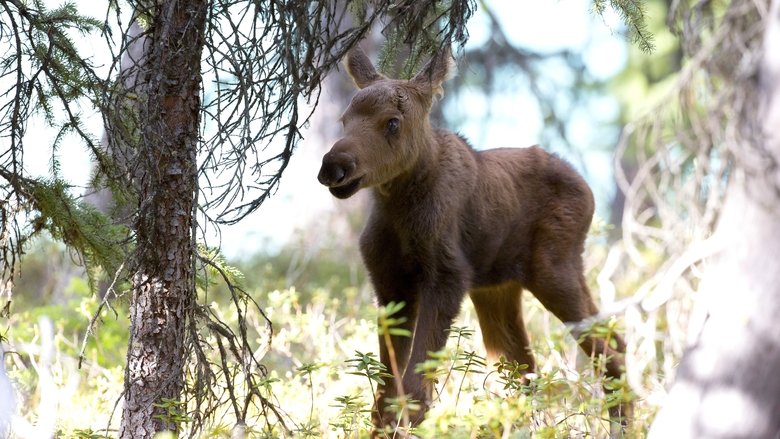
Exploring the world of moose in the Canadian Rockies, focusing on a calf's first year of life.
Episode 10: Moose: Life of a Twig Eater
Exploring the world of moose in the Canadian Rockies, focusing on a calf's first year of life.
 Episode 5: Pets: Wild At Heart: Playful Creatures
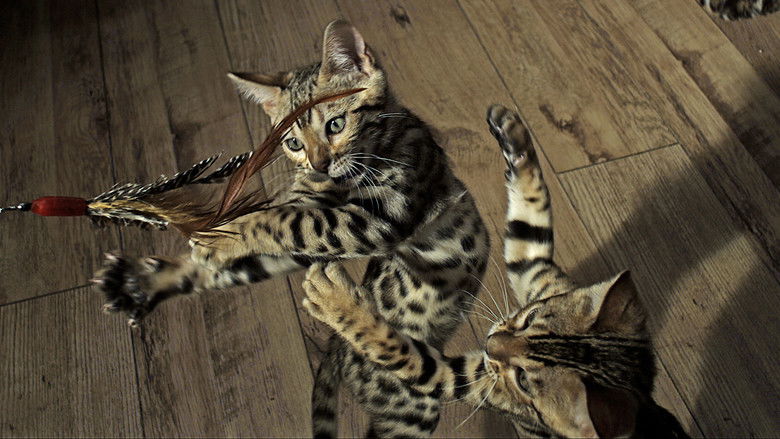
Mini-cameras, moving x-rays and night vision cameras capture the wild behavior of parakeets, hamsters, cats, rabbits and Peruvian dogs.
Episode 5: Pets: Wild At Heart: Playful Creatures
Mini-cameras, moving x-rays and night vision cameras capture the wild behavior of parakeets, hamsters, cats, rabbits and Peruvian dogs.
 Episode 11: Raising the Dinosaur Giant
Paleontologists bring the largest dinosaur ever discovered to virtual life.
Episode 11: Raising the Dinosaur Giant
Paleontologists bring the largest dinosaur ever discovered to virtual life.
 Episode 4: Soul of the Elephant
Wildlife filmmakers Dereck and Beverly Joubert take an intimate look at one of the world’s most intelligent and sensitive animals.
Episode 4: Soul of the Elephant
Wildlife filmmakers Dereck and Beverly Joubert take an intimate look at one of the world’s most intelligent and sensitive animals.
 Episode 12: Snow Chick
The incredible journey of one vulnerable and charismatic Emperor penguin chick.
Episode 12: Snow Chick
The incredible journey of one vulnerable and charismatic Emperor penguin chick.
 Episode 3: Big Birds Can't Fly
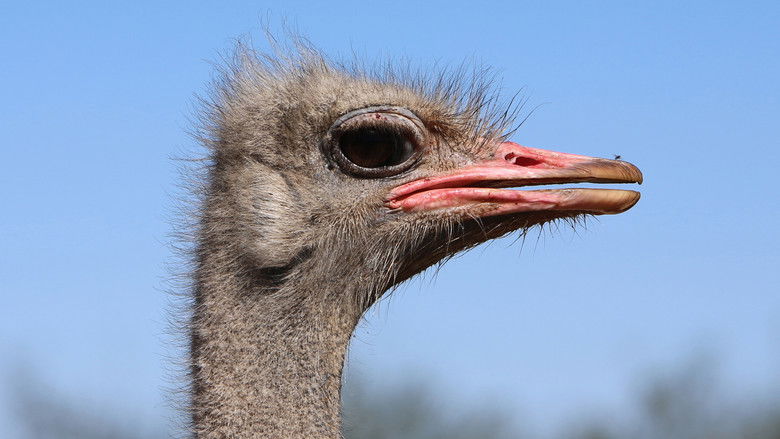
It may seem strange that among the more than 10,000 bird species in the world today is a group that literally cannot fly or sing, and whose wings are more fluff than feather. These are the ratites: the ostrich, emu, rhea, kiwi and cassowary. How and why these birds abandoned flight has puzzled scientists since Darwin’s time, but DNA and dedicated research are helping to solve these mysteries.
Episode 3: Big Birds Can't Fly
It may seem strange that among the more than 10,000 bird species in the world today is a group that literally cannot fly or sing, and whose wings are more fluff than feather. These are the ratites: the ostrich, emu, rhea, kiwi and cassowary. How and why these birds abandoned flight has puzzled scientists since Darwin’s time, but DNA and dedicated research are helping to solve these mysteries.
 Episode 13: Animal Reunions
Reunions between wild animals and their caregivers reveal whether interspecies bonds can stand the test of time.
Episode 13: Animal Reunions
Reunions between wild animals and their caregivers reveal whether interspecies bonds can stand the test of time.
 Episode 2: Nature’s Miracle Orphans: Wild Lessons
Growing up in the wild is hard enough on young animals when they have parents to rely on for protection and guidance, but what happens when they lose their parents? How do they survive? Over the past few years, great strides have been made in understanding how to rescue and rehabilitate orphaned wildlife.
Episode 2: Nature’s Miracle Orphans: Wild Lessons
Growing up in the wild is hard enough on young animals when they have parents to rely on for protection and guidance, but what happens when they lose their parents? How do they survive? Over the past few years, great strides have been made in understanding how to rescue and rehabilitate orphaned wildlife.
 Episode 14: India's Wandering Lions
As India’s population booms, her legendary wildlife has been squeezed almost out of existence. But the commitment of the Indian people to preserve their wildlife is surprising – leading even to bringing back what has been lost. Against a backdrop of teak forest, farmland and villages, this film explores the extraordinary story of Asia’s last lions and their recovery from near extinction. From a mere 20 individuals a century ago, they now number over 400. But the lions have outgrown their sanctuary and spilled out into the surrounding countryside and villages. Yet here a unique relationship has developed between lions and people, revealing a story not of continual conflict as we might expect, but one of survival and tolerance.
Episode 14: India's Wandering Lions
As India’s population booms, her legendary wildlife has been squeezed almost out of existence. But the commitment of the Indian people to preserve their wildlife is surprising – leading even to bringing back what has been lost. Against a backdrop of teak forest, farmland and villages, this film explores the extraordinary story of Asia’s last lions and their recovery from near extinction. From a mere 20 individuals a century ago, they now number over 400. But the lions have outgrown their sanctuary and spilled out into the surrounding countryside and villages. Yet here a unique relationship has developed between lions and people, revealing a story not of continual conflict as we might expect, but one of survival and tolerance.