
Episode
Nature: Saving Otter 501
Overview
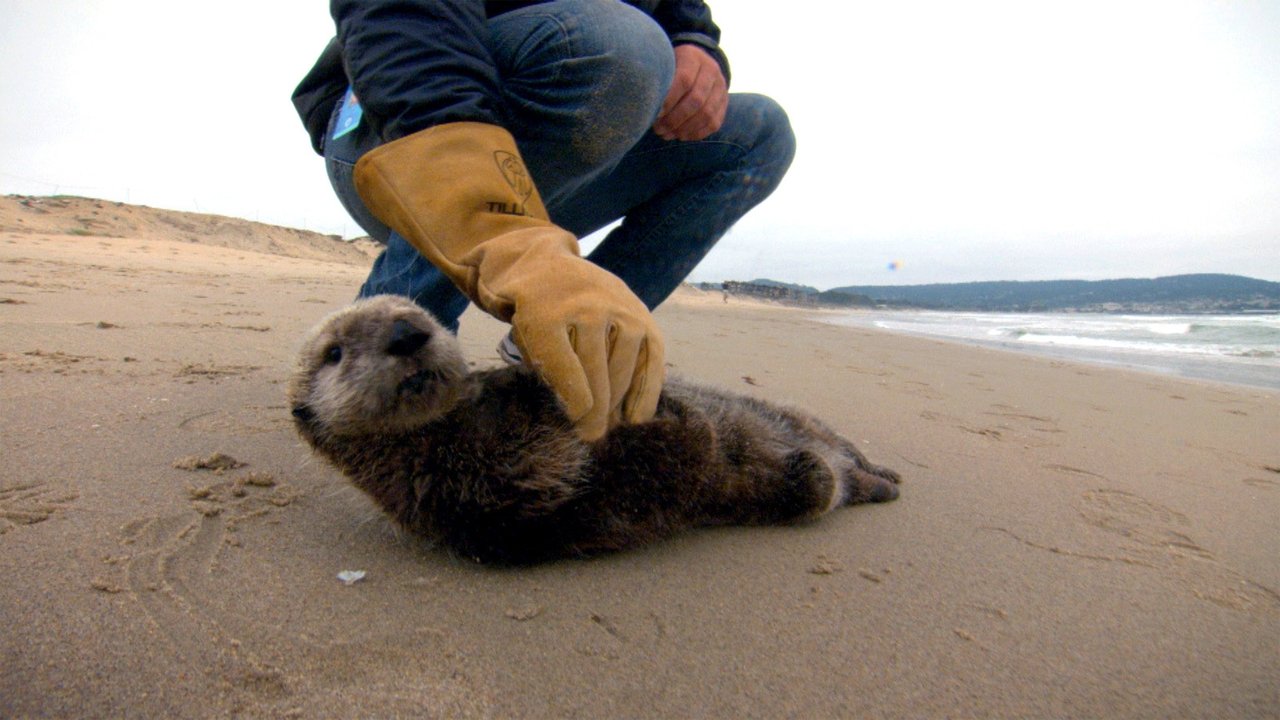
This is the story of the Monterey Bay Aquarium's 501st attempt to save an orphan otter. From her discovery as a stranded newborn pup crying on the beach through her rehabilitation in secret roof tanks atop the Aquarium, we follow as Otter 501 learns how to dive, hunt, eat, and fend for herself in the wild, where survival is a long shot at best.
Details
- Series
- Nature
- Season
- Season 32
- Episode
- Episode 7
- Air date
- 2013-10-16
- Runtime
- 53 min
Episode context
Saving Otter 501 is Episode 7 in Season 32 of Nature. It aired on 2013-10-16. The runtime is 53 min.
Previous / Next
 Episode 6: Earthflight: Flying High
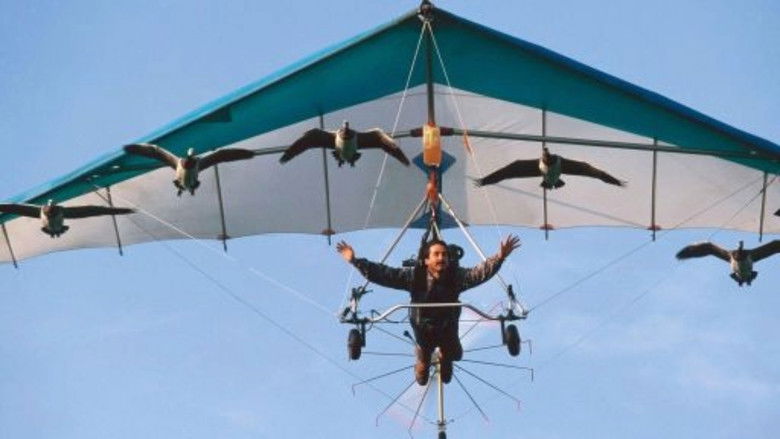
A behind-the-scenes look at how EARTHFLIGHT was made, including the extraordinary relationships between people and birds. Microlights, paragliders, drones, and camera-carrying birds and much more helped along the way.
Episode 6: Earthflight: Flying High
A behind-the-scenes look at how EARTHFLIGHT was made, including the extraordinary relationships between people and birds. Microlights, paragliders, drones, and camera-carrying birds and much more helped along the way.
 Episode 8: Love in the Animal Kingdom
Examining the ways animals attract mates. Included: the feminine wiles of a young gorilla; the search for a partner among a thousand flamingos; the "open" relationships of blue-footed boobies; and the soap opera-like entanglements of gibbons.
Episode 8: Love in the Animal Kingdom
Examining the ways animals attract mates. Included: the feminine wiles of a young gorilla; the search for a partner among a thousand flamingos; the "open" relationships of blue-footed boobies; and the soap opera-like entanglements of gibbons.
More episodes from this season
 Episode 5: Earthflight: Asia and Australia
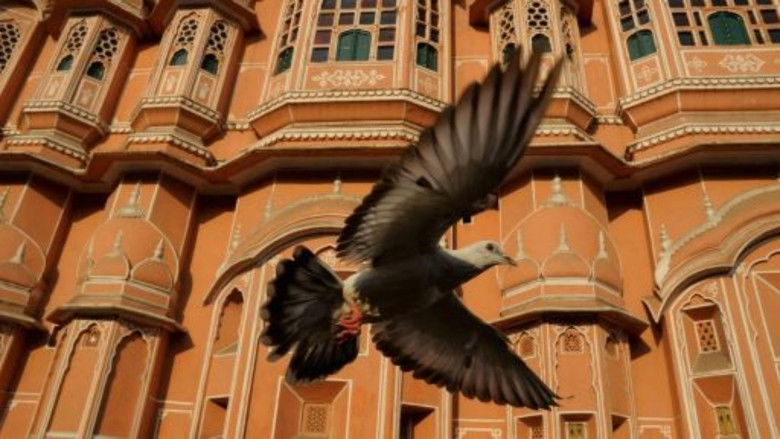
Japanese cranes dance in the snow, swallows and swifts visit the Great Wall and the Forbidden City, lorikeets, cockatoos and budgies form giant flocks in Australia, pigeons guide us through India, and geese fly miles above the Himalayas.
Episode 5: Earthflight: Asia and Australia
Japanese cranes dance in the snow, swallows and swifts visit the Great Wall and the Forbidden City, lorikeets, cockatoos and budgies form giant flocks in Australia, pigeons guide us through India, and geese fly miles above the Himalayas.
 Episode 9: Parrot Confidential
A look at the difficulties of raising parrots. The intelligent birds have a life span of 80-90 years, which means they often live longer than their owners—when their owners don't give them up after a few years, that is. They also form strong bonds with caregivers, which can result in odd behavior if a caregiver leaves for an extended period of time, as Liz and Russ Hartman learned: their bird became so upset while Russ was away on a business trip that it plucked all the feathers from its chest.
Episode 9: Parrot Confidential
A look at the difficulties of raising parrots. The intelligent birds have a life span of 80-90 years, which means they often live longer than their owners—when their owners don't give them up after a few years, that is. They also form strong bonds with caregivers, which can result in odd behavior if a caregiver leaves for an extended period of time, as Liz and Russ Hartman learned: their bird became so upset while Russ was away on a business trip that it plucked all the feathers from its chest.
 Episode 4: Earthflight: South America
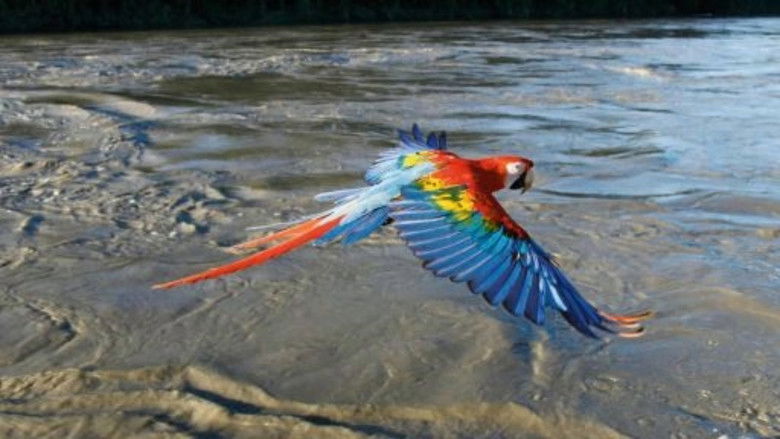
Condors and scarlet macaws in the Andes and the Amazon. Giant petrels in Patagonia shadow killer whales. Hummingbirds feed at Iguazu Falls, vultures ride the Rio de Janeiro thermals, and black vultures target turtle eggs in Costa Rica.
Episode 4: Earthflight: South America
Condors and scarlet macaws in the Andes and the Amazon. Giant petrels in Patagonia shadow killer whales. Hummingbirds feed at Iguazu Falls, vultures ride the Rio de Janeiro thermals, and black vultures target turtle eggs in Costa Rica.
 Episode 10: Meet the Coywolf
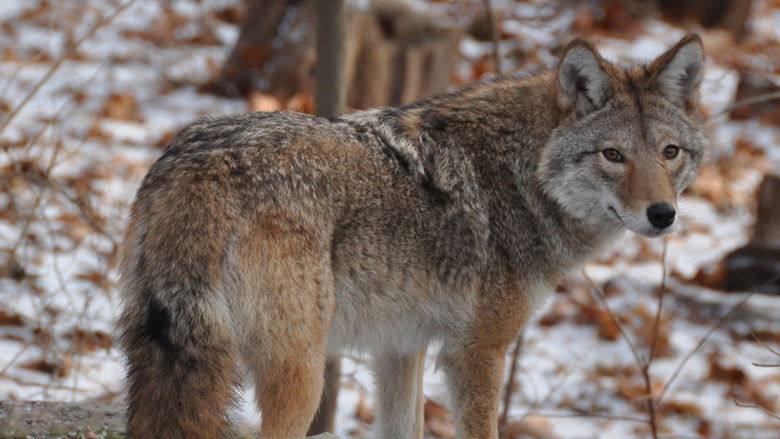
The coywolf, a mixture of western coyote and eastern wolf, is a remarkable new hybrid carnivore that is taking over territories once roamed by wolves and slipping unnoticed into our cities. Its appearance is very recent — within the last 90 years — in evolutionary terms, a blip in time. Beginning in Canada but by no means ending there, the story of how it came to be is an extraordinary tale of how quickly adaptation and evolution can occur, especially when humans interfere. Tag along as scientists study this new top predator, tracking it from the wilderness of Ontario’s Algonquin Park, through parking lots, alleys and backyards in Toronto all the way to the streets of New York City.
Episode 10: Meet the Coywolf
The coywolf, a mixture of western coyote and eastern wolf, is a remarkable new hybrid carnivore that is taking over territories once roamed by wolves and slipping unnoticed into our cities. Its appearance is very recent — within the last 90 years — in evolutionary terms, a blip in time. Beginning in Canada but by no means ending there, the story of how it came to be is an extraordinary tale of how quickly adaptation and evolution can occur, especially when humans interfere. Tag along as scientists study this new top predator, tracking it from the wilderness of Ontario’s Algonquin Park, through parking lots, alleys and backyards in Toronto all the way to the streets of New York City.
 Episode 3: Earthflight: Europe
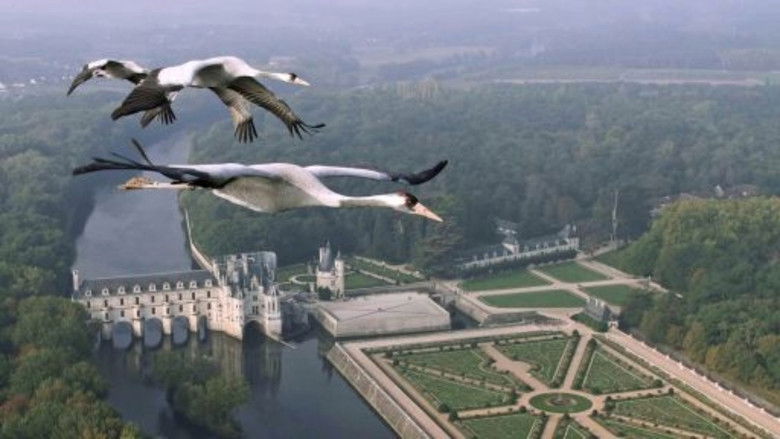
Cranes and geese rise over Venice, Dover, Edinburgh and the monkey-guarded Rock of Gibraltar. In Rome, the Loire Valley, Holland and Hungary, birds gather by the millions to breed and two by two to raise their families.
Episode 3: Earthflight: Europe
Cranes and geese rise over Venice, Dover, Edinburgh and the monkey-guarded Rock of Gibraltar. In Rome, the Loire Valley, Holland and Hungary, birds gather by the millions to breed and two by two to raise their families.
 Episode 11: The Funkiest Monkeys
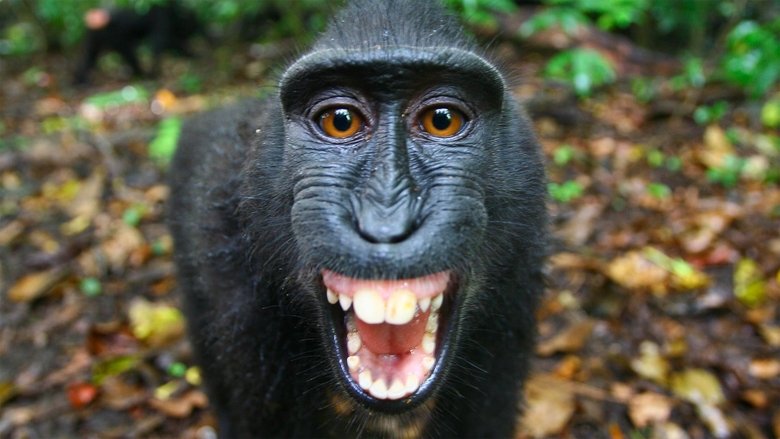
There is an unusual looking monkey called the crested black macaque that is endemic to rainforests in Indonesia, which includes the island of Sulawesi. These striking black primates, sporting punk hairstyles and copper-colored eyes, first caught the attention and won the heart of wildlife cameraman and biologist Colin Stafford-Johnson 25 years ago. But since then, their numbers have dropped by almost 90 percent, so the filmmaker returns to the island to discover why and how he could help.
Episode 11: The Funkiest Monkeys
There is an unusual looking monkey called the crested black macaque that is endemic to rainforests in Indonesia, which includes the island of Sulawesi. These striking black primates, sporting punk hairstyles and copper-colored eyes, first caught the attention and won the heart of wildlife cameraman and biologist Colin Stafford-Johnson 25 years ago. But since then, their numbers have dropped by almost 90 percent, so the filmmaker returns to the island to discover why and how he could help.
 Episode 2: Earthflight: Africa
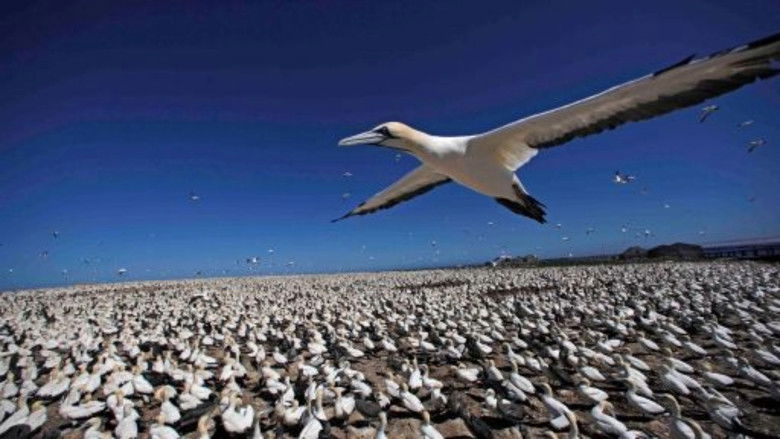
Fly and arrow-dive with cape gannets among sharks, dolphins, whales and the great sardine run. Soar with fish eagles, flamingos, kelp gulls and vultures to see the most animal-packed continent with fresh eyes.
Episode 2: Earthflight: Africa
Fly and arrow-dive with cape gannets among sharks, dolphins, whales and the great sardine run. Soar with fish eagles, flamingos, kelp gulls and vultures to see the most animal-packed continent with fresh eyes.
 Episode 12: Honey Badgers: Masters of Mayhem
“Honey badger is bad ass.” Those words and corresponding video became a YouTube sensation with 51 million hits. This relentless little creature is one of the most fearless animals in the world, renowned for its ability to confront grown lions, castrate charging buffalo, and shrug off the toxic defenses of stinging bees, scorpions, and snakes. Little is known about its behavior in the wild or why it is so aggressive. Our film will follow three badger specialists in South Africa who take on these masters of mayhem in ways that must be seen to be believed.
Episode 12: Honey Badgers: Masters of Mayhem
“Honey badger is bad ass.” Those words and corresponding video became a YouTube sensation with 51 million hits. This relentless little creature is one of the most fearless animals in the world, renowned for its ability to confront grown lions, castrate charging buffalo, and shrug off the toxic defenses of stinging bees, scorpions, and snakes. Little is known about its behavior in the wild or why it is so aggressive. Our film will follow three badger specialists in South Africa who take on these masters of mayhem in ways that must be seen to be believed.
 Episode 1: Earthflight: North America
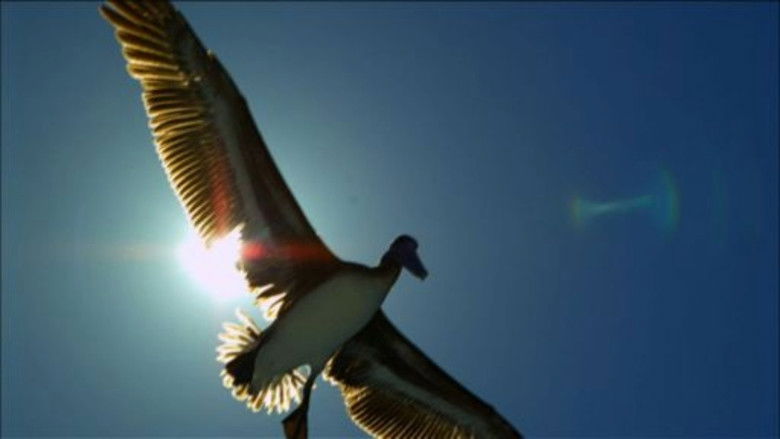
Snow geese, pelicans, and bald eagles fly over the Great Plains, the Grand Canyon, Alaska, New York City and the Golden Gate Bridge as they encounter and engage with bears, dolphins, bison, and spawning fish.
Episode 1: Earthflight: North America
Snow geese, pelicans, and bald eagles fly over the Great Plains, the Grand Canyon, Alaska, New York City and the Golden Gate Bridge as they encounter and engage with bears, dolphins, bison, and spawning fish.
 Episode 13: Ireland's Wild River
The Shannon is Ireland’s greatest geographical landmark and the longest river. It is both a barrier and highway – a silver ribbon holding back the rugged landscapes of the west from the gentler plains to the east. On its journey south, the Shannon passes through a huge palette of rural landscapes, where on little-known backwaters, Ireland’s wild animals and plants still thrive as almost nowhere else. For a year, wildlife cameraman Colin Stafford-Johnson lives on the river — camping on its banks, exploring its countless tributaries in a traditional canoe, following the river from dawn to dusk through the four seasons, on a quest to film the natural history of the Shannon as it has never been seen or heard or experienced before.
Episode 13: Ireland's Wild River
The Shannon is Ireland’s greatest geographical landmark and the longest river. It is both a barrier and highway – a silver ribbon holding back the rugged landscapes of the west from the gentler plains to the east. On its journey south, the Shannon passes through a huge palette of rural landscapes, where on little-known backwaters, Ireland’s wild animals and plants still thrive as almost nowhere else. For a year, wildlife cameraman Colin Stafford-Johnson lives on the river — camping on its banks, exploring its countless tributaries in a traditional canoe, following the river from dawn to dusk through the four seasons, on a quest to film the natural history of the Shannon as it has never been seen or heard or experienced before.