Episode
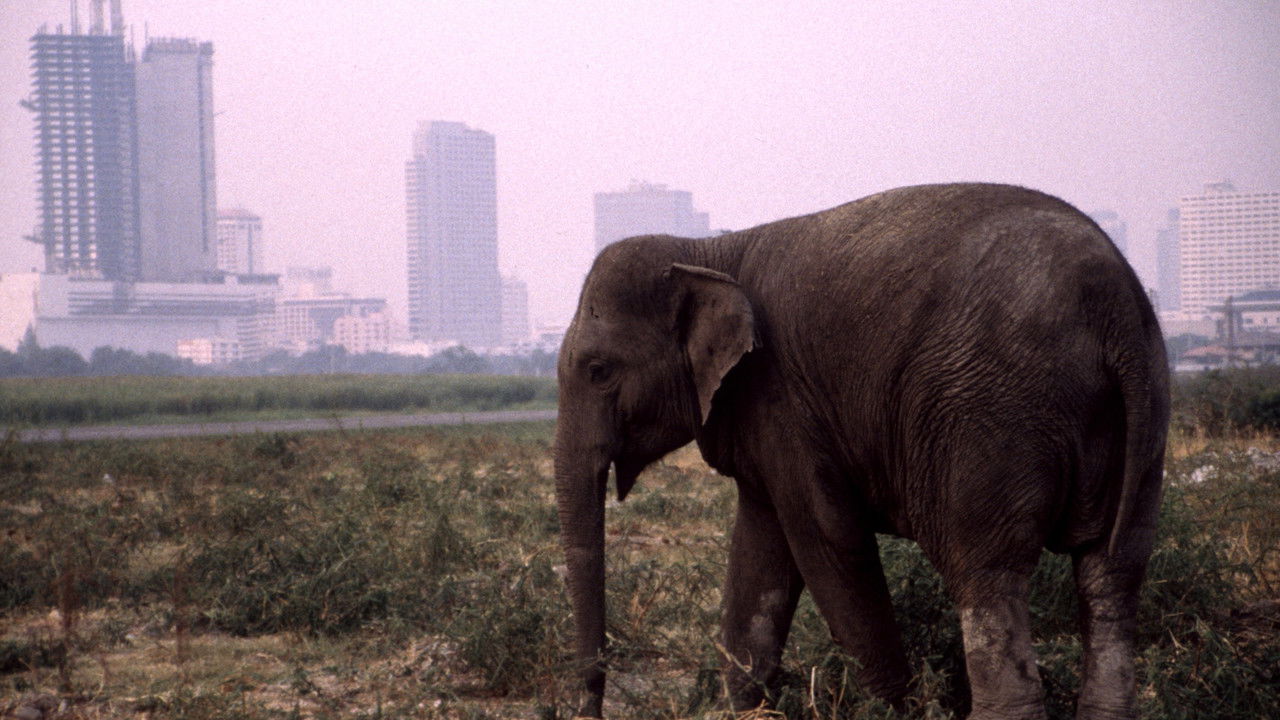
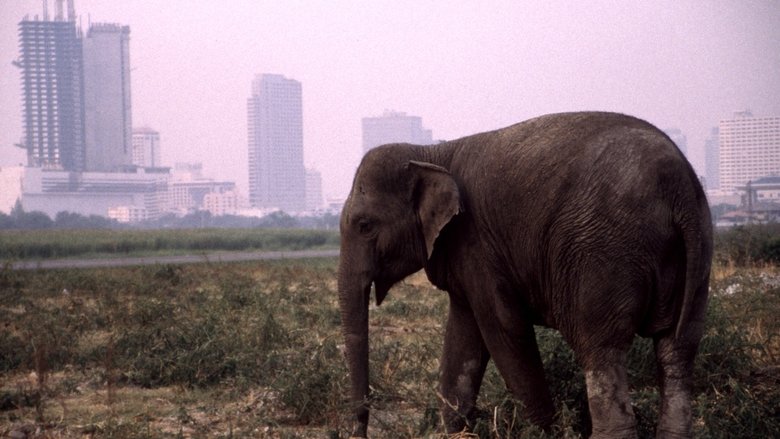
Nature: The Urban Elephant
Overview
The enigmatic subjects of NATURE: The Urban Elephant, Asian elephants are losing territory to the inevitable process of deforestation. Industrialization all over Asia has hurt the mahouts, or elephant drivers, so that the trained elephants and their riders are being driven into major cities such as Bangkok to earn a meager living receiving donations and food from curious tourists.
Details
- Series
- Nature
- Season
- Season 19
- Episode
- Episode 4
- Air date
- 2000-11-19
- Runtime
- 53 min
Episode context
The Urban Elephant is Episode 4 in Season 19 of Nature. It aired on 2000-11-19. The runtime is 53 min.
Previous / Next
 Episode 3: Extraordinary Birds
Discover amazing birds -- from hummingbirds and peregrine falcons to parrots and barn owls -- on NATURE's "Extraordinary Birds."
Episode 3: Extraordinary Birds
Discover amazing birds -- from hummingbirds and peregrine falcons to parrots and barn owls -- on NATURE's "Extraordinary Birds."
 Episode 5: Intimate Enemies: Lions and Buffalo
Life on the savannah of southern Tanzania is a study in contrast between rainy and dry seasons. When water is abundant, the wildebeest at the rivers provide food for the lion population, while the buffalo graze contentedly on the succulent grasses in the hills. The two great adversaries -- lion and buffalo -- can keep their distance.
Episode 5: Intimate Enemies: Lions and Buffalo
Life on the savannah of southern Tanzania is a study in contrast between rainy and dry seasons. When water is abundant, the wildebeest at the rivers provide food for the lion population, while the buffalo graze contentedly on the succulent grasses in the hills. The two great adversaries -- lion and buffalo -- can keep their distance.
More episodes from this season
 Episode 2: The Octopus Show
A new age of ocean exploration is lifting the veil of mystery shrouding a creature of legend -- the octopus.
Episode 2: The Octopus Show
A new age of ocean exploration is lifting the veil of mystery shrouding a creature of legend -- the octopus.
 Episode 6: Polar Bear Invasion
Each October, the remote Canadian town of Churchill in Manitoba plays host to some very unusual guests. More than a thousand hungry polar bears gather there to await the refreezing of Hudson Bay and then move out on the ice in pursuit of their traditional winter diet of seal. The world's largest land carnivore, polar bears can be very dangerous for humans as well as sea creatures -- but for tiny Churchill, they also are a tourist-dollar bonanza.
Episode 6: Polar Bear Invasion
Each October, the remote Canadian town of Churchill in Manitoba plays host to some very unusual guests. More than a thousand hungry polar bears gather there to await the refreezing of Hudson Bay and then move out on the ice in pursuit of their traditional winter diet of seal. The world's largest land carnivore, polar bears can be very dangerous for humans as well as sea creatures -- but for tiny Churchill, they also are a tourist-dollar bonanza.
 Episode 1: Wild Horses of Mongolia with Julia Roberts
Julia Roberts, one of the most famous and beautiful American actresses of today, lives among the nomads of Mongolia and discovers their relationship with the horse.
Episode 1: Wild Horses of Mongolia with Julia Roberts
Julia Roberts, one of the most famous and beautiful American actresses of today, lives among the nomads of Mongolia and discovers their relationship with the horse.
 Episode 7: Triumph of Life: The Four Billion Year War
THE FOUR BILLION YEAR WAR explains how both conflict and cooperation have helped shape the species that today populate our world. And it profiles the winners and losers in this epic evolutionary contest — from the massive dinosaurs who disappeared long ago to the humble bacteria that have survived for billions of years virtually unchanged.
Episode 7: Triumph of Life: The Four Billion Year War
THE FOUR BILLION YEAR WAR explains how both conflict and cooperation have helped shape the species that today populate our world. And it profiles the winners and losers in this epic evolutionary contest — from the massive dinosaurs who disappeared long ago to the humble bacteria that have survived for billions of years virtually unchanged.
 Episode 8: Triumph of Life: The Mating Game
Gene Swapping Variety is indeed the spice of life. That is the message of THE MATING GAME, Part 2 of NATURE’s six-part TRIUMPH OF LIFE series. It takes a passionate look at the evolution of sex, which allows a species to pass its genes along from generation to generation.
Episode 8: Triumph of Life: The Mating Game
Gene Swapping Variety is indeed the spice of life. That is the message of THE MATING GAME, Part 2 of NATURE’s six-part TRIUMPH OF LIFE series. It takes a passionate look at the evolution of sex, which allows a species to pass its genes along from generation to generation.
 Episode 9: Triumph of Life: The Eternal Arms Race
For billions of years, life on Earth has been engaged in its own ETERNAL ARMS RACE, the subject of Part 3 of NATURE’s TRIUMPH OF LIFE. As predators became better hunters, their prey also evolved better defenses.
Episode 9: Triumph of Life: The Eternal Arms Race
For billions of years, life on Earth has been engaged in its own ETERNAL ARMS RACE, the subject of Part 3 of NATURE’s TRIUMPH OF LIFE. As predators became better hunters, their prey also evolved better defenses.
 Episode 10: Triumph of Life: Winning Teams
Life may be a contest in which only the fittest individuals survive, but cooperation has also played a key role in evolution. WINNING TEAMS takes a close look at the alliances that animals have forged — with others of their own kind and very different organisms — in a bid to stay alive. In fact, teamwork occurs everywhere, from flocks of birds and herds of wildebeest to colonies of ants and termites.
Episode 10: Triumph of Life: Winning Teams
Life may be a contest in which only the fittest individuals survive, but cooperation has also played a key role in evolution. WINNING TEAMS takes a close look at the alliances that animals have forged — with others of their own kind and very different organisms — in a bid to stay alive. In fact, teamwork occurs everywhere, from flocks of birds and herds of wildebeest to colonies of ants and termites.
 Episode 11: Triumph of Life: Brain Power
Hearts, eyes, flippers and wings — evolution has forged many remarkable body structures. But none is more amazing than the brain, that bundle of nerve cells that allows us to sense our surroundings, sort out information, and make decisions. Indeed, the great importance of BRAIN POWER to evolution is the subject of this week’s installment of NATURE’s TRIUMPH OF LIFE series.
Episode 11: Triumph of Life: Brain Power
Hearts, eyes, flippers and wings — evolution has forged many remarkable body structures. But none is more amazing than the brain, that bundle of nerve cells that allows us to sense our surroundings, sort out information, and make decisions. Indeed, the great importance of BRAIN POWER to evolution is the subject of this week’s installment of NATURE’s TRIUMPH OF LIFE series.
 Episode 12: Triumph of Life: The Survivors
This sixth installment focuses on the mass extinctions that have occurred over time. Though attention is paid to the factors that probably led to the demise of the dinosaurs, far more time is devoted to examining a wide variety of land and sea creatures that are continuing to fight off extinction. Climate changes, the birth of more highly evolved life forms, and changes in ocean currents are just a few of the factors that can play a major role in determining which species will prevail. Scientists and historians share their thoughts about which of today's species are most likely to remain triumphant over the coming millennia.
Episode 12: Triumph of Life: The Survivors
This sixth installment focuses on the mass extinctions that have occurred over time. Though attention is paid to the factors that probably led to the demise of the dinosaurs, far more time is devoted to examining a wide variety of land and sea creatures that are continuing to fight off extinction. Climate changes, the birth of more highly evolved life forms, and changes in ocean currents are just a few of the factors that can play a major role in determining which species will prevail. Scientists and historians share their thoughts about which of today's species are most likely to remain triumphant over the coming millennia.
 Episode 13: Baby Tales
Who can resist the magnetic allure of a baby? The presence of little ones of any species invariably generates instant attention and concern from onlookers. In fact, it seems that both humans and animals are hard-wired to find youngsters adorable. The practical and essential reasons why the very young have an ability to play on our heart strings are explored in Baby Tales.
Episode 13: Baby Tales
Who can resist the magnetic allure of a baby? The presence of little ones of any species invariably generates instant attention and concern from onlookers. In fact, it seems that both humans and animals are hard-wired to find youngsters adorable. The practical and essential reasons why the very young have an ability to play on our heart strings are explored in Baby Tales.