Episode
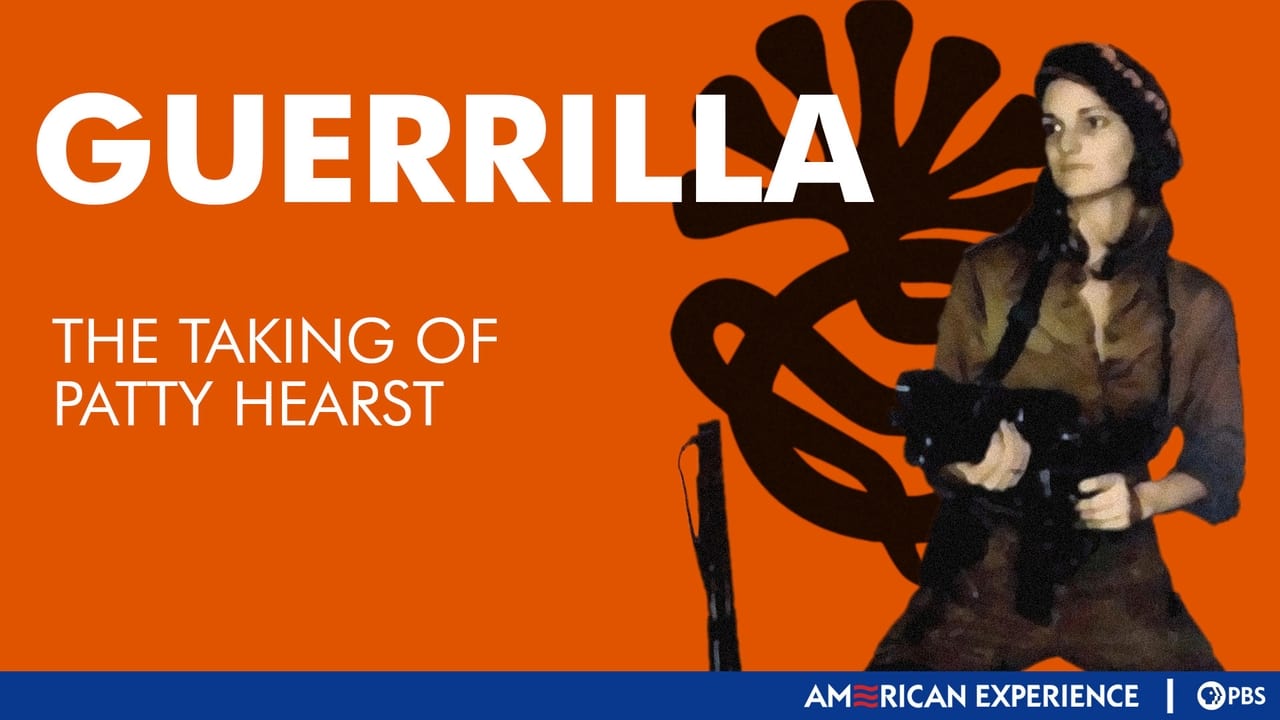
American Experience: Guerilla: The Taking of Patty Hearst
Overview
Details for American Experience: Guerilla: The Taking of Patty Hearst, powered by TMDB.
Details
- Series
- American Experience
- Season
- Season 17
- Episode
- Episode 11
- Air date
- 2005-05-23
- Runtime
- 55 min
Episode context
Guerilla: The Taking of Patty Hearst is Episode 11 in Season 17 of American Experience. It aired on 2005-05-23. The runtime is 55 min.
Previous / Next
More episodes from this season
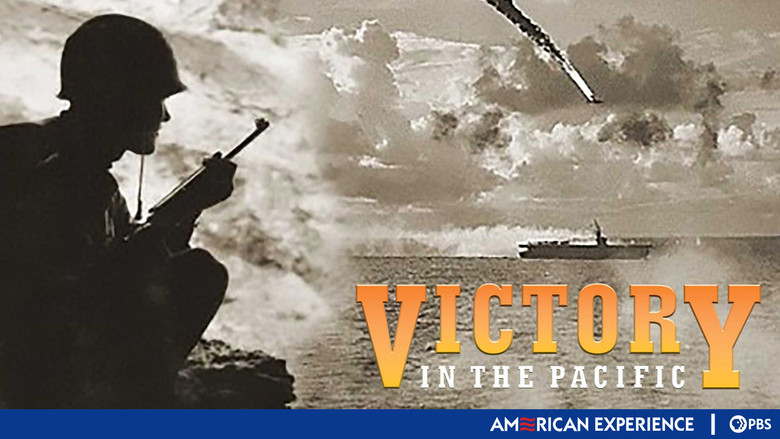 Episode 9: Victory in the Pacific
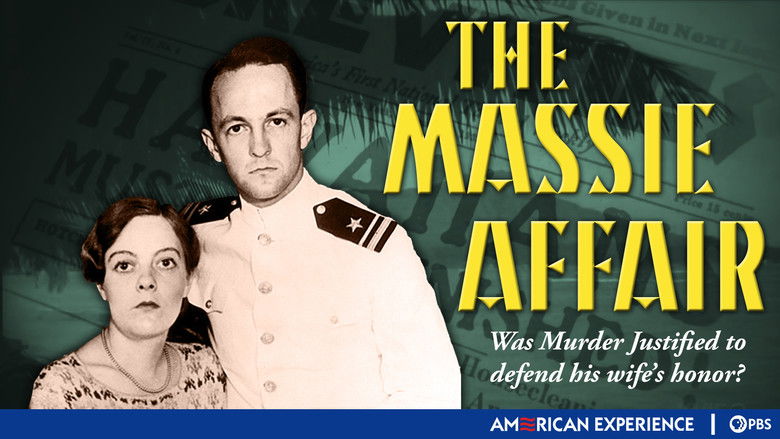 Episode 8: The Massie Affair
"The Massie Affair" chronicles a 1931 Honolulu rape case involving a young white Navy wife that became even more serious when one of the acquitted Hawaiian defendants was later kidnapped and murdered. Although marital discord and social "honor" play into the story, it's mostly about stark racial injustice that touched even the White House. It uncovers "cold, hard truths about America and the people who ruled it."
Episode 8: The Massie Affair
"The Massie Affair" chronicles a 1931 Honolulu rape case involving a young white Navy wife that became even more serious when one of the acquitted Hawaiian defendants was later kidnapped and murdered. Although marital discord and social "honor" play into the story, it's mostly about stark racial injustice that touched even the White House. It uncovers "cold, hard truths about America and the people who ruled it."
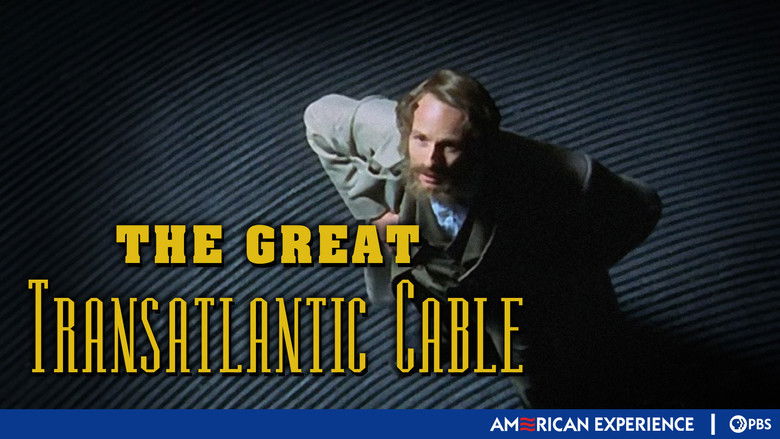 Episode 7: The Great Transatlantic Cable
Cyrus Field's struggle to lay telegraph cables across the Atlantic in the 1850s and '60s is chronicled. When Field finally succeeded, in 1866, it marked "the annihilation of space and time," says historian David Czitrom. But the 13-year effort -- recalled here in re-creations and comments from historians and engineers -- included many false starts and one spectacular failure. Still, says Czitrom, "he never let up."
Episode 7: The Great Transatlantic Cable
Cyrus Field's struggle to lay telegraph cables across the Atlantic in the 1850s and '60s is chronicled. When Field finally succeeded, in 1866, it marked "the annihilation of space and time," says historian David Czitrom. But the 13-year effort -- recalled here in re-creations and comments from historians and engineers -- included many false starts and one spectacular failure. Still, says Czitrom, "he never let up."
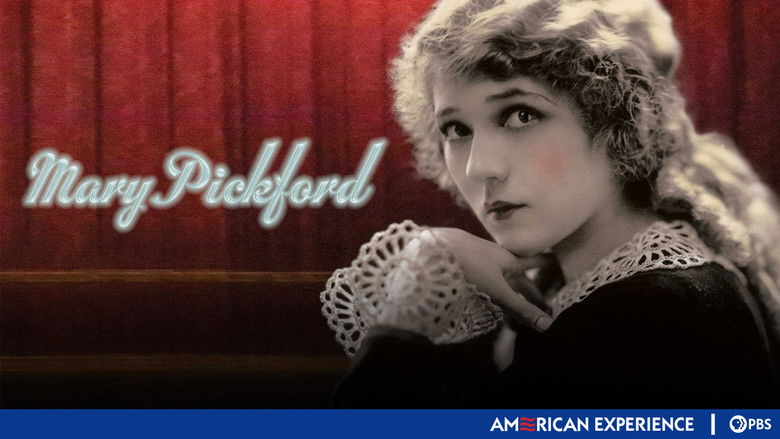 Episode 6: Mary Pickford
Profiling Mary Pickford, the silent-screen "sweetheart" who blazed the trail to Hollywood and became "America's first superstar." Pickford (1893-1979) was also an astute businesswoman: She founded United Artists with Charlie Chaplin and her husband-to-be Douglas Fairbanks. But, as filmmaker Sue Williams stresses here, there was no glorious sunset. As Pickford biographer Eileen Whitfield puts it, she was "the first has-been created by film."
Episode 6: Mary Pickford
Profiling Mary Pickford, the silent-screen "sweetheart" who blazed the trail to Hollywood and became "America's first superstar." Pickford (1893-1979) was also an astute businesswoman: She founded United Artists with Charlie Chaplin and her husband-to-be Douglas Fairbanks. But, as filmmaker Sue Williams stresses here, there was no glorious sunset. As Pickford biographer Eileen Whitfield puts it, she was "the first has-been created by film."
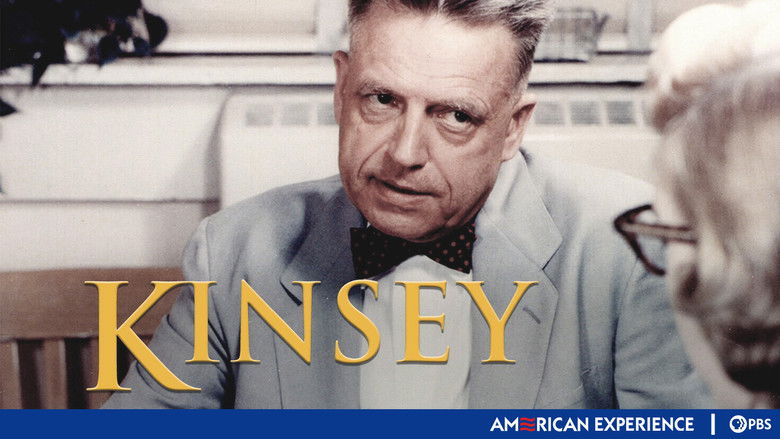 Episode 5: Kinsey
Profiling Dr. Alfred Kinsey, the Indiana University zoologist whose "revolutionary picture of American sexuality" rocked the country in the late 1940s and early '50s. Filmmakers Barak Goodman and John Maggio interview Kinsey colleagues and biographers, along with people took part in his studies, to paint a portrait of an "unyielding" proponent of sexual freedom who practiced what he preached. Says sexologist Paul Gebhard, a Kinsey assistant: "He was a rebel."
Episode 5: Kinsey
Profiling Dr. Alfred Kinsey, the Indiana University zoologist whose "revolutionary picture of American sexuality" rocked the country in the late 1940s and early '50s. Filmmakers Barak Goodman and John Maggio interview Kinsey colleagues and biographers, along with people took part in his studies, to paint a portrait of an "unyielding" proponent of sexual freedom who practiced what he preached. Says sexologist Paul Gebhard, a Kinsey assistant: "He was a rebel."
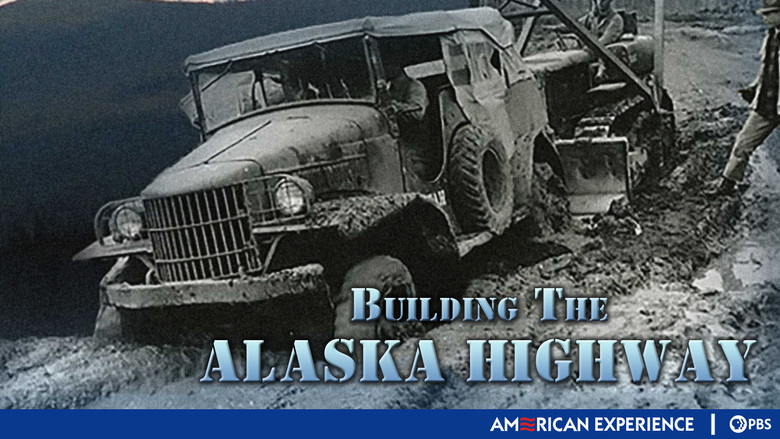 Episode 4: Building the Alaska Highway
Recalls the construction of the 1500-mile "shortcut to Tokyo" through Canada in 1942 by 11,000 U.S. troops (4,000 of them black). It wasn't the Army's greatest World War II triumph, but it was one of the first, and it gave Americans, who feared a Japanese buildup in the Aleutians, a needed morale boost. This hour is light on military and engineering detail, and packed with proud GIs recalling mud, cold and toil.
Episode 4: Building the Alaska Highway
Recalls the construction of the 1500-mile "shortcut to Tokyo" through Canada in 1942 by 11,000 U.S. troops (4,000 of them black). It wasn't the Army's greatest World War II triumph, but it was one of the first, and it gave Americans, who feared a Japanese buildup in the Aleutians, a needed morale boost. This hour is light on military and engineering detail, and packed with proud GIs recalling mud, cold and toil.
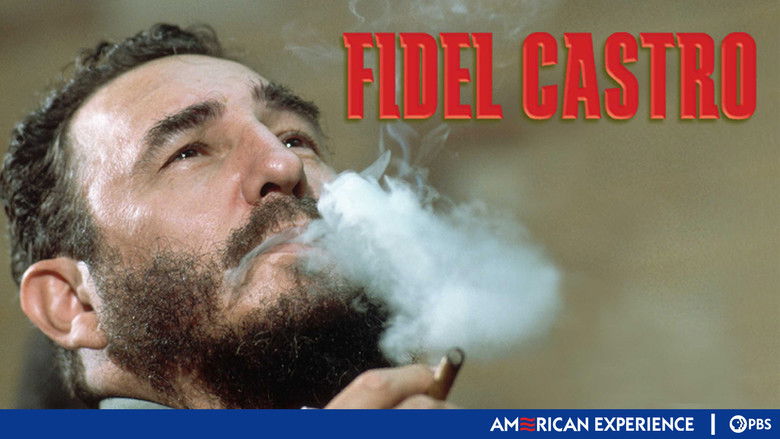 Episode 3: Fidel Castro
Fidel Castro's march through Cuba and the second half of the 20th century is chronicled by filmmaker Adriana Bosch. Here, Cuban exiles and former Castro confreres, foreign-policy experts, a former Castro brother-in-law and his daughter Alina Fernandez paint a portrait of a dictator, a social reformer -- and a survivor.
Episode 3: Fidel Castro
Fidel Castro's march through Cuba and the second half of the 20th century is chronicled by filmmaker Adriana Bosch. Here, Cuban exiles and former Castro confreres, foreign-policy experts, a former Castro brother-in-law and his daughter Alina Fernandez paint a portrait of a dictator, a social reformer -- and a survivor.
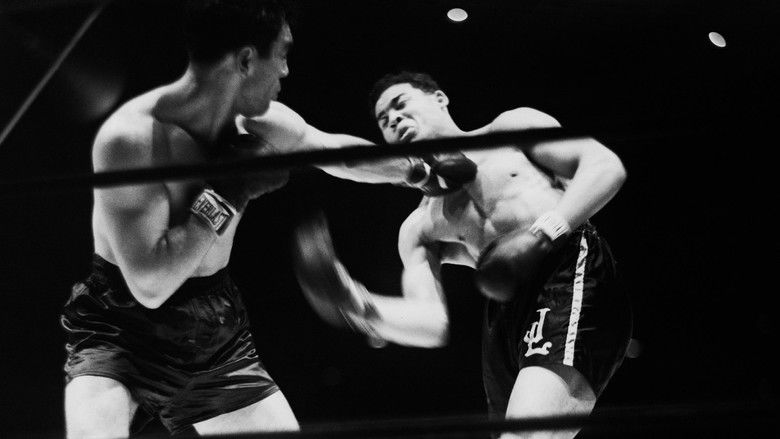 Episode 2: The Fight
"The Fight" recalls the June 1938 heavyweight title bout between Joe Louis and the German Max Schmeling, and assesses its political and social ramifications. "It was going to pit whole nations and whole ideologies against each other," says narrator Courtney B. Vance. Producer-director Barak Goodman also explores Louis's place in America's racial divide as well as the genial Schmeling's ties to Hitler.
Episode 2: The Fight
"The Fight" recalls the June 1938 heavyweight title bout between Joe Louis and the German Max Schmeling, and assesses its political and social ramifications. "It was going to pit whole nations and whole ideologies against each other," says narrator Courtney B. Vance. Producer-director Barak Goodman also explores Louis's place in America's racial divide as well as the genial Schmeling's ties to Hitler.
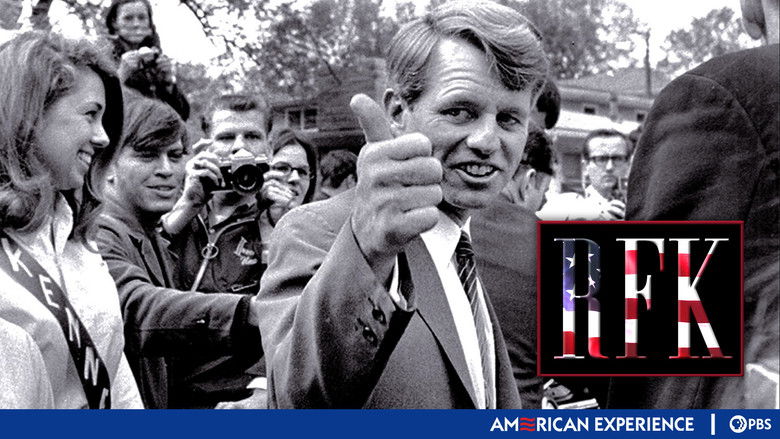 Episode 1: RFK (Part 1 & 2)
A shy, if driven man, Robert Kennedy "wasn't built for the spotlight, he was built for the wings," says journalist Jack Newfield. While John Kennedy was alive, that's where Bobby stayed -- making certain that JFK remained in the spotlight.
Episode 1: RFK (Part 1 & 2)
A shy, if driven man, Robert Kennedy "wasn't built for the spotlight, he was built for the wings," says journalist Jack Newfield. While John Kennedy was alive, that's where Bobby stayed -- making certain that JFK remained in the spotlight.