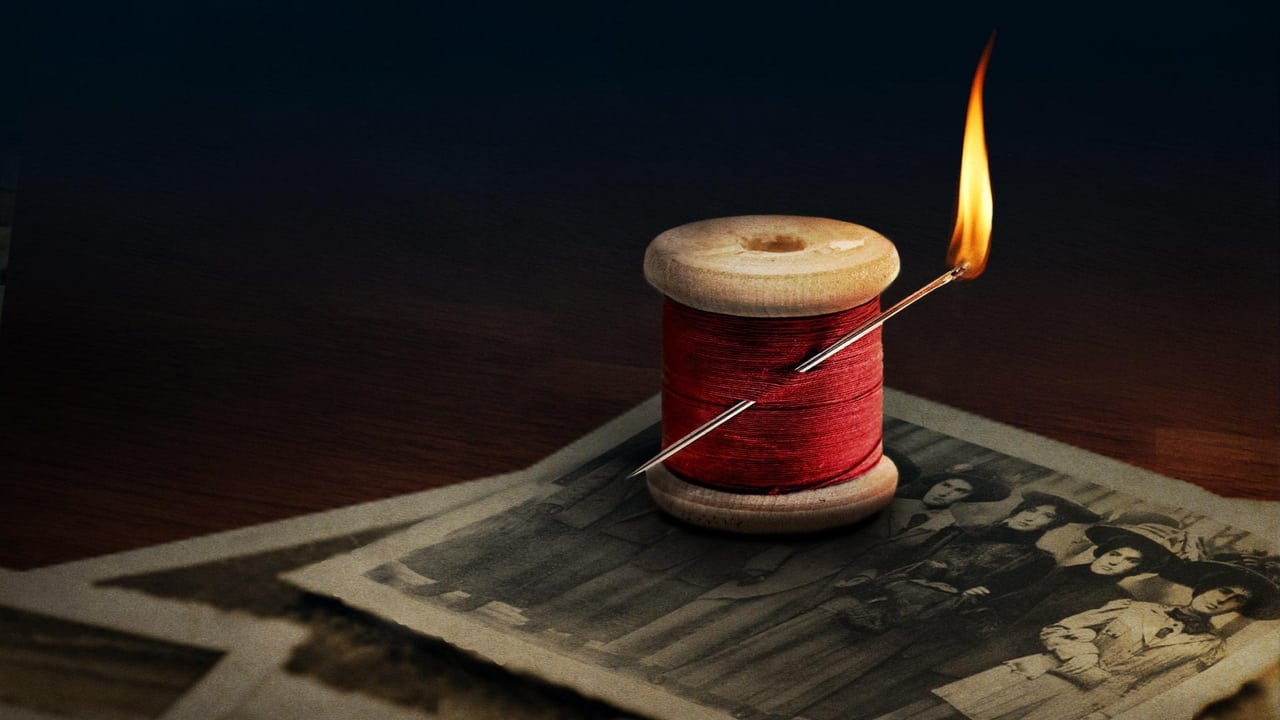

Episode
American Experience: Let Us Now Praise Famous Men: Revisited
Overview
An updated look at the Alabama tenant families that Walker Evans and James Agee documented in their 1936 Pulitzer Prize-winning book, an American classic.
Details
- Series
- American Experience
- Season
- Season 1
- Episode
- Episode 9
- Air date
- 1988-11-29
- Runtime
- 55 min
Episode context
Let Us Now Praise Famous Men: Revisited is Episode 9 in Season 1 of American Experience. It aired on 1988-11-29. The runtime is 55 min.
Previous / Next
 Episode 8: Geronimo and the Apache Resistance
The story of a tragic collision of two civilizations, each with startlingly different views of one another. In 1886, 5,000 U.S. troops mobilized to capture this one man and his band of followers, who by refusing to move onto a reservation, defied and eluded federal authorities.
Episode 10: That Rhythm, Those Blues
The evolution of rhythm and blues through the careers of singers Ruth Brown and Charles Brown, from the 1940s into the 50s, with contemporary performances by both.
Episode 8: Geronimo and the Apache Resistance
The story of a tragic collision of two civilizations, each with startlingly different views of one another. In 1886, 5,000 U.S. troops mobilized to capture this one man and his band of followers, who by refusing to move onto a reservation, defied and eluded federal authorities.
Episode 10: That Rhythm, Those Blues
The evolution of rhythm and blues through the careers of singers Ruth Brown and Charles Brown, from the 1940s into the 50s, with contemporary performances by both.
More episodes from this season
Episode 7: Kennedy vs. Wallace: A Crisis Up Close
An intimate portrait of the Kennedy brothers and their confrontation with Alabama Governor George Wallace when he defied the courts by refusing to integrate the University in 1963. The film offers unprecedented access to the Oval Office as well as to strategy meetings held by Attorney General Robert Kennedy.
Episode 11: The Radio Priest
Father Charles Coughlin, a Roman Catholic priest from Michigan, uses the new power of radio to become one of the first media stars; every Sunday he would broadcast his message railing against the nation's economic and social system to millions of listeners caught in the grip of the Depression.
Episode 6: Do You Mean There Are Still Real Cowboys?
A year in the life of Wyoming cowboys and the ranching families who have lived in Big Piney for six generations. Although very much the same as it was one hundred years ago -- tough, lonely, but still romantic -- ranching is now a threatened way of life.
Episode 12: Hearts and Hands
The design and art of quilting yields intimate clues about the lives of 19th century women, who stitched their personal and political stories into these artifacts of history.
Episode 5: The Life and Times of Rosie the Riveter
An original look through newsreels, war department films, posters and interviews with five, real-life "Rosies" about the reality of working in the defense plants during WWII, and their reactions to having to give up those jobs for returning GIs.
Episode 13: Views of a Vanishing Frontier
The journey of Prince Maximilian, German naturalist, and artist Karl Bodmer, who explored the Mississippi River area from 1832-34, meticulously documenting in paintings and journals the landscape, plants and life of Native Americans.
Episode 4: Eric Sevareid's Not So Wild A Dream
A touching memoir beginning with life in a small Minnesota town and taking us through a young man's early days as pacifist. Reporting on the rise of fascism in Europe, Sevareid, as a young CBS reporter, would change his belief. Based on Sevareid's best-selling book of the same title.
Episode 14: Eudora Welty: One Writer's Beginnings
Pulitzer Prize-winning writer Eudora Welty narrates the story of her own Southern childhood and early artistic development in Jackson, Mississippi. Based on her best-selling book of the same title.
Episode 3: Indians, Outlaws and Angie Debo
As a child in 1899, Angie Debo was taken to Oklahoma in a covered wagon. She would become her state's most controversial historian -- her career threatened when she uncovered a cache of documents which proved a widespread conspiracy to cheat Native Americans out of oil-rich lands.
Episode 15: The World That Moses Built
From the late 1920s through the 1960s, Robert Moses held almost total power over the landscape of New York. He built bridges, highways, Jones Beach, Lincoln Center and the United Nations, some of the most ambitious public works ever conceived, and some of the most controversial.